Originals vs. Prints: Which Should a First-Time Collector Buy?
It’s the question almost every new collector asks before their first serious purchase: should I buy an original, or is a print the smarter choice? It’s a good question — and the honest answer is that it depends entirely on why you’re buying. There’s no universally “right” pick, only the right pick for your budget, your goals, and the way you want to live with art.
As advisors who help collectors acquire and value work across Lisbon, London, and Istanbul, we see both ends of this decision every week. Some of our clients build entire collections around museum-grade originals. Others start with a single limited-edition print and never look back. Many do both. This guide breaks down what actually separates the two, where each holds its value, and how to decide which belongs on your wall first.
What Is an Original?
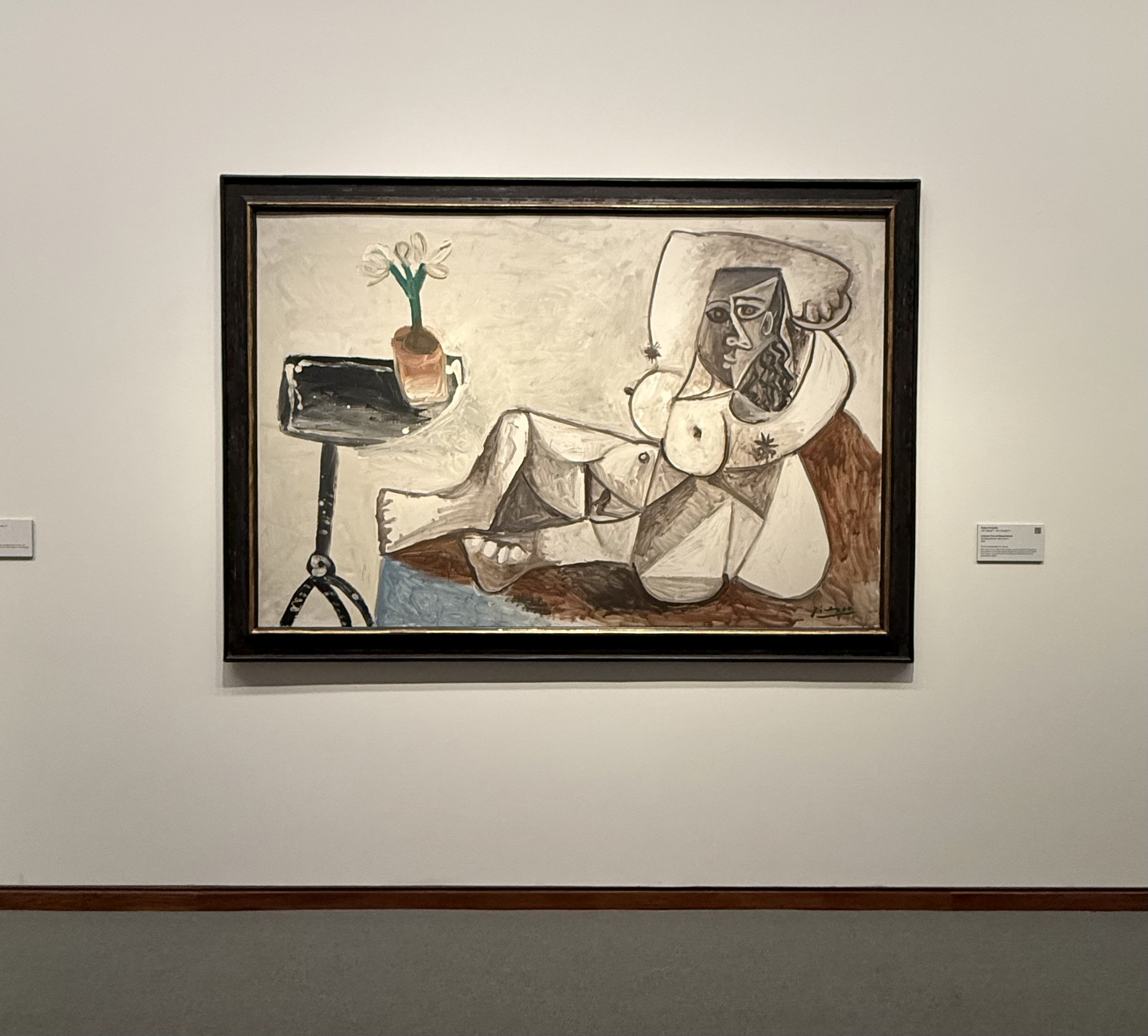
An original is a one-of-a-kind work made by the artist’s own hand — a painting, drawing, sculpture, or unique work on paper that exists only once. No two originals are ever identical, even when an artist revisits the same subject. That singularity is the whole point: when you own an original, you own the object the artist created, with its real brushwork, its texture, its slight imperfections, and the physical evidence of a human decision-making process.
That uniqueness is also what gives originals their long-term value. Because supply is fixed at exactly one, an original by an artist whose reputation grows over time can appreciate significantly. It’s a tangible asset you can insure, authenticate, and one day pass on or resell. The trade-off is price: originals carry the cost of the artist’s time, materials, and prestige, so they typically start in the hundreds for emerging artists and climb quickly from there.
What Is a Print?
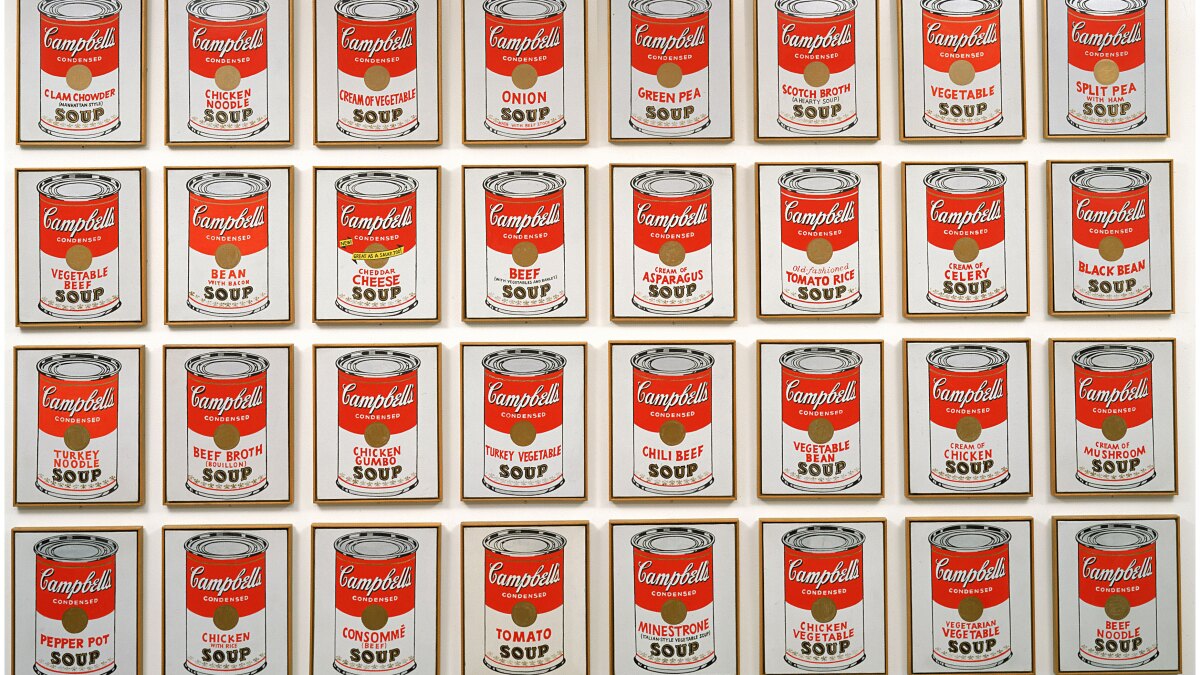
A print is a reproduction of an artwork — but that simple definition hides an important distinction that trips up most first-time buyers. Not all prints are created equal, and the difference between two types determines whether your print is a genuine collectible or simply a nice picture for the wall.
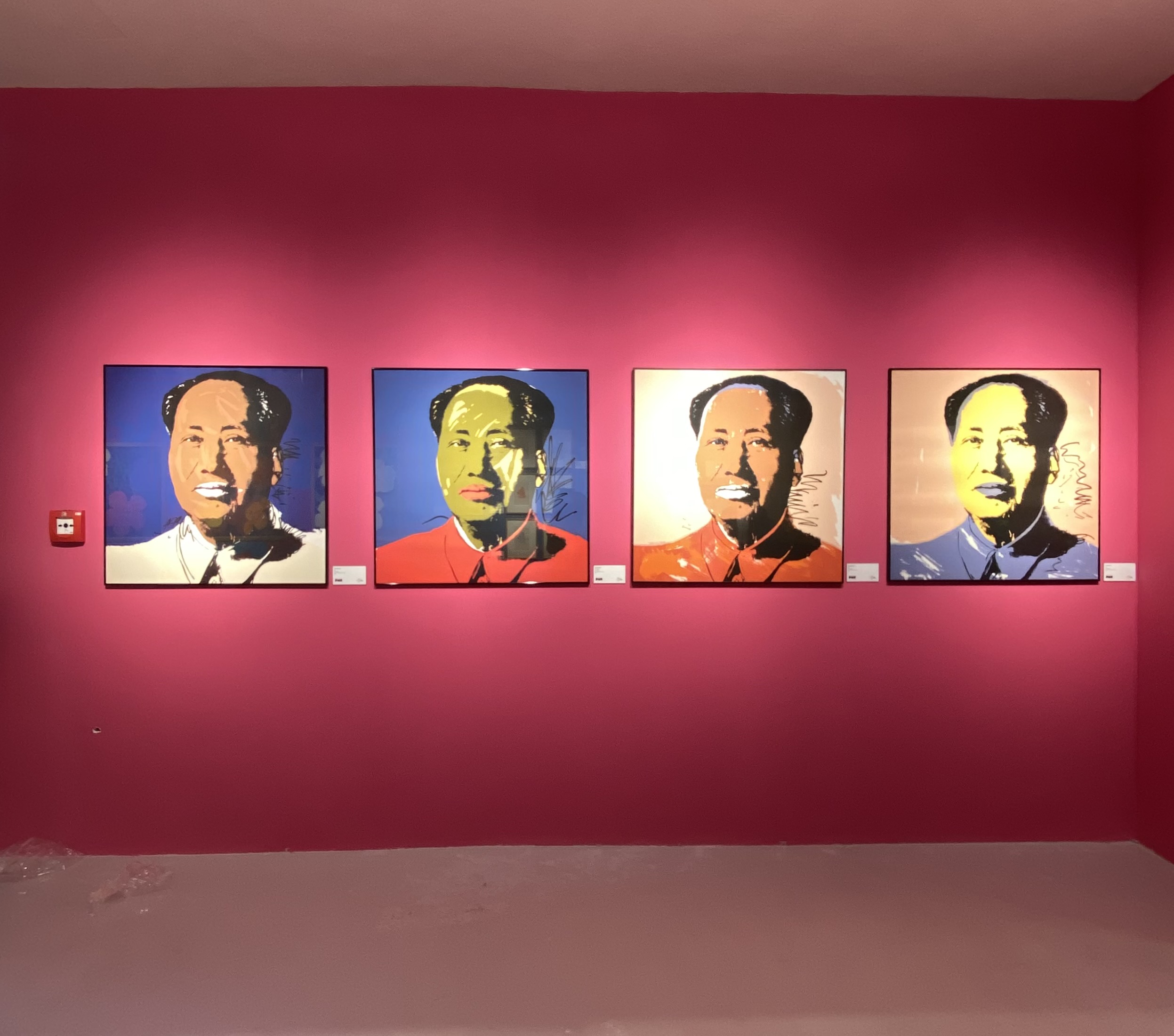
Limited-edition prints are produced in a fixed, numbered run — say, 50 or 100 copies — usually signed by the artist and printed with archival materials on quality paper. Each one is marked with its edition number (the familiar “12/50”). Because the run is capped and the artist has authorized it, limited editions retain collectible value, and the smaller the edition, the more exclusive each piece. Many serious collections include them.
Open-edition prints have no cap on how many can be produced. They’re affordable and lovely to live with, but because supply is effectively unlimited, they generally don’t appreciate and aren’t considered collectible in the investment sense. There’s nothing wrong with buying one — just buy it because you love it, not because you expect it to grow in value.
This is also why prints are the most common entry point into collecting. A limited-edition print might cost a fraction of an original by the same artist, letting you own authorized work by names you admire — including blue-chip artists — long before an original would be within reach. (Our own Jeff Koons after-works by Edition Studios are a good example of how editions open the door to artists whose originals sit far higher.)
Originals vs. Prints, Side by Side
To make the comparison concrete:
Uniqueness — An original exists once. A print exists in multiples, whether a capped edition or an open run.
Price — Originals command a premium for their singularity and the artist’s labour; prints are markedly more accessible, which is exactly why they suit a first purchase or a growing collection.
Value over time — Originals have the strongest potential to appreciate, especially as an artist’s career develops. Limited editions can hold and grow value modestly; open editions typically don’t.
Texture and presence — Originals carry physical brushwork, depth, and surface that reproductions can only approximate. For work defined by heavy texture, unusual materials, or metallic and three-dimensional effects, the original is in a different league.
Flexibility — Prints come in varied sizes and price points, making it easy to fill several rooms, support multiple artists, or refresh a gallery wall without a major outlay.
So Which Should You Buy?
The decision becomes clear once you’re honest about your goal.
If you’re decorating a space and want beautiful, affordable work that suits your rooms and budget, prints are an excellent choice — and there’s no shame in it. Plenty of seasoned collectors own prints they adore.
If you’re building a collection with an eye on value, originals should anchor it. Each original adds to a curated body of work that tells a story and carries genuine long-term potential. A common, sensible approach is to acquire one or two originals a year while filling in around them with limited-edition prints.
If you’re just discovering your taste, prints are a low-risk way to learn what you’re drawn to before committing to a larger original purchase. Think of them as a way to test your eye.
And whichever way you lean, the golden rule still applies: buy what you love. Markets shift and predictions fail, but a piece you genuinely respond to rewards you every single day you live with it. If a work also appreciates, treat that as a bonus rather than the reason you bought it.
What to Check Before You Buy Either One
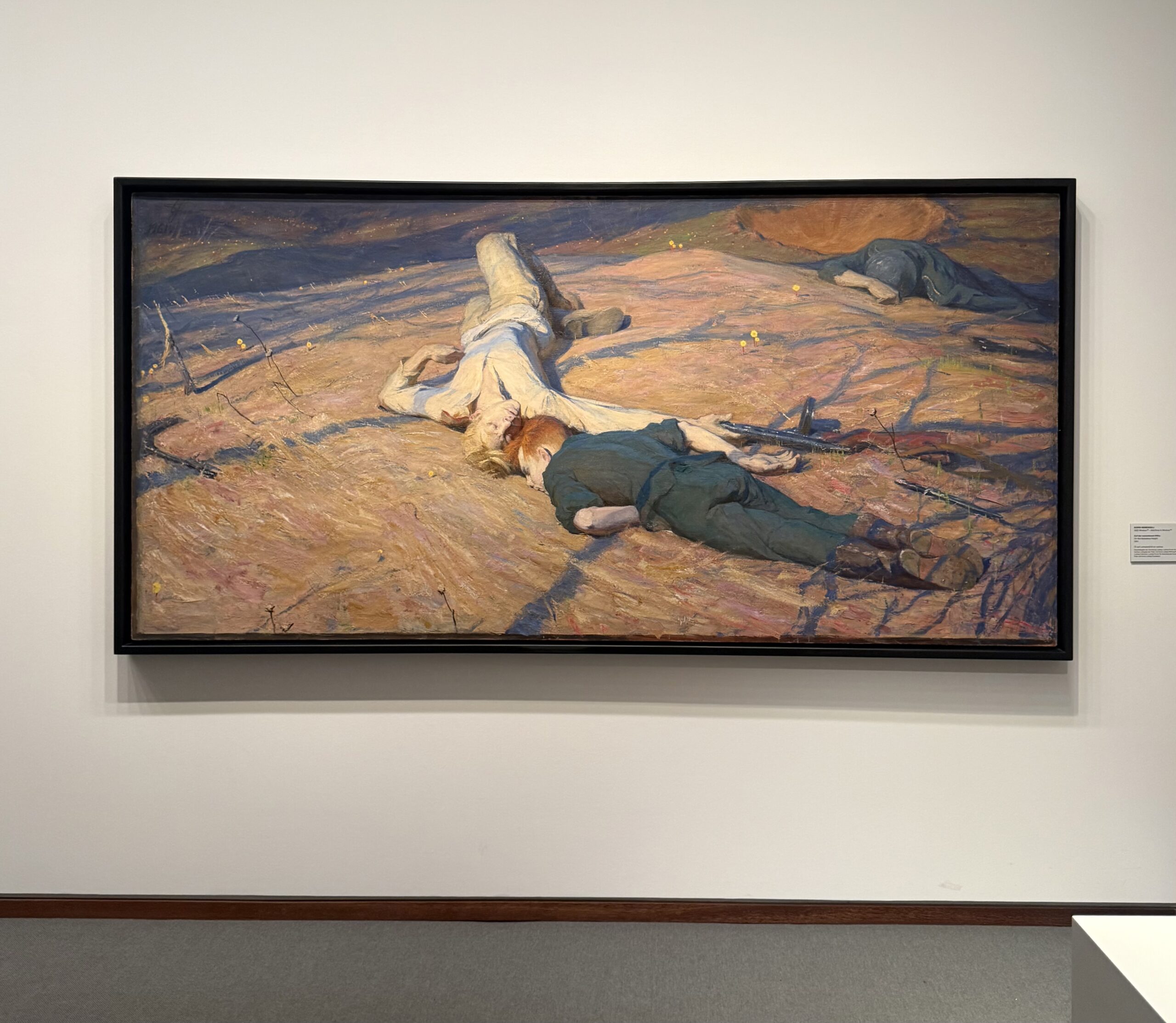
This is the part beginners skip — and it matters just as much for a print as for an original. Before you commit:
- For prints, confirm the edition. Is it limited or open? If limited, what’s the edition size, is it signed and numbered, and what materials were used? Smaller, archival, signed editions hold value; open editions generally don’t.
- For originals, ask for documentation. A reputable seller should provide a certificate of authenticity and, where relevant, provenance — the work’s ownership history. Provenance is more than paperwork; it underpins authenticity, legality, and future value.
- Check condition. Damage quietly erodes resale value, and even small flaws can matter to a future buyer. With originals especially, condition is part of the price.
- Buy from someone accountable. A gallery that stands behind its work, explains its artists, and provides proper documentation removes most of the risk that makes new collectors nervous.
If a purchase is significant — or if you’re weighing a work on the secondary market — this is exactly where a professional second opinion pays for itself. Our advisory team helps collectors weigh these decisions, and our appraisal service establishes what a piece is genuinely worth before money changes hands.
Frequently Asked Questions

Are prints a good investment?
Limited-edition prints — signed, numbered, and printed with archival materials — can hold and modestly grow in value, particularly as the artist’s reputation rises. Open-edition prints generally don’t appreciate, so buy those for love, not return.
Why are originals so much more expensive than prints?
You’re paying for singularity. An original is the only one of its kind and carries the artist’s actual labour, materials, and market standing. A print spreads the artist’s effort across multiple copies, lowering the cost of each.
Should a first-time collector start with an original or a print?
There’s no wrong answer. If budget is the main constraint or you’re still finding your taste, a limited-edition print is a smart, low-risk start. If you’re ready to anchor a collection with lasting value, begin with an original by an emerging artist.
How do I know a print is collectible and not just a poster?
Look for a capped edition size, the artist’s signature, an edition number, archival materials, and accompanying documentation. A poster has none of these; a genuine limited edition has all of them.
Can a collection include both?
Absolutely — and most do. Originals give a collection its backbone and value; prints let you broaden it affordably and support more artists. The mix is entirely a matter of taste and budget.
Start Where You Are
The originals-versus-prints question has no single answer because collecting isn’t a single pursuit. It’s decoration, passion, and investment in different measures for every person — and the right first piece is simply the one that fits your goal and genuinely moves you.