How to Start an Art Collection: A Beginner’s Guide
You don’t need a fortune or an art history degree to start an art collection, you need curiosity, a bit of patience, and a willingness to trust what actually moves you. Every collector, from the ones whose names are on museum walls to the ones who just bought their first print last week, started exactly where you are now: standing in front of a piece, unsure of the next step.
This guide walks through the practical side of how to start an art collection, how to figure out what you like, how to set a budget that makes sense, where to actually buy, and what mistakes to avoid before you make your first purchase.
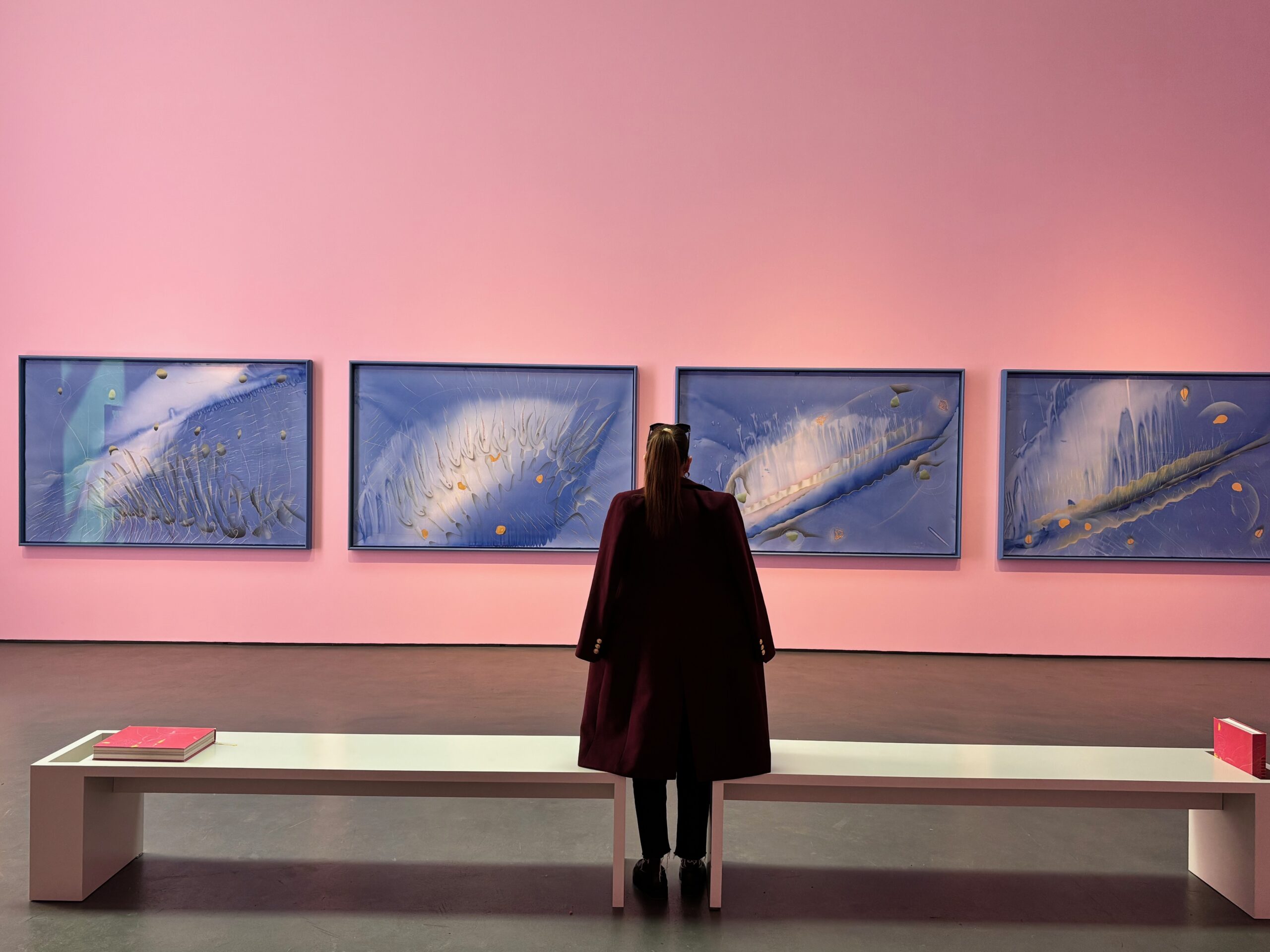
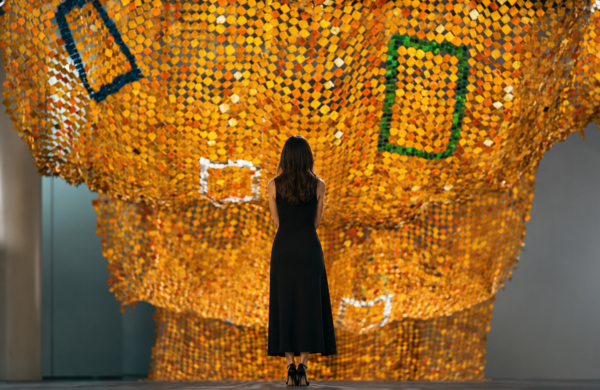
“first-time collector starting an art collection in a gallery”
Why People Start Collecting Art
Most collections begin with one of two motivations, and it’s worth being honest with yourself about which one is driving you. Some people collect for love they want to live surrounded by work that means something to them, support artists whose practice they admire, and build a visual record of their own taste over time. Others come to collecting with an investment mindset, treating art as a long-term, tangible asset that can diversify a portfolio.
Neither motivation is wrong, and the two aren’t mutually exclusive. But knowing which one matters more to you will shape almost every decision that follows your budget, the artists you research, and how much weight you give to resale value versus personal attachment. If the investment angle interests you, it’s worth reading a bit more about how art functions as an alternative investment before you commit serious money to it.
Define Your Taste Before You Buy
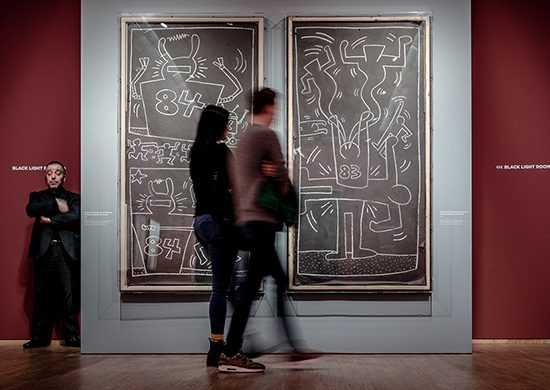
The single biggest mistake first-time collectors make is buying before they’ve looked. Spend time real time, not ten minutes scrolling Instagram in front of actual art before you spend a single euro. Visit local galleries, walk through museum shows, browse online viewing rooms, and go to an art fair if one is nearby.
Pay attention to what you keep coming back to. Is it color, or the absence of it? Figurative work, or pure abstraction? A particular medium oil, sculpture, photography, print? You’re not looking for a definitive answer yet. You’re building a private shorthand for your own eye, so that when you do stand in front of a piece you could actually buy, you’ll recognize the pull immediately.
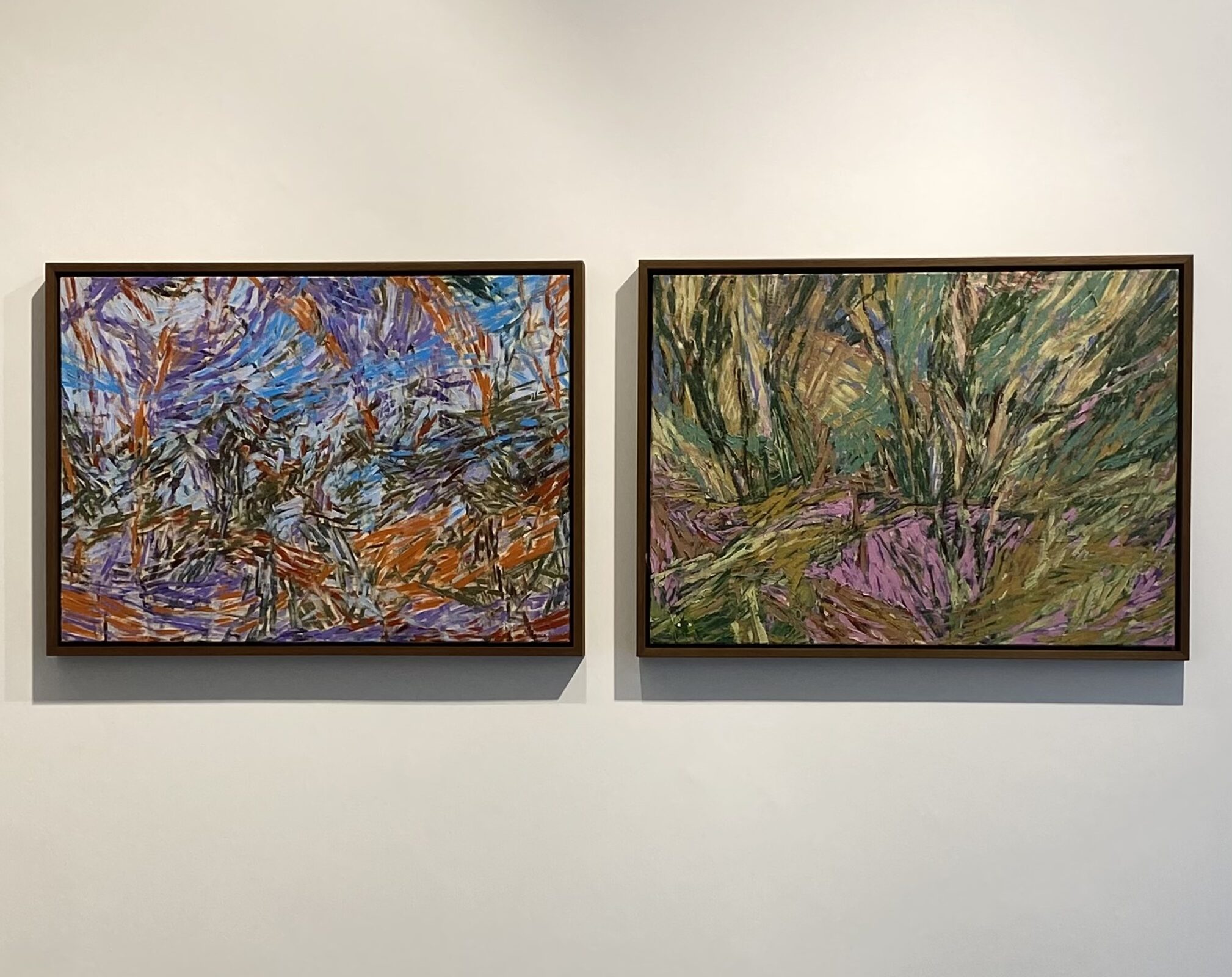
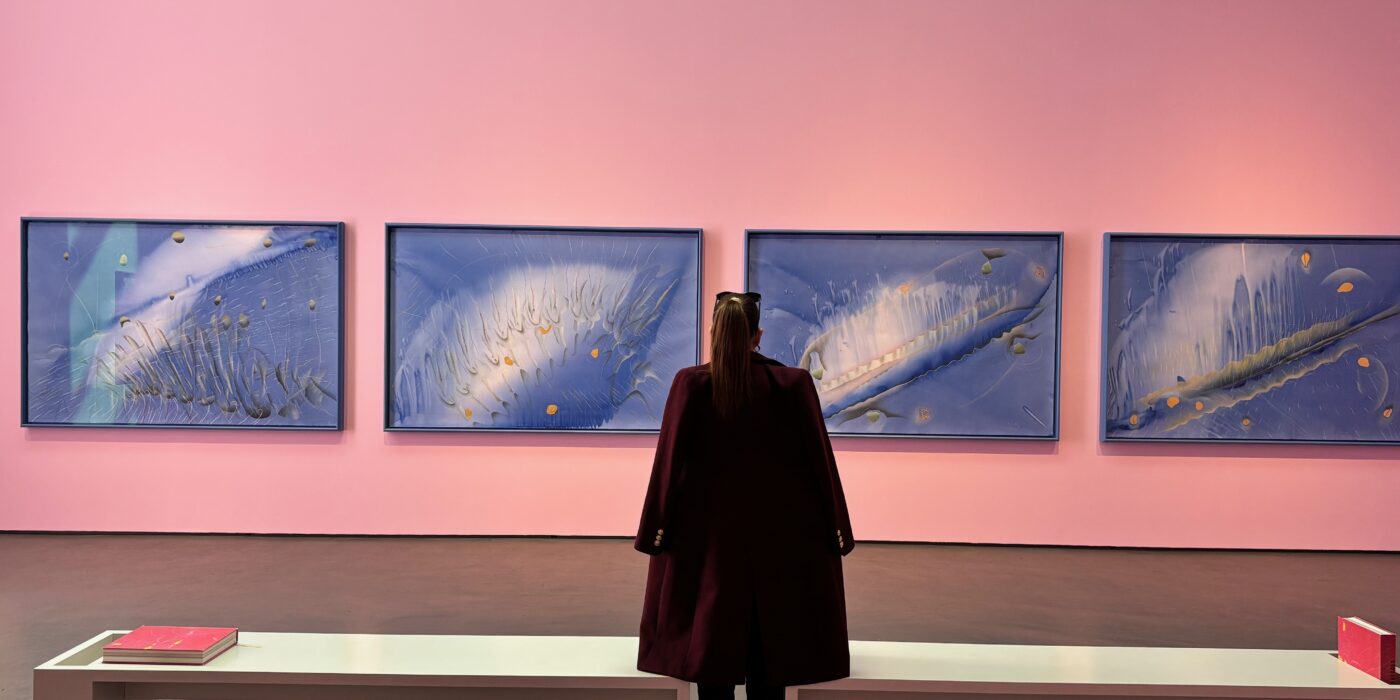
“Defining personal taste before building an art collection – Artworks by Elız Günduz”
Set a Realistic Budget for Your First Pieces
Treat your first art purchase the way you’d treat any other financial decision: decide on a number before you fall in love with something that costs three times that number. A useful approach is to set both a per-piece ceiling and a rough annual budget, rather than a single open-ended figure this keeps you from overspending on one impulsive purchase and gives you room to build a collection gradually instead of all at once.
For most beginners, the sweet spot is smaller, affordable works by emerging or mid-career artists rather than a single expensive piece by an established name. Quality of attention matters more than the size of the check at this stage. A modest but well-chosen piece you genuinely love will serve you and your collection far better than an overstretched purchase you’re already second-guessing.
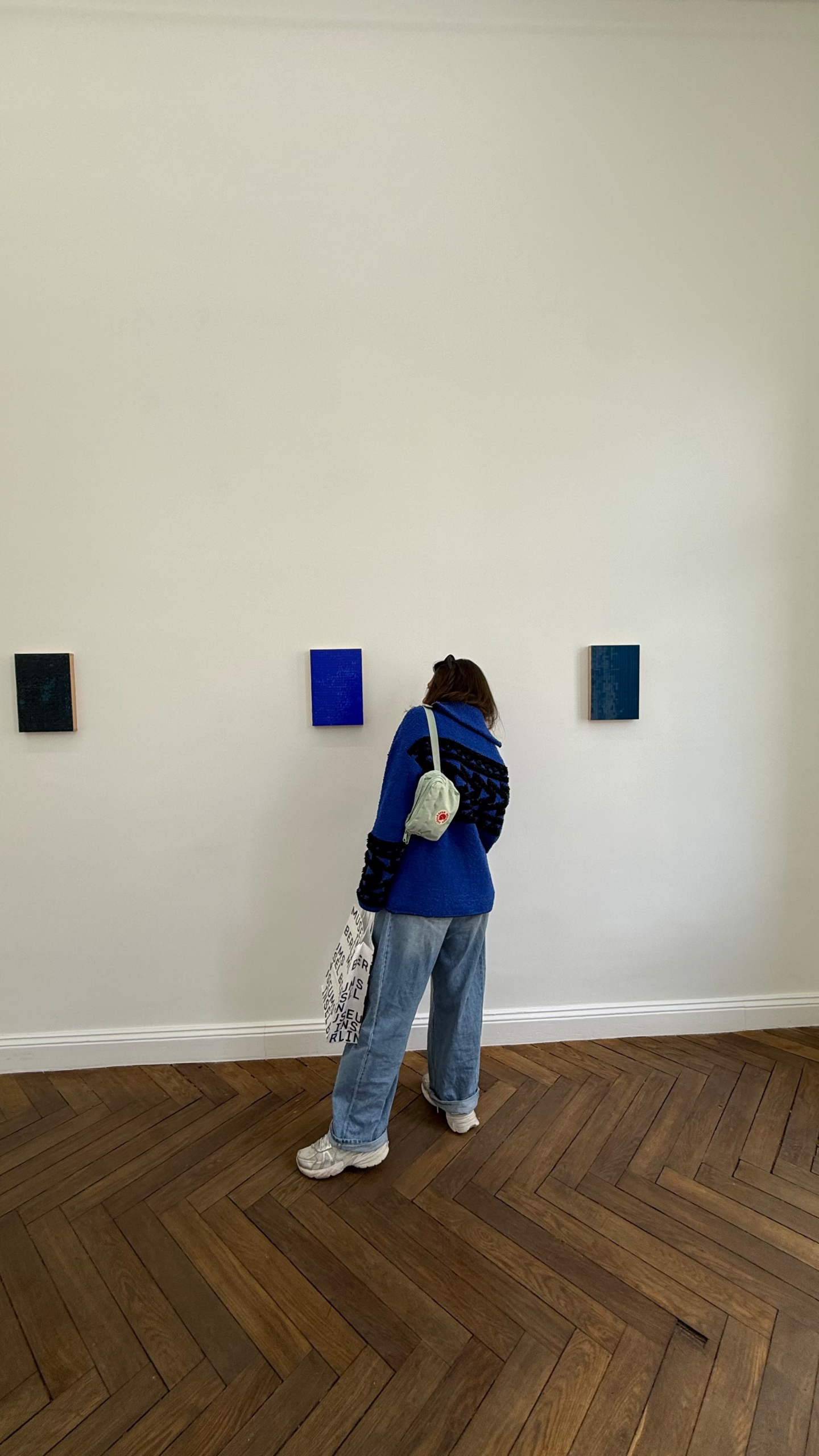
Originals vs. Limited Edition Prints: What Should You Buy First?
This is one of the first real decisions every new collector faces, and there’s no universally right answer, only what fits your budget and your goals. Originals are one-of-a-kind, which means they typically carry both a higher price and a more direct connection to the artist’s hand. Limited edition prints, by contrast, make the work of artists you admire accessible at a fraction of the cost, while still retaining value precisely because their numbers are capped.
If you’ve found an artist whose originals are out of reach for now, a signed, numbered print can be a smart and meaningful way to start collecting their work without waiting years to afford a unique piece. We’ve written a full breakdown of how to weigh the two if you want to go deeper:Originals vs. Prints: Which Should a First-Time Collector Buy?
Where to Buy Art: Galleries, Fairs, and Direct from Artists
Once you have a sense of your taste and your budget, the question becomes where to actually buy. Each channel has trade-offs worth knowing about.
Galleries offer curation, expertise, and often a relationship that continues well past your first purchase; a good gallerist will flag future pieces they think suit you specifically. Art fairs compress an enormous amount of browsing into a few days, letting you compare styles and price points side by side. Buying directly from an artist, where possible, often means a lower price and a more personal story behind the work, though it comes without the vetting a gallery provides. Online platforms have made all of this more accessible than ever, but they also make it easier to buy on impulse without ever seeing the work in person something worth being cautious about, especially for your first few purchases.
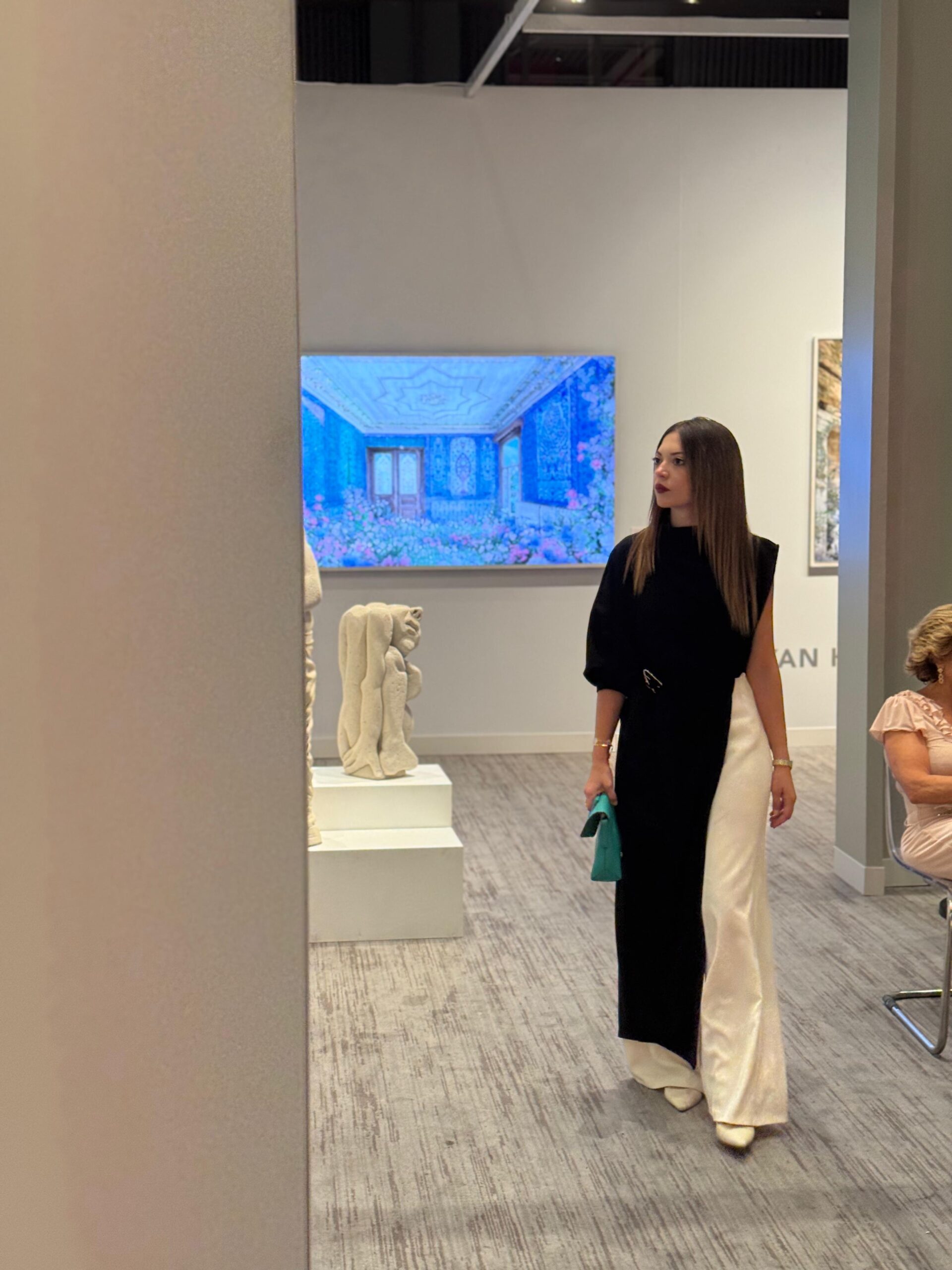
How to Research an Artist Before You Buy
Before committing to a piece, spend a little time on the artist behind it. Look at their CV: have they had solo shows, participated in group exhibitions, attended residencies, or received any critical press? None of this guarantees future value, but it does tell you whether the artist is building a sustained practice rather than a one-off moment.
It’s also worth following the artist’s recent work, not just the piece you’re considering seeing how their style has evolved gives you a much better sense of where the work, and its value, might go. That said, don’t let research replace instinct entirely. The goal is to inform your eye, not to override it.
Documentation: Why Provenance and Certificates of Authenticity Matter
From your very first purchase, start keeping records even if the piece feels too small or affordable to bother. Save the certificate of authenticity, the invoice, the artist’s name and the date of purchase, and any correspondence about the work’s history or provenance.
This habit matters for two reasons. Practically, it protects the resale value and insurability of every piece you own, since gaps in provenance are one of the most common reasons a work loses value or becomes difficult to sell later. Personally, this small archive becomes the story of your collection, a record of where your taste came from and how it changed over time.
Common Mistakes First-Time Collectors Make
A few patterns show up again and again among new collectors, and they’re easy to avoid once you know to watch for them.
- Buying to match a sofa or a room instead of buying because the work genuinely held your attention
- Chasing trends or “hot” names instead of developing an independent eye
- Skipping research on an artist’s background and exhibition history
- Failing to ask for or keep documentation at the time of purchase
- Spending the entire budget on one piece instead of building gradually
- Buying only online, sight unseen, before you’ve trained your eye in person
None of these mistakes are fatal; most collectors make at least one of them early on but knowing the list in advance will save you both money and regret.
When to Work With an Art Advisor
At some point, usually once a collection starts to grow beyond a piece or two, many collectors find it useful to bring in outside expertise whether to access artists and galleries they wouldn’t otherwise reach, to get an honest read on authenticity and value, or simply to save the time that serious research takes.
This is exactly where an art advisor earns their place. A good advisor brings market knowledge, established relationships, and an outside eye to balance your own instincts, whether you’re buying your second piece or your fiftieth. If you’d like guidance tailored to your taste and budget,Mariana Custodio’s advisory services are built around exactly this, helping new and experienced collectors alike build a collection with intention.
FAQs About Starting an Art Collection
Is art a good investment for beginners? Art can be a worthwhile long-term, alternative investment, but it shouldn’t be the only reason you buy your first piece. Liquidity is lower than other assets, and value depends heavily on the artist’s trajectory. Most advisors recommend buying what you love first, and treating any appreciation as a bonus rather than the goal.
How much should I spend on my first artwork? There’s no fixed number; it depends entirely on your overall budget. A common approach is to set a comfortable per-piece ceiling you won’t exceed, and to start with smaller or more affordable works rather than stretching for an expensive single piece.
Should a beginner buy originals or prints? Either can be a great starting point. Limited edition prints make admired artists more accessible at a lower cost, while originals offer a more direct, one-of-a-kind connection to the artist’s work. Many collectors do both as their collection grows.
Do I need an art advisor to start collecting? Not many collectors build their first pieces independently. An advisor becomes more valuable as your collection grows, or if you want expert guidance on authenticity, value, and access to artists or galleries you might not reach on your own
Final Thoughts
Starting an art collection isn’t about getting every decision right from day one, it’s about paying attention, buying thoughtfully, and letting your eye develop over time. Define your taste, set a budget you’re comfortable with, do your homework on the artists you’re drawn to, and keep good records from the very first piece.
If you’re ready to start looking, browse the gallery for original works and limited editions across a range of styles, or get in touch about advisory services if you’d like guidance built around your own taste and goals.