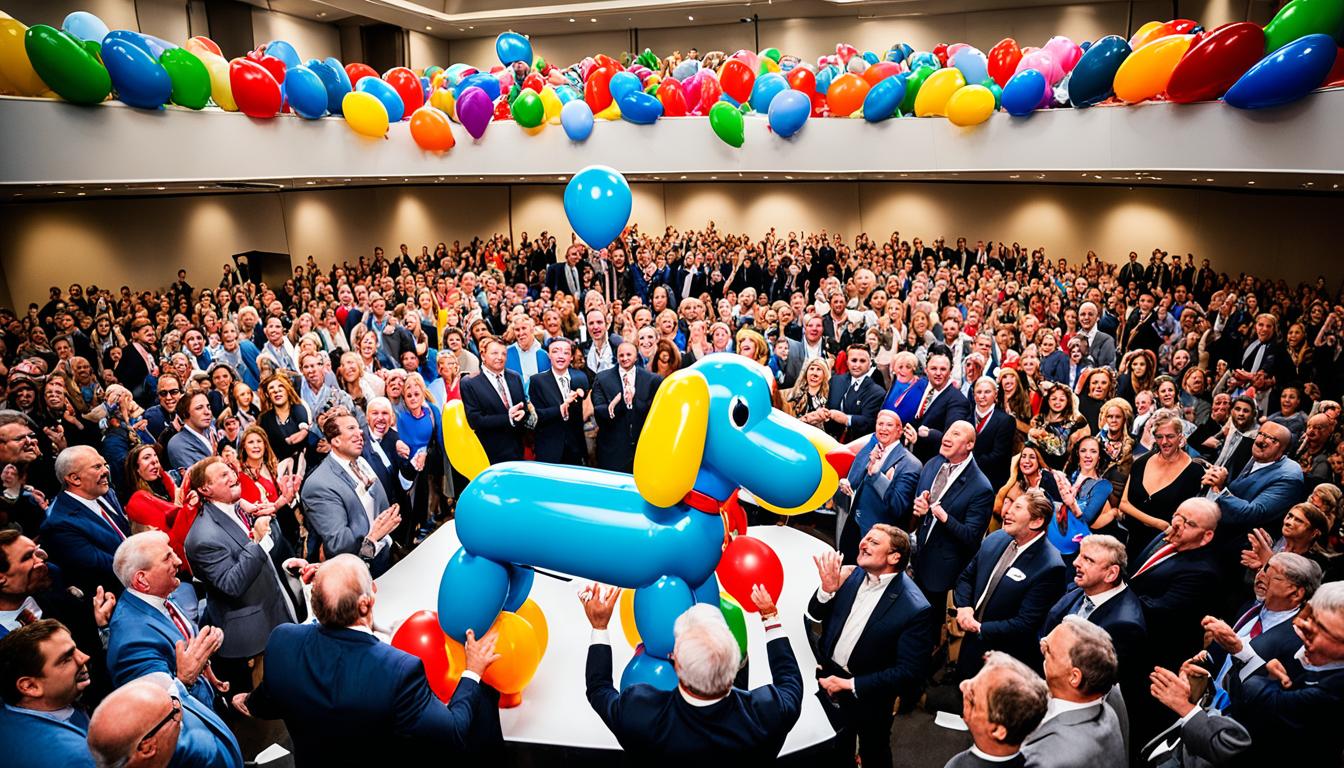
Exploring the Vibrant World of Art Fairs

Exploring the Vibrant World of Art Fairs

As a lover of the arts, I’ve dived into the lively scene of art fairs. Here, a mixture of artists, galleries, and fans meet to celebrate creativity. These events are more than places to see art. They’re living showcases of what’s happening in the art world right now.

From messy easels to elegant displays, there’s a strong sense of togetherness. This feeling shows how united the art community is. It’s like the cultural community’s heart, beating with creativity.
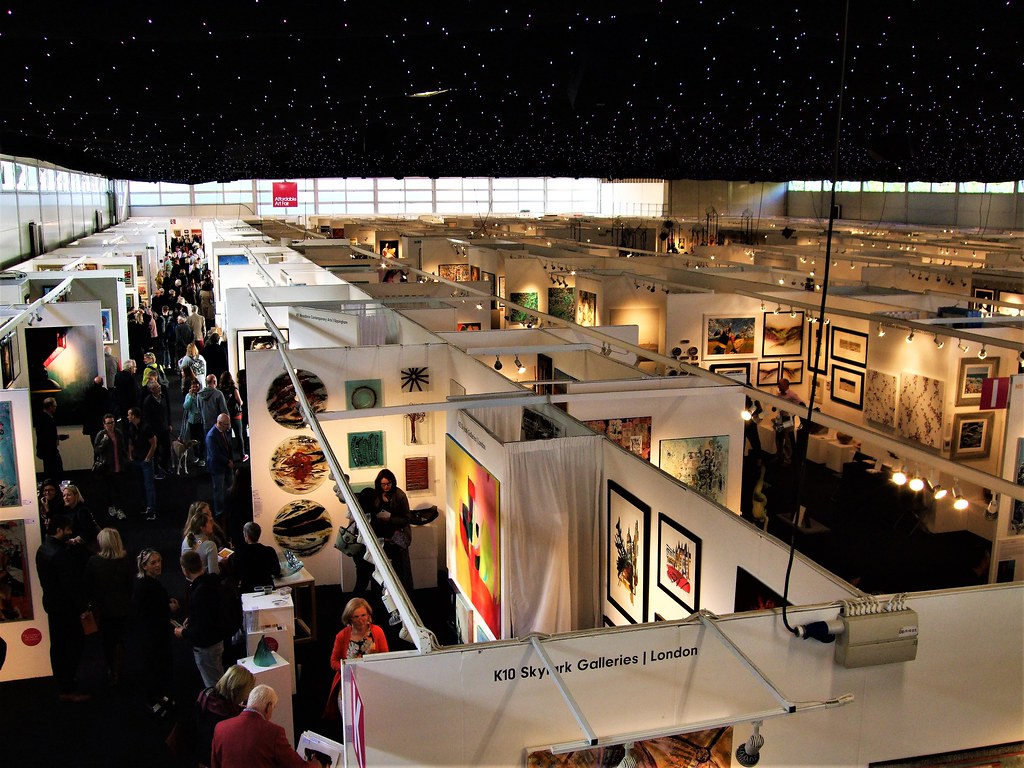
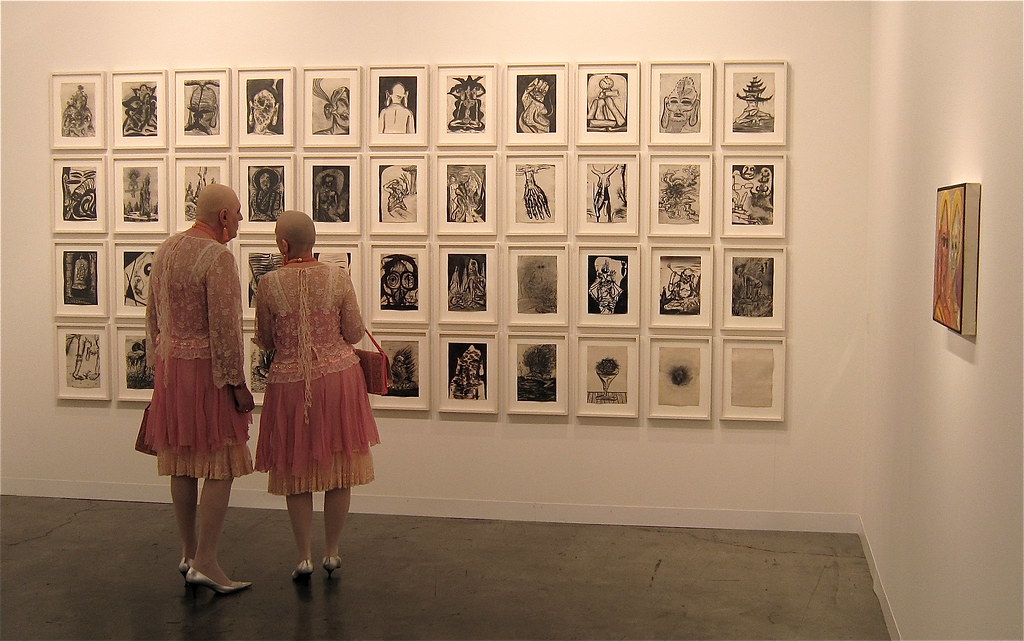
The 2018 Affordable Art Fair In Battersea Park – London

Key Takeaways

  • Art fairs are influential hubs that shape contemporary art trends.
  • They provide a platform for artists and galleries to connect with enthusiasts and collectors.
  • The events contribute significantly to the cultural and economic vitality of the art world.
  • Contemporary art fairs serve as a critical space for discourse and discovery in the arts.
  • Art fair events offer a comprehensive perspective on the diversity of the art sector.

Introduction to the Global Phenomenon of Art Fairs

I’m a journalist who loves the art world. I have seen the big change of art fairs. They went from small events to a global phenomenon. They are important on the art fair calendar for new and famous artists. These fairs are vital for artists wanting to be noticed.

Art fairs have grown huge over time. They were first just for artists and fans to meet. Now, top fairs in places like Basel, Miami, and Hong Kong are not to be missed. They are places of rich art and cultural sharing.

  • Connection of diverse cultures through art
  • Platform for launching new artists and innovative artworks
  • Opportunity for art collectors and dealers to discover valuable pieces

Every fair in the art fair calendar is carefully made to be engaging. This ensures that everyone from galleries to fans has fun with the art. Top art fairs play a huge part in making this happen. They lead, shape trends, and raise the bar for the world.

These fairs are key for art’s economy and culture. They are now a global phenomenon, changing art views everywhere. Their impact goes far beyond the art world.
Massive Art Fair

Art Fairs: A Meeting Point for Creativity and Commerce

Art fairs bring together creativity and business in a lively way. They are key for promoting and celebrating art. At these events, artists and sellers can connect with buyers and other artists. This mix of business and art offers great insights into the art world.

Understanding the Business of Art

Art fairs are more than just places to buy and sell. They blend the beauty of art with market forces. Here, sellers and exhibitors work to be successful by understanding trends and what clients like. They must also consider the state of the art market.

The Role of Galleries and Curators

Galleries and curators play a big part in making art fairs special. They show unique exhibits and represent many artists. Their choices can shape artists’ careers and start new trends at art fairs.

Networking Opportunities for Artists and Collectors

Networking at art fairs can jumpstart artists’ careers and help collectors find new art. These meet-ups are important for talking, sharing, and making new connections in the global art scene. For both new and known artists, networking at art fairs is key for business and art success.

Navigating the Diverse Genres at Fine Art Fairs

I explore fine art fairs with a sense of wonder. The variety of art I find is beyond what I can imagine. These events are not just about buying art. They are centers for sharing culture and finding new art. This mix of old and new art gives a special view of how art has changed over time.

Discovering Emerging Genres

Walking through the many fairs, I’m drawn to the new styles. These cutting-edge works challenge old ways and tell new stories. The top art events give these bold pieces a stage to shine, promoting new ideas.

Traditional vs. Contemporary Art Showcases

At these fairs, you can see both old and new art. Traditional art keeps us tied to history, while contemporary pieces are all about the now. This mix broadens our art experience. It shows everyone that art can be in many forms.

Interactive Installations and Performances

At modern art fairs, you can dive into the art with interactive pieces and live shows. These get you involved, making the art come alive. It leaves a lasting impression and makes you feel part of the art scene. This is what makes art shows a key part of modern art.

A Calendar of Not-to-Miss Art Fair Events Worldwide

I’ll guide you through the must-see events on the Art Fair Calendar. My aim is to highlight Top Art Fairs across the world, which art fans and collectors shouldn’t miss. This list features well-known and groundbreaking new events. It emphasizes the Best Art Fairs where art and culture truly shine.

  • Art Basel in Basel – This event is famous as one of the top global art fairs. It showcases premier galleries from continents like North America, Latin America, and beyond.
  • The Armory Show in New York – This fair is essential in the art world calendar. It brings together leading art galleries, special artist projects, and vibrant public events.
  • Frieze London – Frieze London is known for its forward-thinking art projects. It’s a key gathering for those interested in exploring the latest trends in art.
  • The Venice Biennale – The Venice Biennale turns Venice into a hub of contemporary global art. It’s an important stop for anyone interested in the best art fairs.
  • Art Dubai – This fair showcases artists from the UAE and worldwide. It has become an important player in the global art scene in a short time.

These gatherings let you discover unforgettable artworks and installations. They’re must-adds to your art fair calendar. Whether you collect art, are just getting into it, or work in the field, visiting these top art fairs means immersing yourself in the global art conversation. It offers cultural insight and discussions on contemporary art.
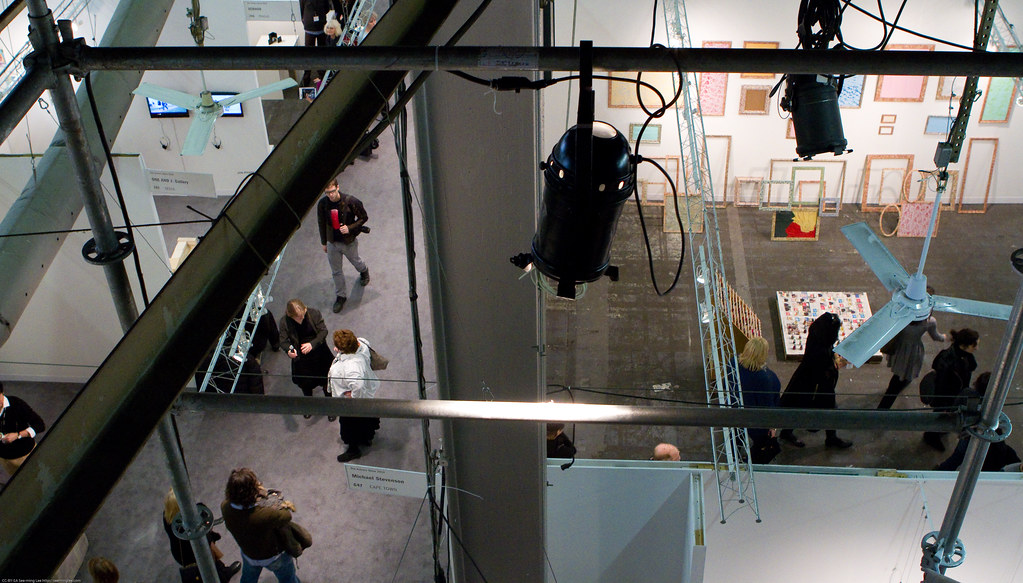
Birds’ eye view of The Armory Show 2010

The Rise of Virtual Art Fairs in the Digital Age

Virtual art fairs have changed how we interact with art. They’ve become key players in the art world, offering a digital twist. By taking art shows online, they bring new benefits, breaking away from the usual limits.

How Technology is Revolutionizing Art Consumption

New technology has led to a new way to experience art. These digital events are just as immersive as visiting a gallery. They bring together virtual reality, digital galleries, and unique experiences. This makes art accessible to everyone, not just the art experts.

Benefits of Virtual Art Fairs

Virtual art fairs are breaking down walls. They let people from all over see art without traveling. Plus, they’re cheaper to run than traditional fairs, saving money for the people who put them together.

Virtual Tours and Online Sales: The New Normal?

Moving online is changing how we buy and sell art. Now, we have virtual tours of booths and online talks. This change might stick around, making digital and physical art fairs a team.

Feature Traditional Art Fairs Virtual Art Fairs
Accessibility Limited to physical attendance Global access from any online device
Cost-Efficiency High overhead costs Reduced logistical and setup expenses
Interactivity Direct interaction Interactive digital tools (VR, live chats)
Art Sales Traditional transactions Integrated online purchasing systems

Profiles of Top Art Fairs: From the Prestigious to the Progressive

I’ve been to many top art fairs, seeing lots of creative and new things. These events are not just local but worldwide, mixing long-held traditions with the new. They show the best of current art.

The world of top art fairs mixes classic beauty with new artistic challenges. We will explore why these events are vital in the art world. They influence and change how we think about art and its market.

Art Fair Name Location Focus Area Year Founded
Art Basel Basel, Switzerland Modern and Contemporary Art 1970
Frieze Art Fair London, UK Contemporary Art 2003
Biennale de Lyon Lyon, France Progressive Contemporary Art 1991
The Armory Show New York, USA International Contemporary and Modern Art 1994

At the best art fairs, you can meet artists, curators, and collectors. It’s a key place for new art ideas. Artists from the future meet the rich history of art.

For lovers of art or art professionals, going to these fairs can change you. They show the bold side of art that asks you to look beyond what you know. These events invite all to see and join in the exciting new art being made.
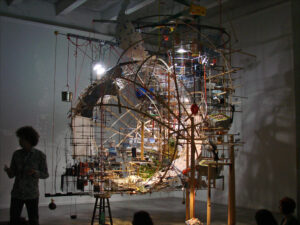
Untitled (Xe Biennale de Lyon)

Tips for First-Time Visitors to Art Fairs

Starting out at an art fair can be both exciting and a bit overwhelming. It’s important to know the basics and where to turn for help. This will help make your visit more meaningful.

Maximizing Your Art Fair Experience

First-timers should focus on what they love in art. Look at the fair schedule in advance. This lets you choose fairs best suited to your tastes, making your time more enjoyable.

Must-See Booths and Exhibits

Some booths and displays shine brighter than others. Look at the fair’s map and info for these highlights. You can also ask vendors for their top picks. They often know the best places.

Negotiating Purchases and Understanding Pricing

Learning to discuss prices is important at art fairs. It’s not as hard as it seems. Understand what you’re buying and talk openly with sellers. It could make for a great deal.

Aspect Tips Reasons
Planning Visit Check the art fair calendar, choose events aligned with your interests. Efficient time management and enhanced experience.
Selecting Exhibits Study the event’s layout and program; talk to vendors. Focuses visit on influential and inspirational works.
Negotiating Purchases Understand artwork value, discuss openly with vendors. Ensures fair transactions and greater satisfaction.

Unveiling the Hidden Gems: Boutique and Local Art Fairs

Boutique art fairs are key spots to find new talents and get close to fine arts. They’re different from big fairs because they focus on specific art types and build a sense of community. My journey into these charming events shows just how much they mean to artists and art lovers.

On the other hand, local art fairs are all about the community. They help raise the art scene in that area and bring people together to see and feel the local culture. These events strengthen the bond between artists and their audience, which is very important in art’s big picture.

Features Boutique Art Fairs Local Art Fairs
Focus Unique, niche artistic themes Community engagement and local culture
Size Smaller, more intimate gatherings Variable, often larger community events
Artist Benefits Highly targeted audience, specialized exposure Increased local recognition and support
Collector Benefits Access to unique and undiscovered talents Deepening cultural and community ties
Typical Locations Unique venues like boutique hotels, historic sites Public, more accessible areas like parks and community centers

Both boutique and local art fairs do more than just gather people for a few days. They help artists grow by giving them a chance to learn and be known. Artists, starting from local fairs, might later feel ready for bigger ones. The caring, family-like vibe of these fairs can really help them along.

Fine art fairs are crucial for connecting high-level art with community art, blending them in a way that boosts both. As I go further, I realize these events turn ordinary spots into places buzzing with extraordinary creative talk.

This intimate focus on smaller-scale events enriches the global art scene, sewing seeds of creativity that blossom in multifaceted ways throughout the art community.
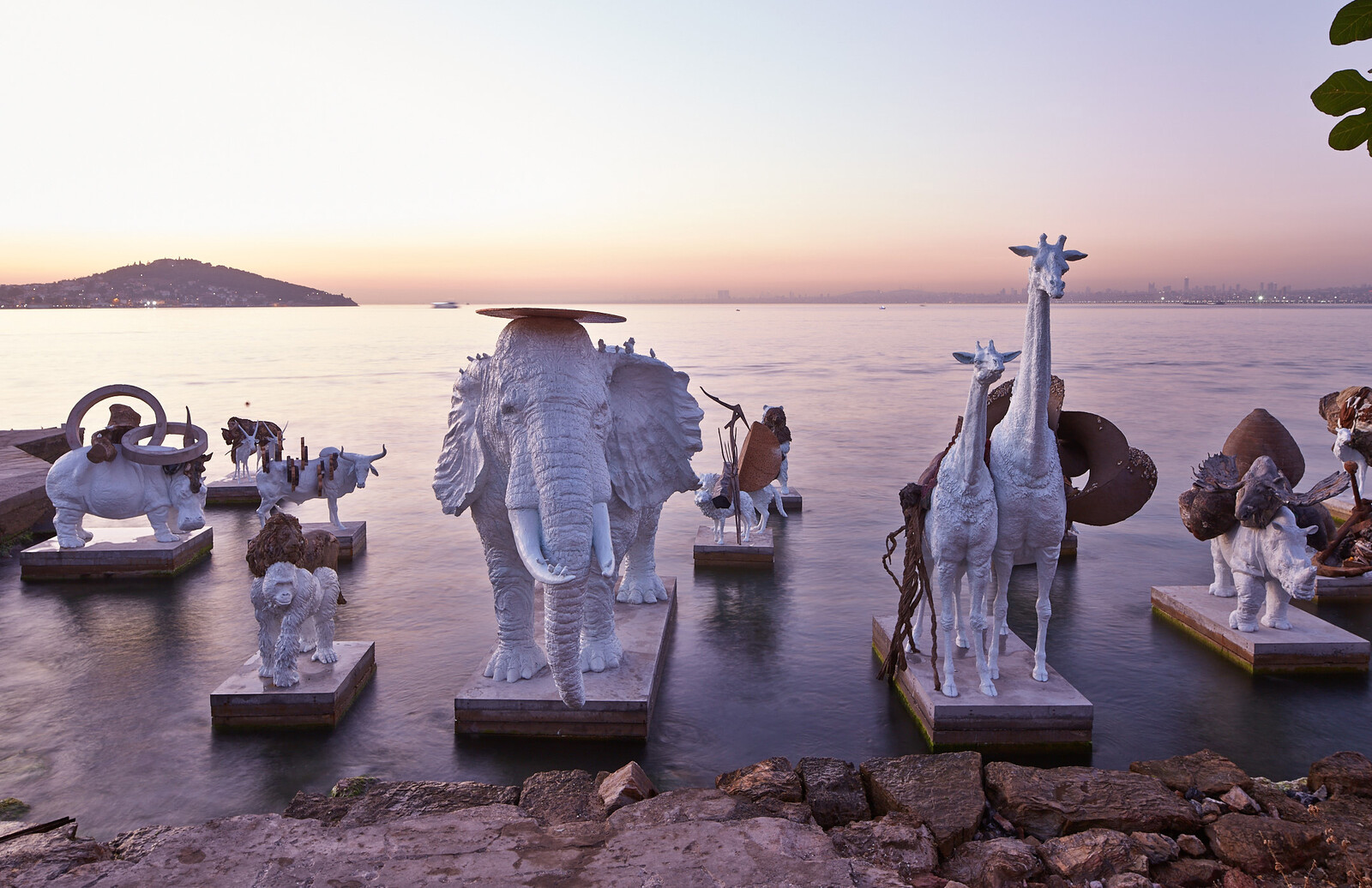
Istanbul Biennial

Looking into boutique and local art fairs shows a significant part of the art world. They’re about making art accessible, promoting variety, and getting communities involved. Each place has its own special vibe, and that’s what makes them so valuable.

Best Practices for Art Fair Exhibitors and Vendors

I’m deeply involved in the art world. I’ve seen how great exhibitions change everything at top art fairs. I’ll share key practices to make your display better and more attractive.

Preparation for a Successful Exhibition

Getting ready is key if you want your art to be remembered. Start by picking the best pieces that mirror your style and appeal to the fair’s visitors. Also, learning about the fair’s layout helps in creating a booth that stands out and welcomes everyone.

Marketing Strategies for Maximum Exposure

Having a solid marketing plan is crucial for Art Fair Vendors. It can turn a quiet booth into a popular spot. Using social media and emails beforehand creates buzz and brings people to your booth. It’s also smart to work with bloggers and influencers to get more exposure.

Engaging with Attendees and Selling Your Work

Making a sale is just the start of engaging with visitors. Sharing stories about your art, encouraging questions, and giving thoughtful answers make a big difference. Always make sure to get their contact details for future connections.

Strategy Description Impact
Dynamic Booth Design Create an attractive and easy-to-navigate space for visitors. This approach boosts visitor interest and sales opportunities.
Digital Pre-Fair Marketing Use teaser images and talks about featured art to build excitement online. Helps to create buzz and attract interested visitors right from the start.
Active Selling and Networking Have meaningful conversations with attendees, answer their queries, and share your contact information. Directly contributes to immediate sales and the development of future business relations.

By following these tips, you can make a big impact at an Art Fair. This not only increases your chances of selling but also helps you connect with art lovers and collectors. Remember, your success at these events relies on how well you engage the audience.
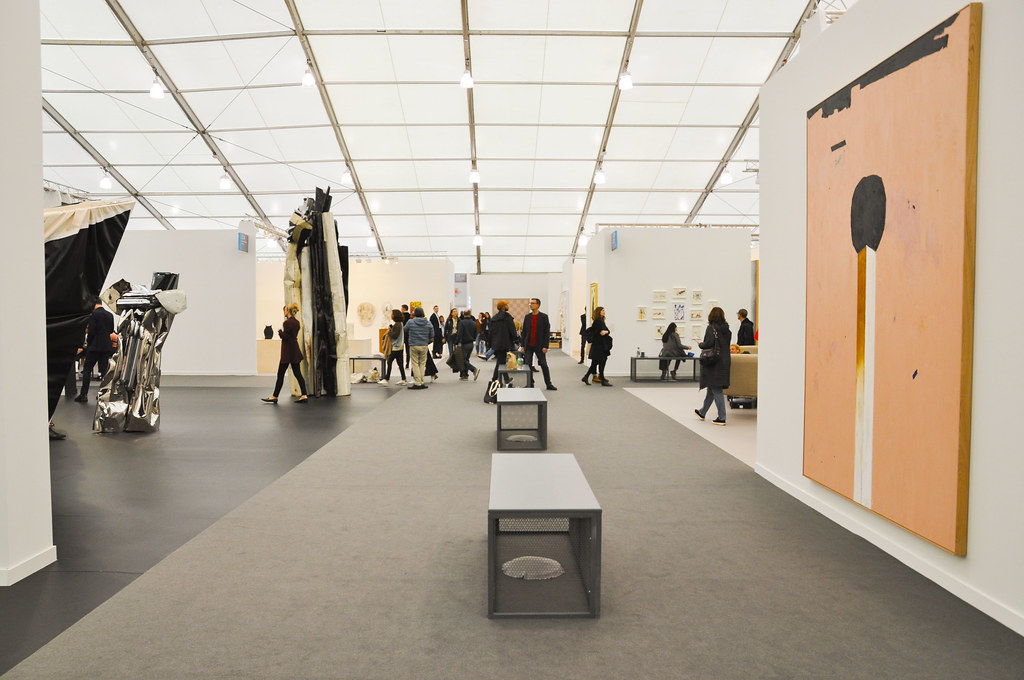
2019 Frieze Art Fair

Contemporary Art Fairs as a Barometer of Artistic Trends

Contemporary art fairs play a huge role in showing current artistic trends. They are not just about viewing art. They help us see where the art world is going. This is key for those interested in what’s next in art and creativity. Artists, collectors, and fans can learn a lot by looking at what’s popular at these fairs. They give us a peek into the current social and political changes.

Events like the Venice Biennale and Art Basel are major players. They not only show artwork but also start important conversations. These talks often lead to new trends in the art world. So, paying attention to what’s happening at these big fairs can really help you understand the art community.

But the impact of these fairs goes even further. They affect not just the galleries at the fairs but also inspire private shows and online art. In today’s world, where art can be shared so easily, these fairs have found an even bigger audience. They are at the forefront of introducing new artistic styles that everyone can enjoy. So, they remain very important in the art scene.

Fair Name Notable Trends Impact Factor
Art Basel Multimedia Installations High
Venice Biennale Political Commentary Medium
Frieze Art Fair Virtual Reality Art Emerging

The chart above shows the range of topics at these fairs. It proves the immense influence these fairs have in guiding art trends. Contemporary art fairs are essential when it comes to exploring new artistic directions. They are crucial for those wanting to be part of the current art culture.

Capturing the Experience: Photography and Social Media at Art Fairs

Art, culture, and technology meet at art fairs. Social media pairs with art’s timeless nature. This brings an immediacy to the event and extends its impact online.

The Role of Social Media in Art Fair Popularity

Social media acts like a digital art gallery. It helps people interact and engage with art fairs. Live streaming and social sharing make the event feel more communal and open to all.

Do’s and Don’ts of Art Fair Photography

Photography is great for capturing art fair moments. But, we must respect the art and artists.

  • Do ask for permission where necessary before snapping photos.
  • Do use natural light to avoid distortion of artwork.
  • Don’t use flash photography as it can interfere with the inherent qualities of artworks.
  • Don’t obstruct the view of other attendees while taking photos.

Expanding Reach Through Digital Storytelling

Digital storytelling does more than document art fairs. It tells engaging stories that draw people in. This approach keeps interest alive and highlights what’s special about the fairs.

Feature Benefit
Live-streaming sessions Allows real-time engagement and increases accessibility for global audiences.
Curated social media content Creates sustained interest and engagement long after the event has concluded.
Interactive storytelling Enhances viewer immersion and emotional connection with the event and artists.

Conclusion

Peculiar Pair, Art Basel Miami Beach

Our exciting trip through art fairs is finishing. These energetic events aren’t just about selling art. They breathe life into today’s art world. At fine art fairs worldwide, there’s a mix of money and culture that shows a world full of new ideas. Whether you walk through huge international shows or cozy local displays, every step is a lesson in modern art.

But, art fairs aren’t only about physical spots anymore. The rise of virtual art fairs changes how we see art. It lets us explore art from around the globe online. Online shows are now key parts of the art world, letting more people join in. They help art reach everyone, no matter where they live.

Looking ahead, I invite you to see both real and online art fairs. They’re great for adding color to your cultural world. Everyone’s role, whether they create, collect, or just enjoy art, helps these events stay important. Together, we make art fairs a key place for sharing ideas and amazing creativity.

FAQ

What are art fairs and why are they important?

Art fairs are big events where people like artists, galleries, and art fans meet. They come to look at, buy, and sell art. These events are key for sharing culture, showing the latest art, and helping artists and galleries be seen more and sell more.

How can one stay updated on upcoming art fair events?

To keep track of art fairs, check out online art fair calendars and art sites. Also, sign up for art fair newsletters. Many art fairs share news and updates on social media too.

What can I expect to see at contemporary art fairs?

You’ll see lots of different types of art, from paintings to performances, at contemporary art fairs. You can interact with the art and meet artists from all over the world.

What opportunities are available for networking at art fairs?

At art fairs, you can meet and talk with artists, galleries, and people who collect art. You can look for chances to work together or make sales. There are also discussions and special events to join.

How do virtual art fairs compare to traditional in-person events?

Virtual art fairs let you see art from anywhere, without travel costs. They have online booths and live events. Even though you don’t see the art in person, it’s easier for more people to join in.

What should a first-time visitor do to make the most out of an art fair visit?

Plan your visit by looking at the fair’s schedule and picking out what you want to see. Make sure to take your time walking around. Try to join talks or tours and talk to the people showing the art to learn more.

Can you purchase art directly at an art fair, and if so, how does pricing work?

Yes, you can buy art right at art fairs. The prices are usually set, but you might be able to talk them down. Prices vary based on the artist’s fame, the art’s size, and more. Always ask for a price list and ask questions if you’re curious.

How are boutique and local art fairs different from major international art fairs?

Boutique and local art fairs are smaller and usually showcase local artists. They often have unique or special art and help new artists. International fairs show a wider range of art from many places and draw a big crowd of people and buyers from around the world.

What strategies should art fair exhibitors deploy for a successful exhibition?

Exhibitors should get ready by knowing who will visit their booth, choosing the right art, and making their space look welcoming. They need to advertise well, talk to new people, share their art’s story, and keep in touch with those contacts after the event.

What impact do contemporary art fairs have on artistic trends?

Contemporary art fairs help set the tone for new art directions by showing fresh ideas and reflecting artistic discussions worldwide. They can influence what people like and where the art market is heading.

How has social media affected the popularity of art fairs?

Social media has made art fairs more known and liked by letting people easily share what they see and do at the fairs. It reaches more people than just those who visit in person. Now, it’s a big part of how fairs let people know about them.
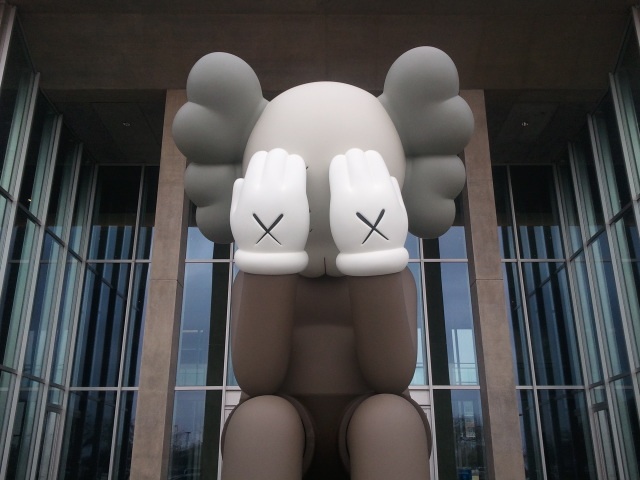

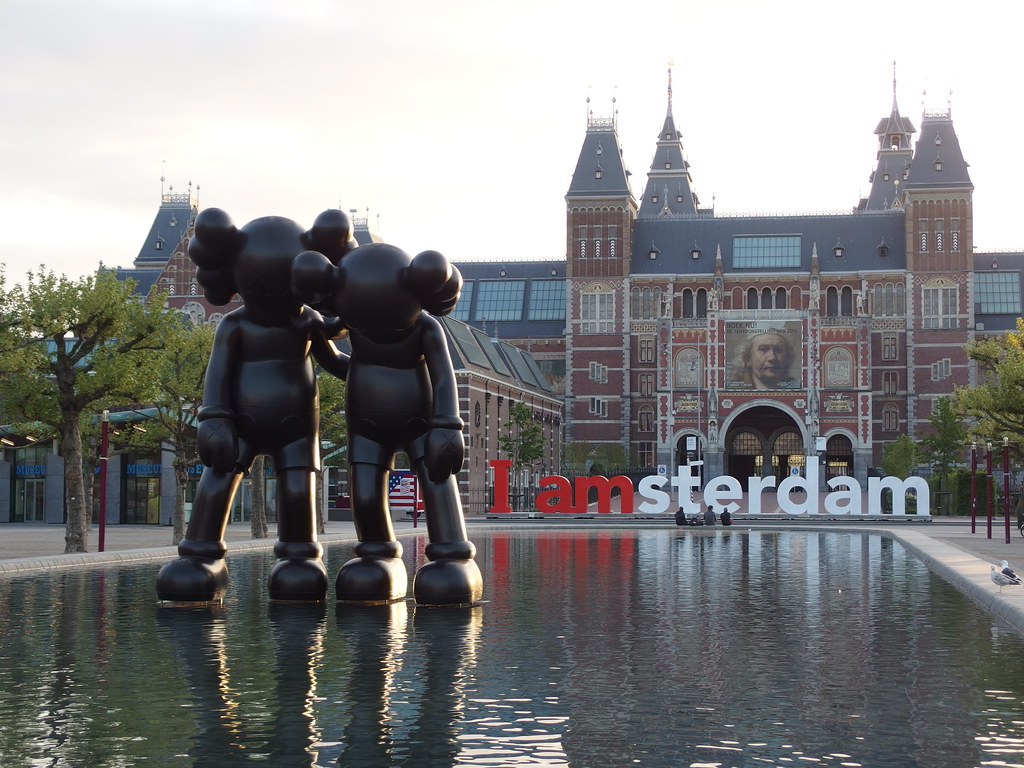
KAWS Art Phenomenon: Trends & Collectibles

KAWS Art Phenomenon: Trends & Collectibles

Kaws Companion Mono

Welcome to the world of KAWS, an artist who has changed art, pop culture, and collecting. His iconic sculptures are known everywhere. So, what makes KAWS so special ?

Key Takeaways:

  • KAWS, a renowned contemporary artist, has revolutionized the art world with his unique blend of pop art and street art.
  • His sculptures and collectibles, such as the beloved KAWS Companion, have gained global recognition and captivated art enthusiasts and pop culture fans alike.
  • KAWS’ collaborations with fashion brands, musicians, and animated franchises have propelled his art beyond the gallery walls, reaching new audiences.
  • His trendsetting exhibitions have drawn massive crowds and critical acclaim, showcasing his artistic progression and influence.
  • The value of KAWS’ art and collectibles has soared, with impressive auction records and a high demand for limited edition pieces.

The Rise of KAWS in the Art World

KAWS, also known as Brian Donnelly, began as a graffiti artist. He left his touch on city walls. Over time, KAWS evolved into a well-known modern artist whose work fascinates many.

“I never had a career plan or strategy; it was all just learning and doing.”

KAWS combines pop art and street art to make his own style. His creations are loved by people around the world. They challenge the idea of what is considered important in art.

KAWS has showcased his work in many places. He has been in small galleries and big museums. Everywhere, his art has made a significant mark.

He is celebrated for his amazing talent and influence in the art scene. KAWS’ detail and ability to touch hearts set him apart. He’s an important artist today.

Now, let’s look at KAWS’ sculptures and collectibles. These pieces are very much wanted by collectors and fans.

My Kaws collection

Exploring KAWS Sculptures and Collectibles

KAWS is well-known for his eye-catching sculptures and figures. His works, like the famous KAWS Companion, are loved by those who enjoy art and pop culture. KAWS also partners with brands like Uniqlo for special editions, expanding his reach.

The bold colors and unique style of KAWS’ sculptures grab attention. Each one has a special meaning, drawing us into KAWS’s imaginary world. KAWS pays close attention to every detail, making his art full of wonder and memories.

These works are not just for looking; they’re sought by collectors. They often sell for a lot of money at auctions. The limited numbers of these items make them even more desirable.

“KAWS has redefined the concept of collectible art, merging fine art with popular culture. His sculptures and figures have become coveted pieces that transcend traditional boundaries.”

Since his early days working with streetwear, KAWS has grown a lot. He now works with top fashion brands. His hard work introduces more people to his unique style and ideas.

Influential KAWS Collectibles

Collectible Description
KAWS Companion The iconic character that has become synonymous with KAWS’ art. The Companion figure comes in various forms, from sitting to standing, and has become a must-have for collectors.
KAWS BFF The BFF figure, with its colorful and playful design, represents the importance of friendship. This character has captivated audiences with its expressive eyes and relatable message.
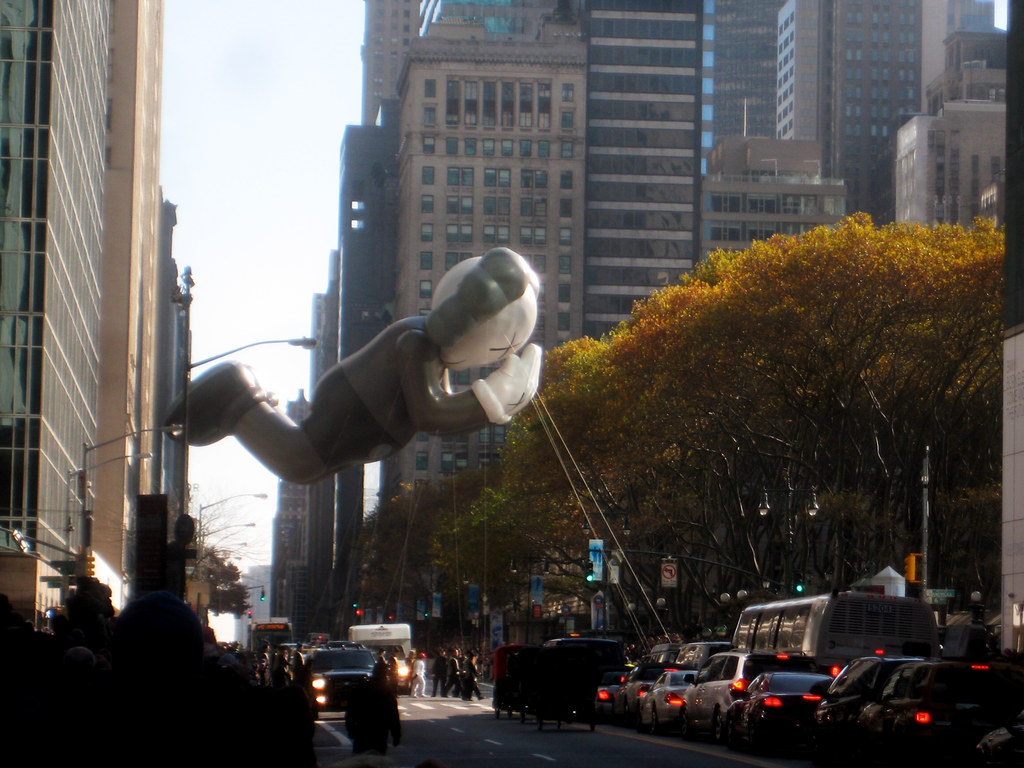
KAWS Holiday The KAWS Holiday series features large-scale sculptures that have toured different countries. These inflatable figures, often inspired by well-known cartoon characters, provide a playful twist on familiar icons.
KAWS x Uniqlo The collaboration between KAWS and Uniqlo has resulted in a range of affordable collectibles. From t-shirts to plush toys, these items have made KAWS’ art accessible to a wider audience.

KAWS Companion Macy’s Thanksgiving 2012 Parade NYC 5315

There are many KAWS items that fans love. Each one shows KAWS’ unique style and marks a step in his career.

KAWS has mixed art, design, and pop culture in exciting ways. His creations bring joy and appreciation to many. They are found in all kinds of places and are loved all over the world.

KAWS Collaborations: From Fashion to Music

KAWS is famous for his amazing team-ups that go beyond art’s usual limits. He brings his special creative eye to fashion and music. His work has really changed how people see art and culture. Now, his impact is felt everywhere.

One big collab KAWS did was with Uniqlo, the big name in fashion. His cool style and fun characters made a hit with Uniqlo’s fans. Together, they made clothes that everyone loved. People from the art and fashion worlds all wanted a piece of it.

“The KAWS x Uniqlo collab shows KAWS’ art in a different light. It lets fans wear his famous characters on cool clothes. This teamwork really brought KAWS’ art to people all over the globe.” – [Insert Name], Fashion Critic

KAWS also joined forces with musicians. They worked on cool album covers and stages. Big names like Pharrell Williams and Kanye West have teamed up with him. This has made KAWS a key figure in the mix of art and music.

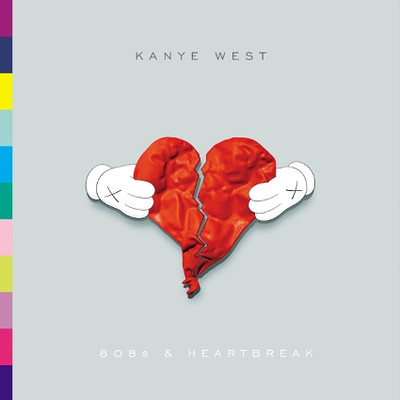
Take his work with Kanye West’s “808s & Heartbreak” album. KAWS’ art added something special to the music’s feeling. The album cover quickly became a symbol. It touched both music and art fans deeply.

KAWS’ work has even touched animated classics like “Sesame Street.” With this project, he put his spin on famous characters. He made Elmo and Cookie Monster look brand-new and fun.

KAWS’ collabs are not just about making his art well-known. They’ve let him speak to new groups who might not know much about art. Through these different projects, he’s started conversations. He’s made memorable moments in popular culture.

808’s & Heartbreaks Ltd. Edition cover by Kaws

Notable KAWS Collaborations

Collaboration Description
KAWS x Uniqlo A successful clothes line that made KAWS’ art easy to love through fashion.
KAWS x Kanye West This included album covers and stage designs that mixed KAWS’ art with popular music.
KAWS x Sesame Street He gave classic “Sesame Street” characters a new look, adding a modern twist to old favorites.

Trendsetting KAWS Exhibitions

KAWS’ shows are now a special part of the art scene. They draw in a lot of people and win a lot of praise. These shows happen both in galleries and in big museums. They show how his art has grown and how important it is.

In 2019, he had a big show in Detroit called “KAWS: Companionship in the Age of Loneliness”. It talked about being alone, buying things, and the internet’s role in our lives. KAWS brought his special characters to life, making a show that was both striking and meaningful.

In Atlanta, at the High Museum of Art, another show stood out. In 2020, “KAWS Along the Way” had a huge sculpture of his Companion, lying down. It made people think about how we connect with others each day. The sculpture was made for people to touch and take photos with.

“KAWS pushes art in new directions and into our hearts. He mixes pop culture, street art, and modern art in a special way. Each show is made carefully to leave a deep memory in the visitors’ minds.”

KAWS exhibition

Upcoming Exhibition: KAWS: He Eats Alone

People are really excited for the 2022 show at the Brooklyn Museum. This show will look at KAWS’ art from when he started until now. It will include his sculptures, paintings, and more. The event will show how his art has changed over time.

At the show, we will learn more about what inspires KAWS and his art’s impact. We will see new pieces and old favorites. “KAWS: He Eats Alone” will teach us about his journey as an artist and his big role in art today.

Make sure not to miss the chance to see KAWS’ new and exciting shows. Keep an eye out for details on new shows. Get ready to explore the amazing world of this incredible artist.

Exhibition Year Location
“KAWS: Companionship in the Age of Loneliness” 2019 Museum of Contemporary Art Detroit
“KAWS Along the Way” 2020 High Museum of Art, Atlanta
“KAWS: He Eats Alone” (upcoming) 2022 Brooklyn Museum, New York City

KAWS ‘Along the Way’ statue

The Global Impact of KAWS

KAWS is a global artist known worldwide for his creativity. He brings people together with his art. His work has deep meaning and inspires many artists.

Influence and Inspiration

Many people are fascinated by KAWS’ art. He mixes pop culture with his unique style. This makes his art connect with everyone. KAWS makes us question what art means, and he talks about identity and culture.

“KAWS’ art has the ability to connect with me on a deeper level. It’s not just visually appealing; it speaks to the emotions and experiences we all share as human beings.” – Art enthusiast

International Recognition

KAWS’ work is seen and loved worldwide. It has been in big galleries from New York to Tokyo. More people get to see his art, and this makes them understand his vision.

The Power of Collaboration

Working with big companies has helped KAWS reach more people. His designs for Uniqlo sold out fast. This shows how many people around the world love his art.

Community and Connection

He uses social media to bring his fans together. This makes his art easy to see and enjoy for everyone. KAWS has connected people from all over the world through his art.

KAWS Star Wars Companions

Art as a Catalyst for Change

KAWS’ art can make us rethink big ideas. It talks about society and culture in a new way. He inspires others to make art that matters.

Key Takeaways:
KAWS has gained international recognition for his unique blend of pop culture, street art, and contemporary aesthetics.
His art resonates with individuals from diverse cultural backgrounds, making him a global phenomenon.
Collaborations have played a vital role in expanding his reach and bringing his art to new audiences.
KAWS’ powerful artwork sparks conversations, challenges societal norms, and inspires a new generation of artists.

The Value of KAWS Art and Collectibles

KAWS’ art and collectibles are now more in demand than ever. This is because they mix pop culture, street art, and modern beauty. People all over the world love what KAWS creates.

The Market for KAWS Artwork

KAWS’ art is making big money at top auctions. His pieces can sell for millions. This shows how much people value his work.

Owning a KAWS piece is seen as a smart choice. It shows the artist’s skill and it can grow in value. Since there are only a few, people want them more and more.

“KAWS is a game-changer in the art world. His ability to seamlessly fuse popular culture, contemporary art, and collectibles has catapulted him into a league of his own.” – Art Collector Magazine

The Hype Surrounding KAWS Collectibles

KAWS’ collectibles are very popular, especially his Companion figures. They are hard to get and sell out quickly. This is because KAWS has many devoted fans.

Social media and influencers have made KAWS collectibles even more popular. Showing them online makes them seem more special. This adds to their worth.

Record-Breaking Auction Sales of KAWS Artwork

Artwork Sale Price Auction House Date
The KAWS Album $14.8 million Sotheby’s March 2021
Kawsbob $14.7 million Christie’s May 2020
The KAWS Album (Yellow) $12.7 million Phillips February 2021

Recent auctions have seen KAWS artwork reach high prices. With more people wanting his art, the prices are sure to go up.

In the end, KAWS art and collectibles are more than pretty things. They are wise investments and a part of today’s art world. With few available and a growing want, KAWS’ works are treasures.

Conclusion

KAWS

In conclusion, KAWS has changed the art scene with his mix of pop culture and art. His work, like sculptures, has amazed people everywhere. His collectibles are now very sought after.

KAWS mixes art and pop culture perfectly, making him a leader in breaking art’s old rules. His influence goes beyond just artists, getting everyone talking about art and culture together.

As KAWS keeps growing as an artist, his impact will keep getting bigger. He knows how to speak to anyone with his art. This shows his true skill and the big vision he has.

FAQ

What is KAWS art?

KAWS art is the style and work of artist Brian Donnelly. He mixes pop art with street art. This mix shows in his sculptures, paintings, and items that are famous worldwide.

Who is KAWS?

KAWS is the artist name for Brian Donnelly. He first painted on walls as a graffiti artist. Now, he is a top artist in today’s art world.

What are KAWS sculptures?

KAWS sculptures are works by Brian Donnelly. They show his unique characters, like the KAWS Companion. People love to collect these special art pieces.

What is a KAWS Companion?

The KAWS Companion is a figure with Xs for eyes. Brian Donnelly made it and it’s very famous. Many people love this creation.

What is a KAWS figure?

A KAWS figure is a toy or sculpture by Brian Donnelly. It might show the KAWS Companion. These art pieces are wanted by many art fans and collectors.

What is a KAWS exhibition?

It’s a show that displays Brian Donnelly’s artwork. You can see his sculptures, paintings, and more. These shows let you see how his art has changed over time.

What are some notable KAWS collaborations?

KAWS has worked with fashion brands like Uniqlo and people like Pharrell Williams. Together, they created special clothes and album covers. These items show KAWS’ art in a new way.

What is the value of KAWS art and collectibles?

KAWS’ art and collectibles have become very valuable. As he has become more popular, his works fetch high prices at auctions. People clamor for his special items, leading to high prices.

What is the global impact of KAWS?

KAWS is known all over the world. His art speaks to many people. It has also sparked new discussions about art and pop culture. KAWS has inspired a new wave of artists and changed the art world internationally.

Pop Art Movements: A Colorful Cultural Dive

Pop Art Movements: A Colorful Cultural Dive

Welcome to a world where art meets popular culture in a colorful burst. In this piece, we explore pop art movements deeply. We cover its start, key characteristics, famous names, important works, and its effect on culture. Get ready to dive into a world full of expressive art. You’ll see how pop art has shaped our culture.

Andy Warhol – Campbel Soup Cans – Sotheby’s – About Pop Art 

Key Takeaways:

  • Pop art movements emerged as a reaction against the art world’s norms.
  • This art is known for its bold colors, use of popular culture images, and a sense of humor.
  • Artists like Andy Warhol and Roy Lichtenstein were key in making pop art popular.
  • Works like Warhol’s Campbell’s Soup Cans and Lichtenstein’s comic-like paintings are still celebrated.
  • Pop art changed advertising and fashion, and it shook up traditional art.

Defining Characteristics of Pop Art

Pop art is a movement with bright and bold styles. It has caught the eye of people all over the world. What makes pop art stand out is its unique features. These features make it a major influence in the art scene.

Bold Use of Color

Pop art is known for its vivid and brighter-than-life colors. Artists used bright colors to make their work pop. They used shades from the whole rainbow. This made their art really jump out at you.

Incorporation of Popular Culture Imagery

Pop art takes inspiration from our everyday lives and what’s popular. It uses familiar symbols and images from ads, movies, and more. By making everyday items into art, pop art changed how people saw ‘art’.

Celebration of Mass Production

Pop art celebrates the countless items produced by factories. Artists used these items in their work. This showed the world the growing importance of mass production and buying.

Irony and Satire

Pop art also jokes about society and how we view culture. Artists were witty in their work. They made us think about the funny or odd parts of daily life. This pushed people to think deeper about the media we see and what culture values.

“Pop art is about liking things.”
– Andy Warhol

Pop art changed art forever. It kept its strong colors, images from everyday life, and humor. This makes pop art still popular and loved today.

Key Figures in Pop Art

The world of pop art is filled with influential people. They shaped the movement and broke old rules. Their creativity showed the spirit of their era in lively colors and bold designs.

Andy Warhol

Andy Warhol stands out in pop art history. He mixed art with commercial ideas, making it hard to tell them apart. His works, like Campbell’s Soup Cans and Marilyn Diptych, make us think even now.

Roy Lichtenstein

Roy Lichtenstein, Kiss V (1964)

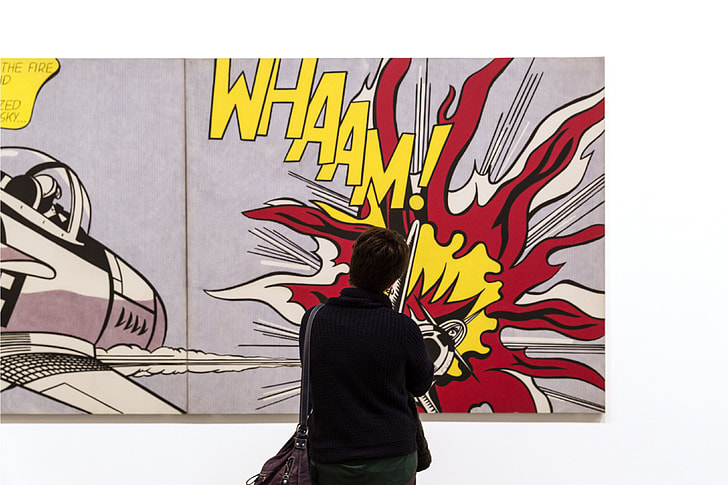
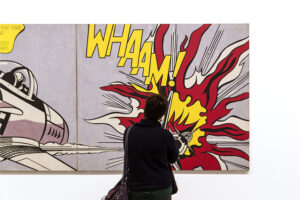
Roy Lichtenstein made art from comic books and ads. He used bold lines, vivid colors, and Ben-Day dots in his art. His paintings, like Whaam! and Drowning Girl, caught the eye with their look at popular culture.

Claes Oldenburg

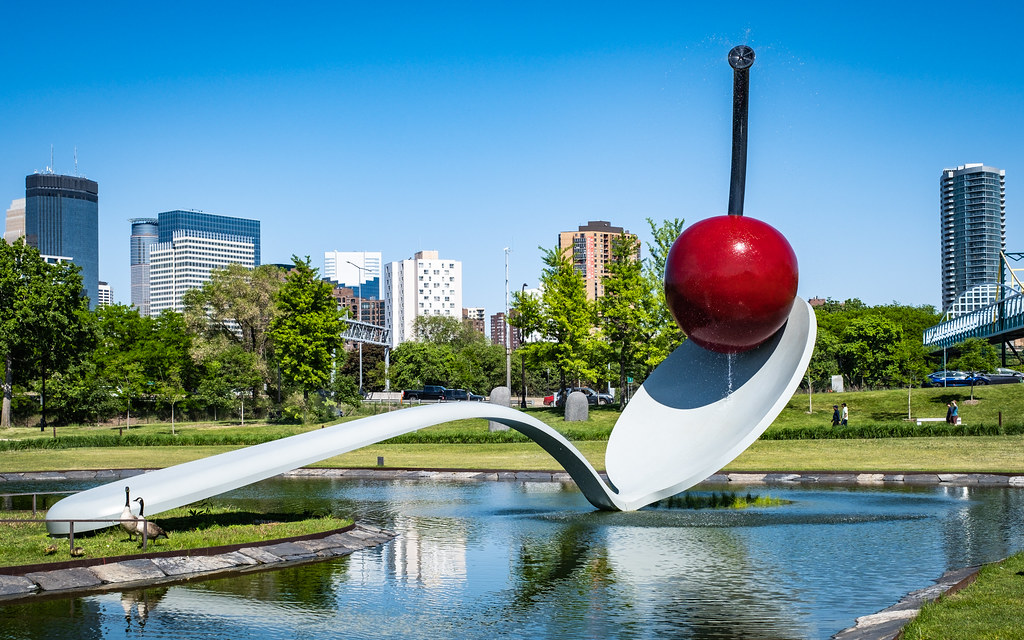
Claes Oldenburg made huge sculptures of everyday things. His playful pieces showed ordinary items in a new light. Works like the Giant Three-Way Plug and Clothespin turned heads and made people smile.

“Pop art looks into the world of advertising, mass-produced objects, and popular culture and turns them into the very subjects of art itself.” – Andy Warhol

The work of these artists, and many more, made pop art big. They all found new ways to show the world around us. Today, their ideas still speak to people everywhere.

Claes Oldenburg and Coosje van Bruggen, Spoonbridge and Cherry, 1988

Iconic Pop Art Pieces

Pop art has given us many iconic pieces that still amaze people today. They have made a big impact on the art world with their bold ideas and themes.

Andy Warhol’s “Campbell’s Soup Cans” from 1962 is a famous example. He painted 32 soup cans, each with a different label. This art challenged what people thought about art. Warhol showed that everyday things could be art. This made people think about shopping and popular culture.

Roy Lichtenstein’s art looked like comic books. His works, like “Whaam!” (1963), used bright colors and dots. They questioned what kind of art was important. His art showed that pictures from daily life were also meaningful.

Claes Oldenburg made a big plug in 1970. It was over ten feet tall. This huge plug made people smile. It made us think about what we see as important or funny in daily objects.

“Pop art looks out into the world. It doesn’t look like a painting of something, it looks like the thing itself.” – Roy Lichtenstein

Roy Lichtenstein – Red Barn I [1969]

Exploring the Significance

These famous pop art pieces do more than just show art. They change how we look at art and regular life. Artists like Warhol, Lichtenstein, and Oldenburg used things from everyday life in their work.

They made art that everyone could understand and enjoy. This helped join different kinds of art together. They made people think about buying things, making things, and pictures in the world.

Next, we will look at how pop art has affected culture. It has also changed things like ads and fashion, and what we think about old art traditions.

Pop Art Movement’s Cultural Impact

Pop art has deeply affected many parts of our society. It changed advertising and fashion. This movement made culture in big ways.

Pop art is known for going against old art traditions. It used everyday things in art, making it easier to understand for more people. This made art open to everyone and inspired different kinds of art.

“Pop art is about liking things” – Andy Warhol

In ads, pop art’s use of color and style stands out. It catches people’s eyes and feels modern. Many ads use pop art’s look to seem fresh and lively.

Pop art also shaped the fashion world. Its bright colors and bold shapes are on clothes and in fashion shows. It celebrates being different and standing out.

In the end, pop art has changed a lot. It challenged old ideas about art, changed ads, and influenced fashion. Today, it still affects our world, making a mark on art, culture, and how we see things.
A person looks at pop art by Roy Lichtenstein in an art gallery in London, England
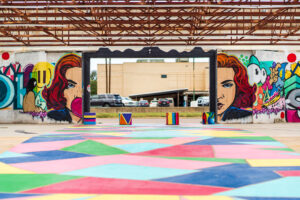
The Cultural Impact of Pop Art: A Brief Overview

Area of Impact Description
Artistic Conventions Pop art challenged traditional art forms, making art more accessible and relatable to a wider audience.
Advertising Pop art’s vibrant colors, bold graphics, and popular culture references have influenced countless advertising campaigns.
Fashion The bold and playful nature of pop art has made its way into clothing, accessories, and runway presentations.

Development of Pop Art Movements

Pop art came alive in the 1950s and 1960s. It mixed different art styles with big cultural changes. This mix made art popular by using everyday items and famous faces. It still influences art today.

Origins and Early Waves of Pop Art

Back in the 1950s, artists in the UK and US first explored pop art. They loved the bright and easy-to-understand design of ads and products. They felt this should appear in art too.

The 1960s brought more fame to pop art. Artists like Andy Warhol and Roy Lichtenstein became stars. Their art, like Warhol’s soup cans and Lichtenstein’s comic-style paintings, showed off popular items and stories.

Evolution of Pop Art

During the 1960s, pop art grew and changed. New types of art and artists started doing their own pop art works. They added new styles and colors to the mix.

Drawing from everyday life gained interest in the late 1960s. Artists painted or drew scenes that looked real, almost like photos. This made people see ordinary things in a new light.

By the 1980s, pop art had mixed with other new art types. This made an even bigger range of pop art styles. Artists in this time, like Keith Haring and Banksy, added new ideas to pop art.

The Contemporary Pop Art Landscape

Today, pop art is still a big deal in the art world. Artists keep making use of popular things and themes in their work. This keeps pop art fresh and interesting for everyone.

Pop art makes us think about ads, media, and what’s popular. It also changes how we see art itself. People now see that art can come from anywhere and any time.

Key Waves of Pop Art Key Artists Notable Works
First Wave Andy Warhol Campbell’s Soup Cans, Marilyn Monroe portraits
  Roy Lichtenstein Comic book-inspired paintings
  Claes Oldenburg Monumental soft sculptures
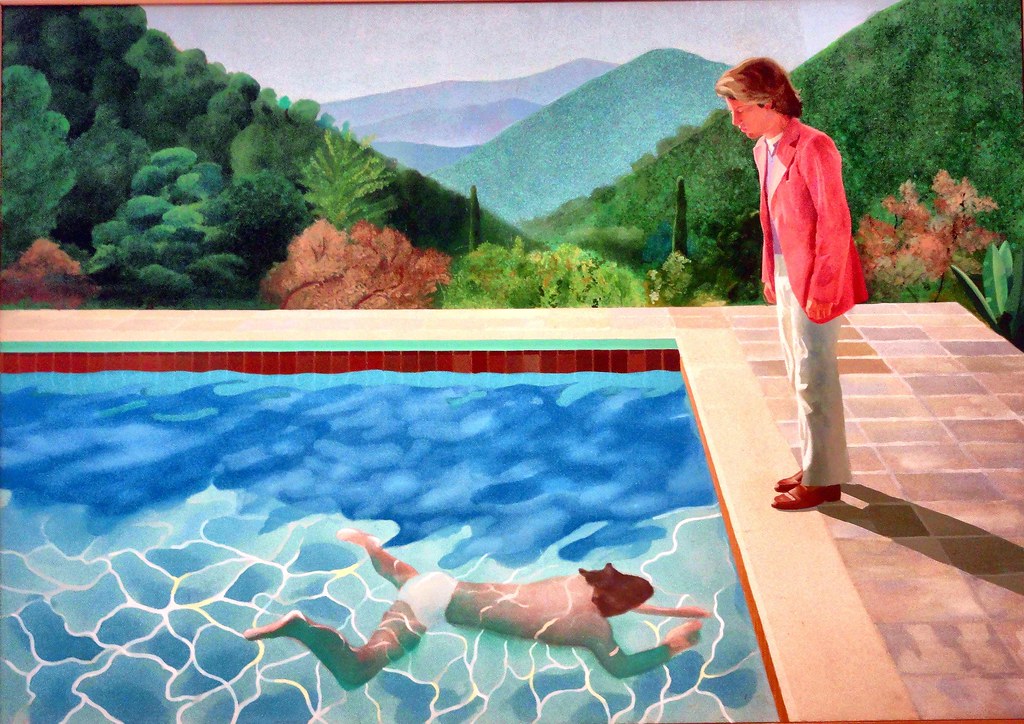
Second Wave David Hockney Brightly colored, unconventional perspectives
Photorealism Chuck Close Detailed, hyperrealistic paintings
Contemporary Keith Haring Iconic, bold figures and symbols
  Banksy Socially and politically charged street art


David Hockney,Portrait of an Artist ( Pool with Two Figures) 1972

Pop Art’s Enduring Legacy

Looking back at the pop art movements, we see it has lasting effects. It shapes today’s art and culture in many ways. You can notice pop art in paintings, sculptures, films, and fashion.

The Evolution of Pop Art

During the 1950s and 1960s, pop art was born. It responded to a world becoming more about ads and buying. At that time, artists began using things like ads, comic books, and common objects in their art. This change brought a fresh and daring feel to art that continues to catch our attention today.

This art style loves bright colors, big pictures, and weird materials. It showed the world that art doesn’t always have to follow the old rules. Pop art made room for new ways to be creative. Artists started trying things that hadn’t been done before.

Contemporary Art and Popular Culture

Even now, pop art is a big influence on art. Modern artists learn a lot from the pop art movement. They mix its ideas with their own to make art that makes us think and feel.

Pop art also really changed how we see culture and the things around us. The fun and bold ideas from pop art show up in ads, music, fashion, and more. The unforgettable pictures from pop art are like a special language that everyone understands.

The Significance of Pop Art

“Pop art is about liking things.”
– Andy Warhol

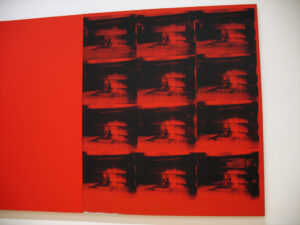
Red Disaster by Andy Warhol
Pop artists made everyday things into art. They brought new excitement to the art world by doing this. Their work made people talk, think, and open their minds about what art can do.

Pop art also showed that art and the everyday world can mix well. Its influence goes far beyond galleries. It keeps inspiring new ways to be creative in many different fields.

Conclusion

This article took us on an exciting journey into pop art. We explored its history from the 1950s through today. We learned about its impact on our art and culture.

Andy Warhol, Roy Lichtenstein, and Claes Oldenburg stand out in pop art history. Their famous works like Warhol’s Campbell’s Soup Cans are still celebrated today. These pieces mark a key moment in art.

Pop art has influenced more than just painting. Its bold ideas are seen in ads, clothes, and our daily lives. By turning everyday things into art, pop art changed the game for artists.

Looking back, our dive into pop art was truly eye-opening. Its story shows us how art can break boundaries and stay relevant. The pop art movements have left a big mark, still guiding artists today.

Pop Art Museum | San Angelo

FAQ

What are pop art movements?

Pop art movements started in the mid-20th century. They used popular culture in their art. This made art more about everyday life and less about rare, one-of-a-kind pieces. It was a big change.

What is the history of pop art?

Pop art began in the 1950s and 1960s. It started in the UK and the US. Artists like Andy Warhol and Roy Lichtenstein made it famous. Pop art is still a big part of art and pop culture today.

What are the defining characteristics of pop art?

Pop art is known for bright colors and simple shapes. It uses things from everyday life and popular culture. It often shows humor and brings some fun to the art world.

Who are the key figures in pop art?

Andy Warhol and Roy Lichtenstein are big names in pop art. Jasper Johns and Robert Rauschenberg are important too. They all had a large role in making pop art what it is.

What are some iconic pop art pieces?

Classic pop art includes Andy Warhol’s “Campbell’s Soup Cans.” “Whaam!” by Roy Lichtenstein and Jasper Johns’ “Flag” are also famous. Claes Oldenburg’s “Giant Three-Way Plug” is another well-known piece.

What impact has pop art had on culture?

Pop art changed how we see art and the world around us. It influenced advertising, fashion, and design. By using everyday things, it showed us that art is everywhere.

How did pop art movements develop?

Pop art came about as a reaction to other art styles. Artists wanted to make art that everyone could enjoy. They turned to everyday items for inspiration.

What is the enduring legacy of pop art?

Pop art is still very important today. Many artists use its ideas in their work. Its influence can be seen in how we design and think about art and culture.

Art Galleries

Navigating the World of Contemporary Art Galleries

Navigating the World of Contemporary Art Galleries

Art Galleries

As I delve into the realm of contemporary art galleries, my anticipation heightens at the prospect of immersing in the latest and most creative outputs from artists who capture the essence of our times. A contemporary art gallery is not just an exhibition space but a vibrant cultural hub where living artists—alongside some who have left us only recently—share their vision through mediums such as painting, sculpture, and even performance art. These galleries, be it sprawling local art galleries or intimate fine art galleries, are where modern sensibilities meet with pressing contemporary issues, providing a mirror to the society we live in.

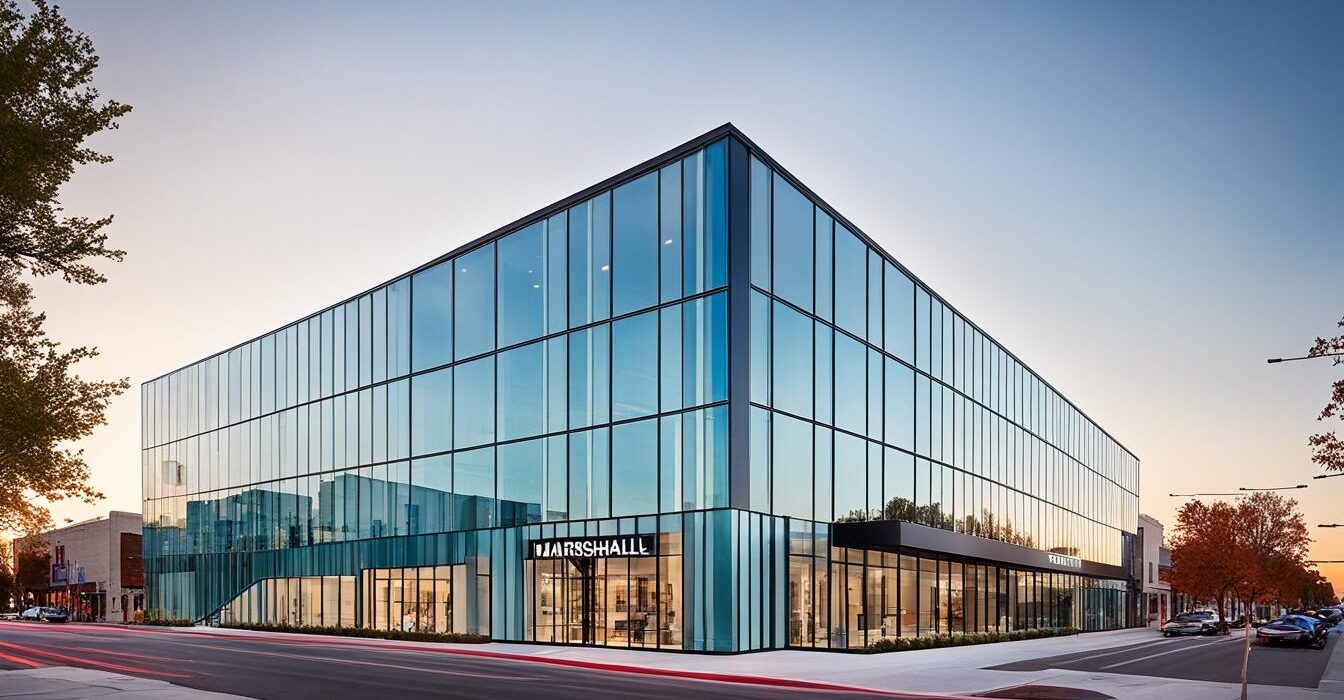
In engaging with these spaces, my expectations are met with a diversity of artistic expressions. At places like The Marshall Gallery in Scottsdale, I find more than just art—it’s an experience, set within a soothing atmosphere that fosters discovery and cultivates an appreciation for the artists’ work. Whether I am there for the sheer love of art or to find that perfect piece to adorn my home, contemporary art galleries provide me with a sanctuary for both.

Key Takeaways

  • Contemporary art galleries showcase innovative works from living artists, capturing current emotions and ideas.
  • Local art galleries serve as vital cultural centers within communities, offering access to a variety of mediums.
  • Fine art galleries, like The Marshall Gallery, offer serene environments ideal for art appreciation and curation.
  • Artistic diversity and a reflection of modern sensibilities are key traits to anticipate when visiting such spaces.
  • The potential for exploring, learning, and acquiring pieces makes each visit to a contemporary gallery a unique journey.

Unveiling the Essence of Contemporary Art Galleries

My exploration into the vibrant world of contemporary art galleries begins with an understanding that these spaces are more than venues for artistic display. They are cultural hubs, pulsing with the lifeblood of modern creativity and serving critical roles in the art community.

Definition and Purpose

The function of contemporary art galleries is twofold, providing an environment where art aficionados can engage with art gallery collections and where artists can gain exposure and benefit commercially. With every curated art gallery exhibition, there lies an intricate balance between aesthetic appeal and market dynamics, each show carefully designed to inspire visitors and foster transactions.

Representing Today’s Diverse Artists

Contemporary art galleries are platforms that celebrate diversity, bringing together an array of styles and narratives through their art gallery exhibitions. In these spaces, one can encounter a panorama of artistic expression, from evocative traditional media to groundbreaking digital installations. It’s a blend of time-honored techniques and daring new mediums that continually shape and expand our understanding of what art can be.

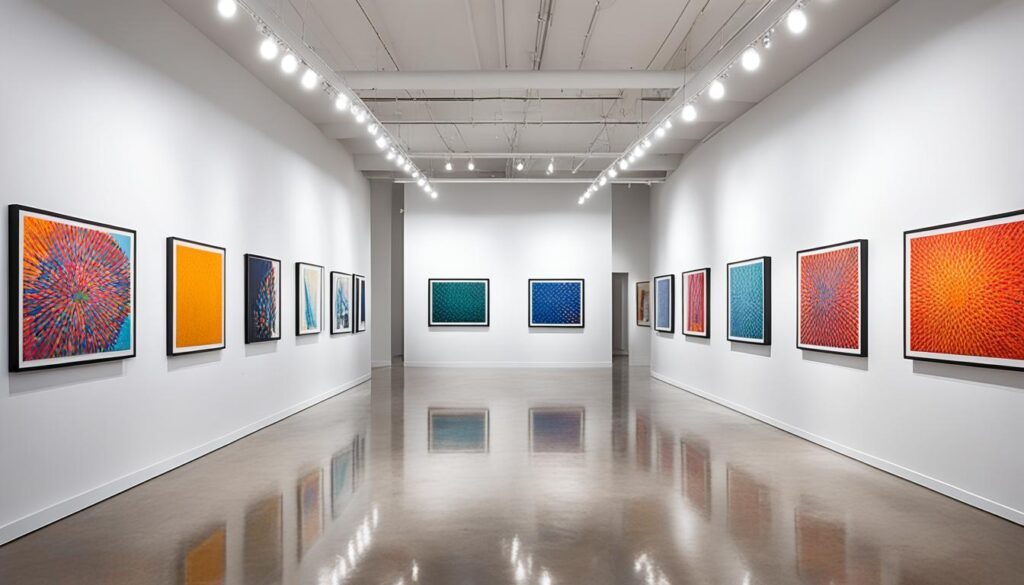
Contemporary Art Gallery Interiors

The Artistic Mosaic of Contemporary Galleries

When I step into a space dedicated to contemporary creativity, there’s an electric atmosphere that seems to buzz with potential and new ideas. It’s this environment where art gallery events live and breathe, and I find myself at the core of innovation and cultural discourse. My visits are always with the expectation that I’ll be leaving with more than I came, whether it’s a fresh perspective or a newfound appreciation for a technique I hadn’t previously encountered.

Art Gallery Events

Expectations for Artworks in Various Mediums

The variety of artworks on display in contemporary settings is astounding. I am prepared to navigate through a visual narrative that plays out in a series of paintings, sculptures, and photographs. These mediums, while traditional in essence, are often reimagined to fit the modern context, serving as a conversation between the past and the present. The art gallery events showcase these art forms not as standalone pieces but as part of a broader, interconnected artistic expression.

Embracing Modern Sensibilities and Techniques

Each artwork I engage with at these events seems to echo the sensibilities of our time, addressing issues from technological advancement to political statements, all while employing innovative techniques. It’s a celebration of what art can be in the hands of those who are not afraid to experiment and push boundaries. The modern techniques are not only a display of artists’ skills but their message to the world, a message that often parallels the themes and purpose of art gallery events themselves.

Art Galleries

Stepping into the vibrant world of contemporary art galleries, I’m struck by the sheer diversity of expression and the profound ways in which art gallery exhibitions can challenge and delight the senses. The value of artwork on display is not merely a financial one; it’s a rich tapestry of cultural significance and personal resonance. As I navigate through the arrays of creativity, I am compelled to understand not just what I see, but also why it holds such importance.

Deciphering the Importance of Art

An excursion through the winding corridors of a contemporary art gallery offers more than visual aesthetics; it opens the door to a dialogue with history, society, and the self. Each piece hung with careful intent is an invitation to explore the endless interpretations of importance in art, from the undeniable impact of brushstroke techniques to the thematic depths that tie a work to its time. In these sanctuaries of creativity, I am offered a lens to view the world anew.

Evaluating Artistic Significance

Within the realm of art gallery exhibitions, I am often drawn into a silent conversation with the artists themselves. The significance of their work lies within each layer of paint, each chisel mark on stone, and in the silent spaces between stanzas of a visual poem. It becomes my task, one that I undertake with fervent curiosity, to evaluate the essence beyond the canvas – how an artwork speaks to its contemporary landscape and to my inner contemplations on aesthetics and context.

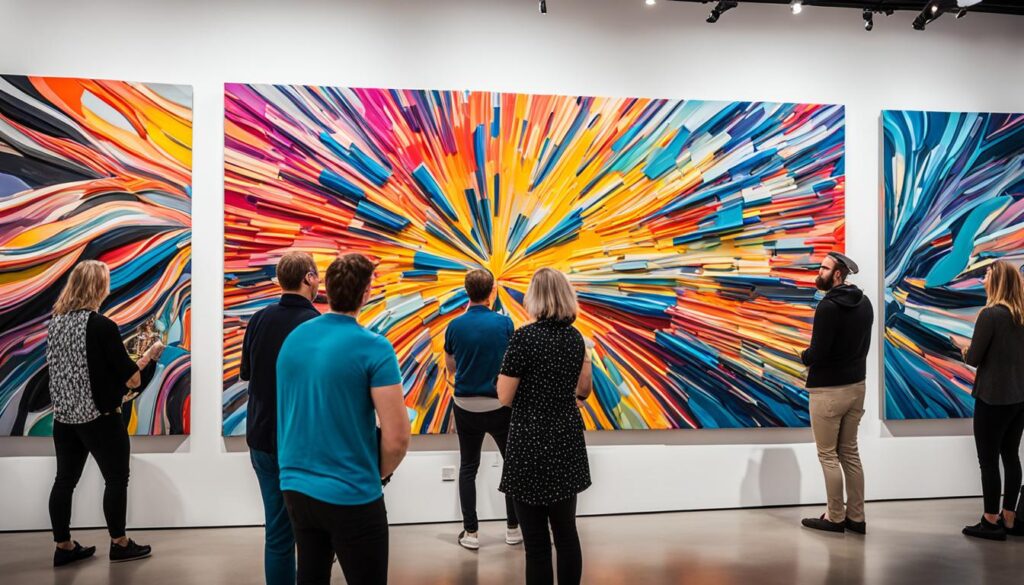
Art Gallery Exhibition

It’s in these moments, surrounded by the hustle of observers and the quiet confidence of the art that I recognize the profound role contemporary art galleries play in both housing and heralding the stories that define our societal fabric. Whether it’s a reflection on current events or an abstract exploration of human emotion, the encounters I’ve had are indelibly marked by the power of artistic expression.

The Allure of Art Gallery Exhibitions

My appreciation for local art galleries takes on a new dimension when I consider the significance of gallery events. Throughout the year, these exhibitions serve as cultural highlights that infuse the local art scene with vibrancy and innovation. It’s within these events that galleries like the Marshall Gallery truly shine, demonstrating the power of art to connect and inspire.

Annual Exhibitions and Biennial Events

In my journey through the world of art, I’ve come to see annual exhibitions and biennial events as keystones of the gallery calendar. They are important markers that gather the community together, attracting not only local aficionados but also visitors from afar. The spark of creativity kindled at these events propels the galleries—and the artists they represent—into the global art conversation.

Experiencing the Marshall Gallery’s Collection

As I wander through the Marshall Gallery during these expositions, I am immersed in an environment where the collective talent of diverse artists is palpably felt. The carefully curated artwork available not only beckons the senses but also invites deep introspection and discussion, hallmarking the gallery’s influence on the local art landscape.

Event Date Featured Medium Entry
Annual Sculpture Showcase May 1 – May 31 Sculpture Free
Biennial Glass Invitational October 15 – November 15 Glass Art By Invitation
Contemporary Paintings Exhibit July 20 – August 20 Painting Free with Registration

Facilitating the Discovery of Fine Art Galleries

My journey into the world of fine art galleries often begins with a curiosity that leads me down a path of artistic exploration. The allure of local art galleries lies in their unique ability to showcase talents that might otherwise go unnoticed. In particular, establishments like The Marshall Gallery stand out for their dedication to offering a wide-ranging selection of art that captivates both experienced connoisseurs and budding enthusiasts.

The perennial question of how to uncover these cultural gems can be answered by diving into the operational intricacies of such galleries. Understanding their event schedules, featured collections, and how they engage with the community provide a framework for appreciating the full spectrum of their contributions to the art world.

The beauty of fine art galleries lies not just in the art that adorns their walls but in the stories they unfold and the dialogues they inspire.

Below is a guide that helps you compare the offerings of various fine art galleries to better understand what makes each one a unique pillar within the local art galleries community:

Gallery Feature Community Engagement Event Types Artistic Diversity
Expansive Collections Artist Talks & Workshops Annual & Biennial Exhibitions Traditional to Avant-Garde
Curated Exhibitions Interactive Art Installations Exclusive Gallery Openings Global Art Representations
Limited Edition Series Education Programs Themed Art Shows Multimedia Art Forms

My personal approach to immersing myself in the vibrant world of fine art galleries is informed by a desire to engage with the art on a deeper level, something that local art galleries like The Marshall Gallery facilitate through their intimate setting and knowledgeable staff. True appreciation often comes from not just observing art but feeling its impact on a visceral level.

Encountering Thought-Provoking Art Gallery Events

My journey through the dynamic world of art gallery events has been an illuminating one. Beyond the hues and forms of canvas and sculpture, these cultural hubs within local art galleries cultivate an ambiance of intellectual stimulation through a series of interactive engagements. From panel discussions that dissect the intricacies of new movements to workshops that translate artistic theory into hands-on practice, my experiences have been as diverse as they are enriching.

One aspect of these events that continually impresses me is the open dialogue they foster between artist and audience. It’s an intimate exchange that reveals the layers of thought and emotion that act as the foundation of their work. For instance, during an artist talk, I was privy to the conceptual birth and meticulous execution of a collection. The dialogue ventured beyond the presented pieces, touching on themes of societal constructs and burgeoning ideologies.

Workshops held at these events provide a tactile connection to the artistry. It’s one thing to admire a piece; it’s another to take brush to canvas or chisel to stone under the guidance of a seasoned artist. These hand-on activities demystify the creative process and sow the seeds of appreciation for the techniques and challenges intrinsic to the creation of art.

Not to be overlooked, panel discussions at local art galleries invite a divergent group of minds to weigh in on a topic, offering insight that ranges from academic to the avant-garde. Here, art is not only dissected from an aesthetic standpoint but considered through a kaleidoscope of societal impacts and philosophical depths.

Amid these compelling art gallery events, my horizon is continuously broadened. Each interaction, each dialogue, each new technique learned adds a layer to my understanding of contemporary art’s role in the tapestry of culture. And as every event adds to my personal narrative as an attendee, I can’t help but acknowledge the power these local fonts of creativity hold in shaping not just the art landscape, but also the narrative of our community.

A Guide to Enjoying Local Art Galleries

As an art enthusiast, witnessing the flurry of art gallery openings is a vivid pleasure of mine, a symbiosis of anticipation and revelation. The experiences available at local art galleries are deeply tied to an understanding of contemporary culture and the lively art scene that surrounds us.

Pre-Visit Research and Exploration

Before attending local art galleries, I invest time in research to ensure a rich visit. Familiarizing myself with current exhibitions and featured artists’ portfolios allows me to fully appreciate the artistry on display. This pre-visit exploration not only prepares me for the visual feast but also facilitates a deeper connection with the artwork.

The Unparalleled Joy of Gallery Visits

Entering a gallery, I allow the atmosphere of creativity to envelop me. Dressed comfortably, I navigate the spacious interiors where art and space converse in hushed tones. Each visit to local art galleries presents an opportunity to not only view creative expressions but to also partake in the continuing narrative of artistic endeavour.

With an open mind, I engage with each piece, sometimes finding resonance in unexpected corners. Discussions with gallery attendants or fellow enthusiasts provide pluralistic insights which further enrich my experience. These visits are sprinkled with moments of introspection, sometimes leading to the discovery of a souvenir that supports the arts and captures a fragment of the gallery’s spirit.

The allure of the art gallery openings lies not just in the sensory appeal of art but in the shared moment of its unveiling. It is a celebration of the new, a toast to the artists’ vision realized, and a testament to the vitality of local art galleries in our cultural landscape.

Strategies for Engaging with Art Gallery Collections

My journey through the vibrant landscape of contemporary art galleries is punctuated by the rich and varied art gallery collections I encounter. To fully engage with such an eclectic array of artistic expression requires a considered approach—one that not only honors the complexity and range of the works displayed but also allows for a personal connection with the art that lingers long after I’ve left the gallery space. The key to navigating these collections lies in embracing the diversity on offer, absorbing the distinct voices and narratives each piece presents.

Active participation in gallery-hosted events and discussions offers a deeper understanding of the artworks and their creators. Contemporary art galleries frequently host openings, artist talks, or guided tours, all of which foster a communal space for sharing insight and fostering an appreciation for the arts. These interactions can catalyze my emotional and intellectual response to the art, stimulating a dialogue between the viewer—myself—and the work, which is supported and enriched by the knowledge of the gallery’s expert staff.

Where the art resonates with me—aesthetically, emotionally, or intellectually—the consideration of acquiring a piece becomes a tangible expression of my engagement with the art gallery collections. Such purchases extend the relationship between the art, its creator, and myself, establishing a long-lasting connection that continues to inform and inspire my personal and professional realms. Engaging with contemporary art galleries in such a manner ensures a rewarding experience that not only enhances my cultural understanding but also contributes to the vibrant lifecycle of artistic creation and reception.

FAQ

What defines a contemporary art gallery?

A contemporary art gallery is a place designed to showcase and sell the work of living artists, and occasionally those who have recently passed. It is also a commercial establishment that plays a crucial role in representing today’s diverse artists and fostering their careers through exhibitions and sales.

What types of art can I expect at contemporary art galleries?

At contemporary art galleries, expect to find a wide range of artistic mediums including traditional paintings, sculptures, as well as innovative installations, photography, video art, and performance pieces that embrace modern sensibilities and contemporary techniques.

How do I determine the importance of art at a gallery?

Assessing artwork’s importance can be subjective and may depend on personal taste, but it can also be evaluated based on technical execution, originality, and the historical context in which it was created. Engaging with gallery staff or literature can offer insights into the narrative and relevance of the art.

What types of events can I experience at art gallery exhibitions?

Art gallery exhibitions often host annual showcases and biennial events that feature a selection of works by prominent as well as emerging artists. These can include private viewings, opening receptions, and special exhibitions that offer a chance to engage intimately with the art and artists.

How can I discover and enjoy local art galleries?

Discovering local art galleries often begins with research to learn about the represented artists and current exhibitions. Enjoying a visit entails dressing comfortably, approaching the artworks with an open mind, and taking the time to thoroughly engage with each piece, possibly with the aid of gallery attendants.

What should I do to engage with art gallery collections?

Engaging with art gallery collections includes examining a diverse range of artwork, participating in gallery events such as artist talks or workshops, and considering acquisitions. Gallery staff can provide information and facilitate discussions that enhance the overall gallery experience.

What kind of research should I do before visiting an art gallery?

Prior to visiting an art gallery, it’s beneficial to research the featured artists, exhibition themes, and styles of art that will be on display. This not only enriches the visit but can also help in understanding the context and significance of the artworks exhibited.

How can events at art galleries provide deeper artistic insight?

Art gallery events, such as artist talks, panel discussions, and workshops, offer attendees an opportunity to delve deeper into the artistic process, learn about the inspiration and technique behind the artwork, and engage in dialogue with artists and fellow art lovers.

Are there ways to engage with art beyond viewing at galleries?

Absolutely, engagement with art extends beyond viewing. Many galleries provide educational programs, collaborative workshops, and interactive events that allow visitors to participate actively in the artistic community. Additionally, purchasing art not only supports the artists but also fosters a personal connection with the work.

Jeff Koons Balloon Dog: Unveiling the Icon

Jeff Koons Balloon Dog: Unveiling the Icon

As an art enthusiast, I’ve always found myself drawn to contemporary art that pushes boundaries and sparks meaningful conversations. One such artwork that has left an indelible mark on me is Jeff Koons’ Balloon Dog sculpture. Its vibrant colors, stunning craftsmanship, and powerful symbolism have captivated both my eyes and my heart.

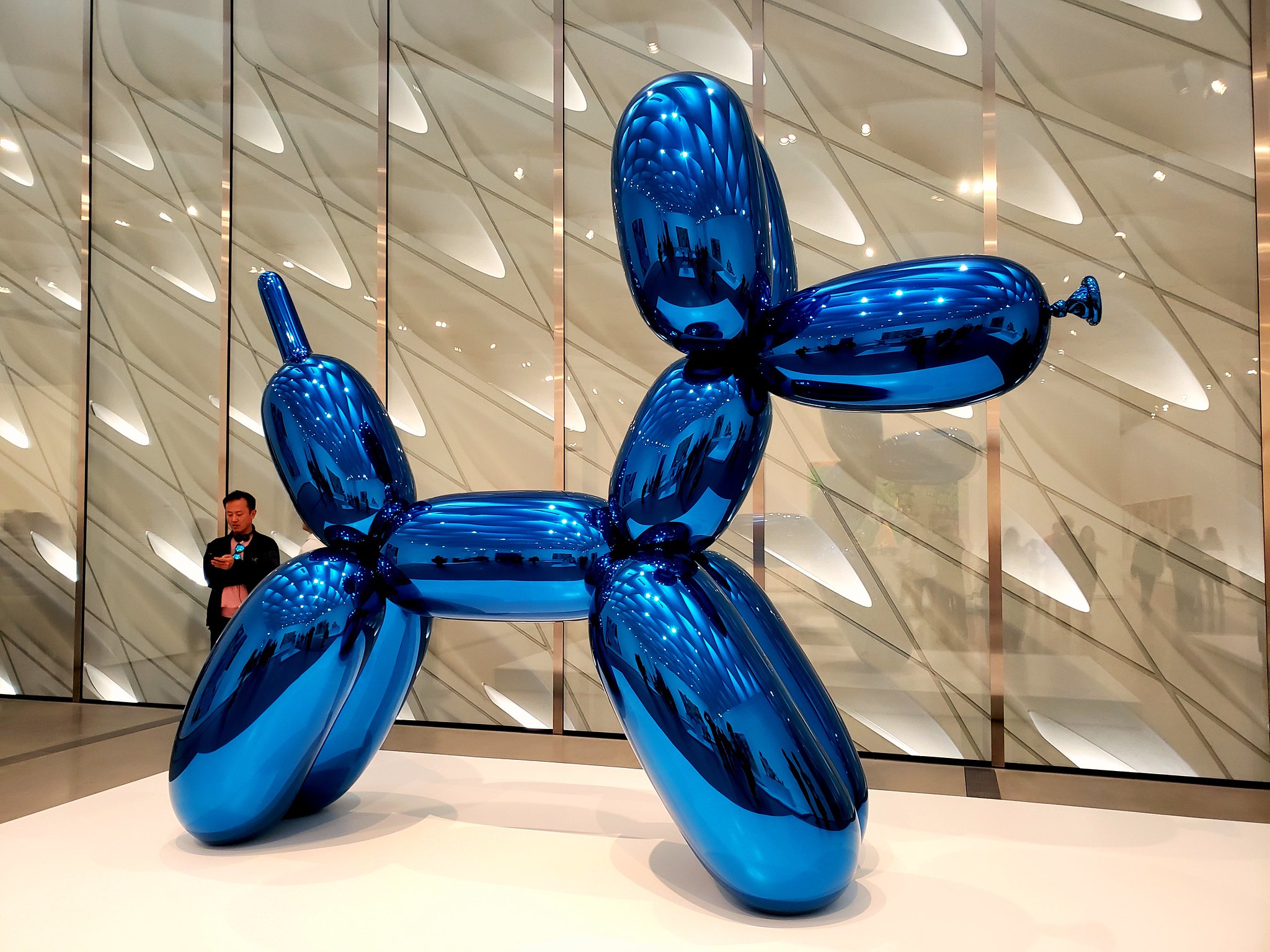
Walking into the room where the Balloon Dog stands, its presence is undeniable. The sculpture’s stainless steel surface gleams under the gallery lights, reflecting the world around it with a modern elegance. Its bold, playful form resembles a balloon animal, evoking a nostalgic sense of joy and innocence.

Thad Zajdowicz – Balloon Dog  – By Jeff Koons at The Broad in downtown Los Angeles

For me, the Balloon Dog embodies the essence of pop art at its finest. Jeff Koons’ ability to transform an everyday object into an iconic artwork is truly remarkable. It is a testament to his artistic vision and his mastery of shaping contemporary art in innovative and thought-provoking ways.

The Balloon Dog’s universal appeal lies in its ability to evoke profound emotions within viewers. Its vibrant colors exude a sense of vitality and optimism, reminding us of the joy and wonder that art can bring to our lives. Whether you encounter the Balloon Dog in a gallery, a public square, or even in the pages of a magazine, its impact is undeniable.

Join me as we embark on a journey to explore the captivating world of Jeff Koons’ Balloon Dog sculpture, unraveling its artistic significance, delving into the creative process behind its creation, and examining its lasting impact on contemporary art and culture.

Key Takeaways:

  • Jeff Koons’ Balloon Dog sculpture is an iconic masterpiece of contemporary art.
  • The sculpture combines elements of pop art with vibrant colors and stainless steel craftsmanship.
  • The Balloon Dog evokes emotions of joy, nostalgia, and wonder.
  • It represents Jeff Koons’ artistic vision and his ability to transform everyday objects into extraordinary works of art.
  • The Balloon Dog has made a lasting impact on the world of contemporary art, shaping the way we perceive and appreciate modern masterpieces.

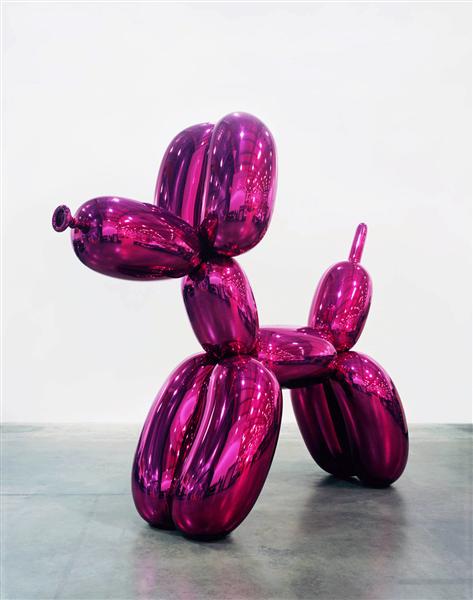
Jeff Koons, Balloon Dog, Mirror-polished stainless steel with transparent color coating, 121” x 143” x 45”.

The Pioneering Artist: Jeff Koons.

Jeff Koons

Jeff Koons is a world-renowned contemporary artist whose groundbreaking contributions to the world of pop art have made him an iconic figure in the art industry. With his innovative approach and bold artistic vision, Koons has pushed the boundaries of traditional art forms and redefined the way we perceive contemporary art.

Known for his unique ability to transform everyday objects into extraordinary works of art, Koons has created a diverse and impressive body of work that continues to captivate audiences around the globe. His use of vibrant colors, meticulous craftsmanship, and attention to detail are hallmarks of his artistic style, setting him apart as a true master.

Throughout his career, Koons has been celebrated for his ability to blur the lines between high art and popular culture, seamlessly merging elements of pop art with contemporary aesthetics. His iconic artwork, including the famous Jeff Koons Balloon dog, has become synonymous with contemporary art and is widely recognized as a modern masterpiece.

“I’ve always been interested in the viewer. Some of the works that I’ve made are about getting to a particular viewer, and other works of art that I’ve made are about taking everybody in.” – Jeff Koons

With an unwavering commitment to pushing artistic boundaries, Koons continues to inspire a new generation of artists and art enthusiasts. His ability to evoke emotion, challenge conventions, and redefine contemporary art has solidified his status as one of the most influential artists of our time.

Mastering the Art of Pop

Koons’ unique artistic vision is deeply rooted in the pop art movement. Inspired by artists such as Andy Warhol and Roy Lichtenstein, Koons embraces the use of popular imagery, consumer culture, and mass production techniques in his artwork.

His reinterpretation of everyday objects, such as the Balloon dog, showcases his ability to elevate the ordinary into the extraordinary. By highlighting the aesthetic beauty and cultural significance of these objects, Koons challenges traditional notions of art and invites viewers to engage with the familiar in a new and thought-provoking way.

Through his relentless pursuit of innovation and his commitment to pushing artistic boundaries, Koons has established himself as a true pioneer in the world of contemporary art. His iconic artwork, including the Jeff Koons Balloon dog, continues to resonate with audiences worldwide, solidifying his place in art history as a visionary artist.

Exploring Koons’ Artistic Journey

From his early works in the 1980s to his more recent creations, Koons’ artistic journey is a testament to his unwavering passion and dedication to his craft. He has fearlessly explored various mediums and techniques, including sculpture, painting, and installation art, leaving an indelible mark on the contemporary art scene.

Each of Koons’ artworks tells a unique story, inviting viewers to embark on a journey of self-reflection and discovery. His ability to evoke emotion, spark dialogue, and challenge societal norms has cemented his status as one of the most influential artists of our time.

Pop Art and its Influence on Koons’ Balloon Dog.

Pop Art

One cannot delve into the world of Jeff Koons’ Balloon Dog sculpture without acknowledging the significant influence of the pop art movement. Pop art, a prominent art movement that emerged in the 1950s and gained popularity throughout the 1960s, sought to blur the boundaries between high and low culture by incorporating elements of mass media, consumerism, and everyday objects into art.

Koons, known for his innovative approach to contemporary art, masterfully infused the principles of pop art into the creation of his iconic Balloon Dog. By taking everyday, mundane objects and transforming them into captivating and thought-provoking artworks, Koons showcased his ability to challenge traditional notions of artistic expression.

The Balloon Dog itself is a testament to Koons’ engagement with pop art. With its smooth, reflective stainless steel surface and vibrant colors, the sculpture embodies the spirit of pop art’s celebration of popular culture and consumerism. In a way, it acts as a modern-day totem, representing the cultural significance of everyday objects and their ability to capture and reflect society’s collective imagination.

“Pop art looks out into the world. It doesn’t look like a painting of something, it looks like the thing itself.” – Jeff Koons

Koons’ Balloon Dog not only pays homage to the pop art movement but also transcends its boundaries. It takes the concept of everyday objects and elevates it to the realm of fine art, challenging viewers to reconsider their preconceived notions of what constitutes artistic value. With its larger-than-life presence and undeniable visual impact, the Balloon Dog has become an iconic artwork, capturing the essence of our contemporary culture and sparking dialogue about the nature of art itself.

In the next section, we will explore the intricate process behind the creation of the Balloon Dog sculpture, shedding light on the craftsmanship and technical expertise that bring Koons’ artistic vision to life.

The Creation Process: From Vision to Reality.

Art Critique of Jeff Koons' Sculptures

In the creation process of Jeff Koons’ iconic Balloon Dog sculpture, meticulous attention to detail and innovative techniques bring this vibrant artwork to life. Koons’ visionary approach, combined with his masterful use of stainless steel, result in a captivating masterpiece that defies artistic boundaries.

From the initial concept to the final execution, the creation of the Balloon Dog involves a series of intricate steps that showcase Koons’ dedication to perfection. Each stage of the process contributes to the sculpture’s impeccable form and aesthetic appeal.

Conceptualization and Design

At the heart of every artistic endeavor lies the foundation of a creative vision. In the case of the Balloon Dog, Koons draws inspiration from the whimsy and joy evoked by the simple, yet nostalgic, balloon animal. Through meticulous sketching and prototyping, he refines the sculpture’s proportions, ensuring an accurate representation of the inflated balloon form.

Material Selection: The Beauty of Stainless Steel

One of the defining features of the Balloon Dog sculpture is the use of stainless steel. This choice of material not only bestows a lustrous finish to the artwork, but it also symbolizes durability and timelessness. The reflective surface of stainless steel captures the essence of the balloon’s surface, creating a sense of movement and fluidity.

Technical Expertise: Crafting Each Curve and Contour

The fabrication process involves a skilled team of artisans who work closely with Koons to bring his vision to fruition. Every curve and contour is meticulously formed by hand, ensuring precision and attention to detail. The use of advanced sculpting techniques allows for the seamless integration of each component, creating a cohesive and visually striking artwork.

Finishing Touches: Polishing and Assembly

Once each individual element is painstakingly crafted, the Balloon Dog undergoes a meticulous polishing process to enhance its reflective qualities. Each section is then meticulously assembled, culminating in the final sculpture that embodies Koons’ artistic mastery.

The creation process of Jeff Koons’ Balloon Dog sculpture showcases the artist’s unwavering dedication to craftsmanship and innovation. Through his use of stainless steel and meticulous attention to detail, Koons brings his artistic vision to life, resulting in an iconic artwork that continues to captivate audiences around the world.

The Symbolism of the Balloon Dog.

Balloon Dog sculpture auction sales

As we delve deeper into the enchanting world of Jeff Koons’ Balloon Dog, it becomes evident that this iconic artwork goes beyond its vibrant colors and whimsical appearance. The symbolism embedded within the sculpture creates a profound emotional connection with viewers, transcending the boundaries of contemporary art.

Through the use of vibrant colors, Koons invites us to embrace the joyous and playful nature of the Balloon Dog. The bold, primary hues evoke a sense of childlike wonder and exuberance, reminding us of the innocence and simplicity often lost in the complexity of modern life.

“The Balloon Dog acts as a totem of happiness and celebration, symbolizing the essence of joy and optimism in a world that can sometimes feel fragmented and disillusioned.”

The seamless mirror-like surface of the Balloon Dog reflects not only our physical presence but also our emotions and experiences. It serves as a mirror to our own lives, encouraging introspection and self-reflection. The balloon itself, a symbol of temporary amusement, resonates with the fleeting moments of joy that we encounter throughout our journey.

Moreover, the Balloon Dog holds a deeper meaning in its transformation of a mundane, mass-produced object into an iconic work of art. It challenges our perception of value and beauty, prompting us to question the boundaries of artistic expression and the role of contemporary art in society.

Jeff Koons’ Balloon Dog is not merely a sculpture; it is a catalyst for dialogue. It sparks conversations about the nature of art, the power of symbolism, and the enduring appeal of vibrant colors. Its presence in public spaces and prestigious art collections serves as a testament to its significance in shaping contemporary art and inspiring future generations of artists.

The Emotional Impact of Balloon Dog

The Balloon Dog elicits a wide range of emotional responses from viewers. While some may experience a sense of lightheartedness and delight, others might find a deeper connection, tapping into memories of childhood innocence and carefree days. Its versatility allows each individual to interpret its symbolism in a personal and meaningful way.

The Balloon Dog in Popular Culture

The Balloon Dog has infiltrated popular culture, becoming an instantly recognizable symbol of contemporary art. Its vibrant colors and distinctive form have been featured in fashion, design, and media, solidifying its status as a cultural icon.

Popularity Recognition Influence
Widely celebrated and sought after by art enthusiasts and collectors worldwide. Established Jeff Koons as one of the most influential artists of his generation. Inspired a new wave of contemporary artists to explore unconventional materials and challenge artistic conventions.
Featured in numerous exhibitions, museums, and public spaces, captivating audiences and sparking dialogue. Received critical acclaim and recognition for its innovative concept and execution. Pioneered the use of stainless steel as a medium for large-scale sculptures.
Replicas and inspired artworks have gained popularity in various forms of media, including films, advertisements, and music videos. Represents a seminal work in the pop art movement, captivating audiences with its boldness and iconic status. Continues to influence and inspire contemporary artists, challenging traditional notions of art and aesthetics.

The Impact of Koons’ Balloon Dog on Contemporary Art.

Jeff Koons’ Balloon Dog has left an indelible mark on the world of contemporary art, redefining the boundaries of artistic innovation and captivating audiences worldwide. With its iconic status as a modern masterpiece, this captivating sculpture continues to shape the way we perceive and appreciate contemporary art.

The Balloon Dog’s unique blend of pop art aesthetics and meticulous craftsmanship showcases Koons’ artistic brilliance. Its stainless steel construction, vibrant colors, and larger-than-life scale epitomize the artist’s commitment to creating visually arresting works that challenge conventions and provoke thought.

Influence on Artists

Since its creation, Koons’ Balloon Dog has served as a source of inspiration for countless artists seeking to push the boundaries of their own creativity. The sculpture’s ability to seamlessly blend whimsy and sophistication has influenced a new generation of contemporary artists, sparking a wave of innovative works that emulate its spirit and audacity.

Shift in Artistic Appreciation

The Balloon Dog’s monumental impact goes beyond influencing individual artists—it has also transformed the broader public’s perception of contemporary art. By creating an artwork that is simultaneously accessible and thought-provoking, Koons has shattered the notion that contemporary art is exclusive or elitist. The Balloon Dog has become a symbol of inclusivity, inviting viewers from all walks of life to engage with and appreciate modern art.

“Koons’ Balloon Dog challenged the traditional notions of what constitutes a work of art. Its unconventional materials and bold design revolutionized the contemporary art landscape.”

Global Recognition

The Balloon Dog has enjoyed widespread recognition and acclaim across the globe. It has been exhibited in prestigious galleries and museums, further solidifying its status as an iconic artwork. This international exposure has allowed Koons to connect with audiences from diverse cultural backgrounds and foster a shared appreciation for the power of contemporary art.

Through its monumental impact on contemporary art, Jeff Koons’ Balloon Dog has left an indelible legacy. Its influence on artists, shift in artistic appreciation, and global recognition have solidified its place as a modern masterpiece. As we continue to explore and interpret this captivating artwork, its enduring significance will continue to shape the future of contemporary art.

Exhibitions and Public Display of the Balloon Dog.

Jeff Koons’ Balloon Dog sculpture has gained worldwide recognition and captivated art enthusiasts through its numerous exhibitions and public displays. Its iconic status as a symbol of contemporary art and pop art innovation has made it a must-see for art lovers around the globe.

One of the most notable exhibitions featuring the Balloon Dog was the retrospective of Jeff Koons’ work at the Whitney Museum of American Art in New York City. The exhibition showcased the artist’s diverse body of work, with the Balloon Dog serving as a centerpiece. Visitors were enthralled by the sculpture’s vibrant colors and meticulous craftsmanship, reflecting Koons’ unwavering commitment to artistic excellence.

Another significant display of the Balloon Dog took place at the Guggenheim Museum in Bilbao, Spain. This striking sculpture greeted visitors at the entrance, inviting them to explore the transformative power of contemporary art. Its presence in such a prestigious institution highlighted its status as an iconic artwork, solidifying its place in art history.

Internationally, the Balloon Dog has been exhibited in renowned museums and art galleries, including the Tate Modern in London and the Centre Pompidou in Paris. Its ability to transcend borders and captivate audiences from different cultures is a testament to its universal appeal and the genius of Jeff Koons.

“The Balloon Dog is not just a sculpture; it is a symbol of joy, playfulness, and the power of imagination. Its public exhibitions serve as a reminder of the transformative potential of art in our society.” – Jeff Koons

The impact of the Balloon Dog extends beyond the confines of traditional art spaces. It has also been featured in public installations and outdoor exhibitions, bringing art to the streets and engaging a wider audience. From city centers to parks and public squares, the Balloon Dog has become a beloved landmark and a source of inspiration for both young and old alike.

By showcasing the Balloon Dog in various public settings, Jeff Koons invites viewers to interact with the sculpture and create their own interpretations. Its presence in the public sphere encourages dialogue about contemporary art and challenges conventional notions of what can be considered “art.”

Whether displayed in a museum or gracing the city streets, the Balloon Dog continues to enchant and delight audiences with its whimsical charm and profound artistic statement. Its widespread recognition and popularity solidify its status as an enduring masterpiece in the realm of contemporary art.

Exhibition Location Date
Retrospective: Jeff Koons Whitney Museum of American Art, New York City 2014
Guggenheim Museum Bilbao Bilbao, Spain 2008
Tate Modern London, United Kingdom 2019
Centre Pompidou Paris, France 2010

The Collectible Nature of Koons’ Balloon Dog.

One of the most captivating aspects of Jeff Koons’ Balloon Dog sculpture lies in its collectible nature. With its status as an iconic artwork in the realm of contemporary art, this masterpiece holds immense value as both an artistic investment and a coveted addition to prestigious art collections.

As a sculpture, the Balloon Dog showcases the exceptional craftsmanship and artistic vision of Jeff Koons. Its intricate design and meticulous execution in stainless steel make it a true testament to the artist’s skill and dedication. The combination of vibrant colors and the whimsical balloon-like form of the dog further adds to its allure.

“The Balloon Dog is not just a sculpture; it is a symbol of our contemporary art culture, embodying the essence of Jeff Koons’ distinctive style and vision.”

Due to its significance in contemporary art and the global recognition of Jeff Koons as an influential artist, the Balloon Dog has become highly sought after by collectors. Its limited editions and distinctive aesthetic contribute to its exclusivity, making it a prized possession for art enthusiasts.

When considering the collectible nature of Koons’ Balloon Dog, it’s important to acknowledge its representation of the evolving art market. This iconic artwork has not only captured the hearts of art connoisseurs but has also made a significant impact on the valuation and acquisition of contemporary sculptures.

The Balloon Dog’s desirability as a collectible piece is further accentuated by its widespread appeal and recognition. Its presence in prestigious galleries, museums, and public spaces around the world has contributed to its status as a must-have masterpiece for avid art collectors.

The Valuation of Koons’ artworks

When discussing the collectible nature of the Balloon Dog, it’s essential to consider the artist’s general valuation. Over the years, all his sculptures have achieved substantial prices at art auctions and private sales, reflecting their enduring appeal and investment potential.

Notable Sales Price
1. Rabbit (silver) – 2019 $91,75 million
2. Balloon Dog (Orange) – 2013 $58.4 million
3. Tulips – 2012 $33,7 million
4. Jim Beam – J.N Turner Train – 2014 $33,6 million
5.Play-Doh – 2018 $16,9 million

These record-breaking prices demonstrate the immense value placed on Koons’ sculptures. Their exceptional prices not only reflect the importance of this artwork within contemporary art history but also solidify its status as a highly coveted collectible masterpiece.

For art collectors, owning a Balloon Dog sculpture represents a unique opportunity to possess an iconic artwork that not only resonates with personal appreciation but also holds considerable investment potential. As the demand for Koons’ Balloon Dog continues to grow, the value of these sculptures is expected to appreciate, making them a valuable addition to any art collection.

Cultural Impact and Media Attention.

In the world of contemporary art, few works have garnered as much cultural impact and media attention as Jeff Koons’ Balloon Dog. This iconic artwork has transcended the boundaries of traditional sculpture, captivating audiences and shaping public perception of modern masterpieces.

The Power of Contemporary Art

Contemporary art has the unique ability to provoke thought, stir emotions, and challenge societal norms. Through his Balloon Dog sculpture, Koons has successfully bridged the gap between high art and popular culture, appealing to a broad audience and redefining the boundaries of artistic expression.

“Koons’ Balloon Dog is a testament to the power of contemporary art to captivate, inspire, and challenge our perceptions. It’s both a celebration of the familiar and a commentary on the nature of art in the modern world.” – Art Critic

A Global Sensation

From its debut on the global art stage, Koons’ Balloon Dog has attracted the attention of art enthusiasts, collectors, and the media worldwide. Its vibrant colors and mirror-like stainless steel surface continue to create a sense of awe and wonder, captivating viewers of all ages and backgrounds.

This iconic artwork has caught the eye of renowned museums, prestigious galleries, and private collectors, cementing its status as a contemporary art sensation. Its presence in major exhibitions and public displays has further amplified its cultural impact, sparking conversations about the meaning and value of art in today’s society.

Media Spotlight and Controversy

The media attention surrounding Koons’ Balloon Dog has been both positive and controversial. As a groundbreaking artist, Koons has faced scrutiny and critique while also being celebrated for his innovative vision. The media spotlight has provided a platform for diverse perspectives, creating a dialogue about the role of art in society.

“Koons’ Balloon Dog has ignited discussions about the commercialization of art and the boundary between artistic expression and mass consumer culture. It forces viewers to question and reevaluate their own preconceptions.” – Art Historian

A Catalyst for Change

Koons’ Balloon Dog has not only transformed the way we perceive contemporary art but has also inspired a new generation of artists to push boundaries and experiment with unconventional materials and subjects. Its influence can be seen in the works of emerging artists who continue to challenge traditional artistic norms.

Whether debated, admired, or interpreted, the impact of Koons’ Balloon Dog on contemporary art and popular culture is undeniable. Its ability to spark dialogue, evoke emotions, and redefine artistic boundaries solidifies its place as a modern masterpiece that continues to captivate the imagination of art enthusiasts around the world.

The Enduring Legacy of the Balloon Dog.

Jeff Koons’ Balloon Dog sculpture has undoubtedly left an indelible mark on the world of contemporary art. This iconic artwork continues to captivate audiences, showcasing Koons’ brilliance as an artist and the enduring appeal of his modern masterpiece.

Since its creation, the Balloon Dog has become synonymous with contemporary art, representing the intersection of creativity, innovation, and pop culture. Koons’ ability to transform a familiar object into a captivating work of art exemplifies his status as a true visionary.

The Balloon Dog’s continued relevance and prominence can be attributed to its ability to resonate with viewers on multiple levels. The sculpture’s vibrant colors evoke a sense of joy and playfulness, while its larger-than-life scale commands attention and awe.

“The Balloon Dog is a testament to Koons’ mastery in merging high and low culture, creating a bridge between the art world and the everyday.”

With each exhibition or public display, the Balloon Dog attracts both art enthusiasts and casual viewers, sparking conversations and provoking emotional responses. Its symbolically charged form invites interpretation, allowing viewers to form personal connections and explore the boundaries of contemporary art.

Koons’ Balloon Dog serves as a reminder of the transformative power of art. Its enduring legacy extends far beyond the boundaries of the visual arts, influencing the cultural landscape and shaping the way we perceive and appreciate modern masterpieces.

As the years pass, the Balloon Dog remains a symbol of Koons’ artistic genius, a testament to his innovative spirit and unwavering commitment to pushing boundaries. Its iconic status solidifies its place in the art world, ensuring its continued significance for generations to come.

The Impact of Koons’ Balloon Dog

Table: Comparative Analysis of Prominent Contemporary Artworks

Artwork Artist Year Medium
Balloon Dog Jeff Koons 1994 Stainless Steel
Shark Damien Hirst 1991 Glass Tank, Formaldehyde Solution
Untitled Cy Twombly 1970 Acrylic, Oil, Graphite on Canvas

In a comparative analysis of prominent contemporary artworks, the Balloon Dog stands out for its ability to transcend the art world and capture the public’s imagination. Its vibrant colors and playful form differentiate it from renowned artworks, such as Damien Hirst’s Shark and Cy Twombly’s Untitled.

While each artwork holds its own significance, the Balloon Dog’s enduring legacy lies in its ability to engage a wide range of audiences, sparking dialogue and fostering a deeper connection to contemporary art. Its iconic status as a modern masterpiece solidifies Jeff Koons’ place in art history and elevates the Balloon Dog to a level of unparalleled cultural significance.

Conclusion.

In conclusion, the Jeff Koons Balloon Dog is a remarkable embodiment of innovative pop art. With its vibrant colors, stainless steel craftsmanship, and profound symbolism, the sculpture has left an indelible mark on the world of contemporary art.

Its enduring legacy is a testament to Jeff Koons’ artistic vision and his ability to capture the imagination of both art enthusiasts and casual viewers alike. The Balloon Dog’s cultural impact and widespread recognition have solidified its status as a true modern masterpiece.

Whether on display in renowned exhibitions or as prized collectibles, the Balloon Dog continues to captivate and inspire audiences around the globe. Its iconic presence serves as a poignant reminder of the power of art to transcend boundaries and create lasting impressions.

FAQ

What is the Jeff Koons Balloon Dog sculpture?

The Jeff Koons Balloon Dog sculpture is an iconic masterpiece created by contemporary artist Jeff Koons. It is a vibrant and larger-than-life representation of a balloon dog made from stainless steel, featuring vibrant colors that symbolize joy and playfulness.

Who is Jeff Koons?

Jeff Koons is a pioneering contemporary artist known for his groundbreaking contributions to the world of pop art. He has gained international acclaim for his innovative and thought-provoking artworks, including the iconic Balloon Dog sculpture.

How does pop art influence Jeff Koons’ Balloon Dog?

The Balloon Dog sculpture by Jeff Koons is heavily influenced by the pop art movement. Koons takes everyday objects, such as balloons, and transforms them into large-scale sculptures that challenge traditional notions of art and blur the lines between high and low culture.

How was the Balloon Dog sculpture created?

The Balloon Dog sculpture is meticulously created by Jeff Koons through an intricate fabrication process. Koons uses stainless steel to craft each individual piece of the sculpture, which is then assembled to create the final masterpiece.

What is the symbolism behind the Balloon Dog?

The Balloon Dog sculpture is rich in symbolism. The vibrant colors represent joy and celebration, while the dog itself symbolizes loyalty and companionship. The juxtaposition of the ephemeral balloon and the permanent stainless steel material also explores the themes of permanence and impermanence.

How has the Balloon Dog impacted contemporary art?

The Balloon Dog by Jeff Koons has had a significant impact on contemporary art. It has become an iconic artwork that challenges traditional artistic conventions and inspires artists and art enthusiasts alike. Its innovative and playful nature has changed the way we perceive and appreciate modern masterpieces.

Where can I see the Balloon Dog sculpture?

The Balloon Dog sculpture has been exhibited in various museums and galleries around the world, making it accessible to art lovers globally. It is often displayed as part of Jeff Koons’ solo exhibitions or featured in group exhibitions dedicated to contemporary art.

Is the Balloon Dog considered a collectible?

Yes, the Balloon Dog sculpture is highly regarded as a collectible artwork. Its status as an iconic masterpiece by Jeff Koons and its cultural significance make it a coveted addition to prestigious art collections. It is often sought after by art collectors and investors who recognize its artistic and financial value.

How has the Balloon Dog received media attention?

The Balloon Dog sculpture has garnered significant media attention due to its unique and captivating design. It has been featured in numerous art publications, newspapers, and online platforms, sparking discussions and debates about contemporary art and the role of popular culture in the art world.

What is the enduring legacy of the Balloon Dog?

The Balloon Dog sculpture has a lasting legacy in the art world. It continues to inspire and captivate audiences, showcasing the power of contemporary art to evoke emotions and provoke thought. Its influence on the perception of pop art and its place in art history solidify its status as a modern masterpiece.

Add to cart