Contemporary Art Investment

Contemporary Art Investment

My love for art has grown into a deep understanding of contemporary art investment trends. Exploring the modern art scene, I’ve noticed a big change. Now, investing in art is not just for personal taste. It’s a key way to diversify a portfolio with art. The U.S. stands out here, with its strong economy and vibrant culture boosting the art market.

Getting into lucrative art investments means more than just buying art. It’s a smart way to protect and increase wealth. The draw of contemporary art goes beyond looks. It connects real assets with the joy of owning a piece of history. I’m excited to share why smart investors are adding art to their financial plans.
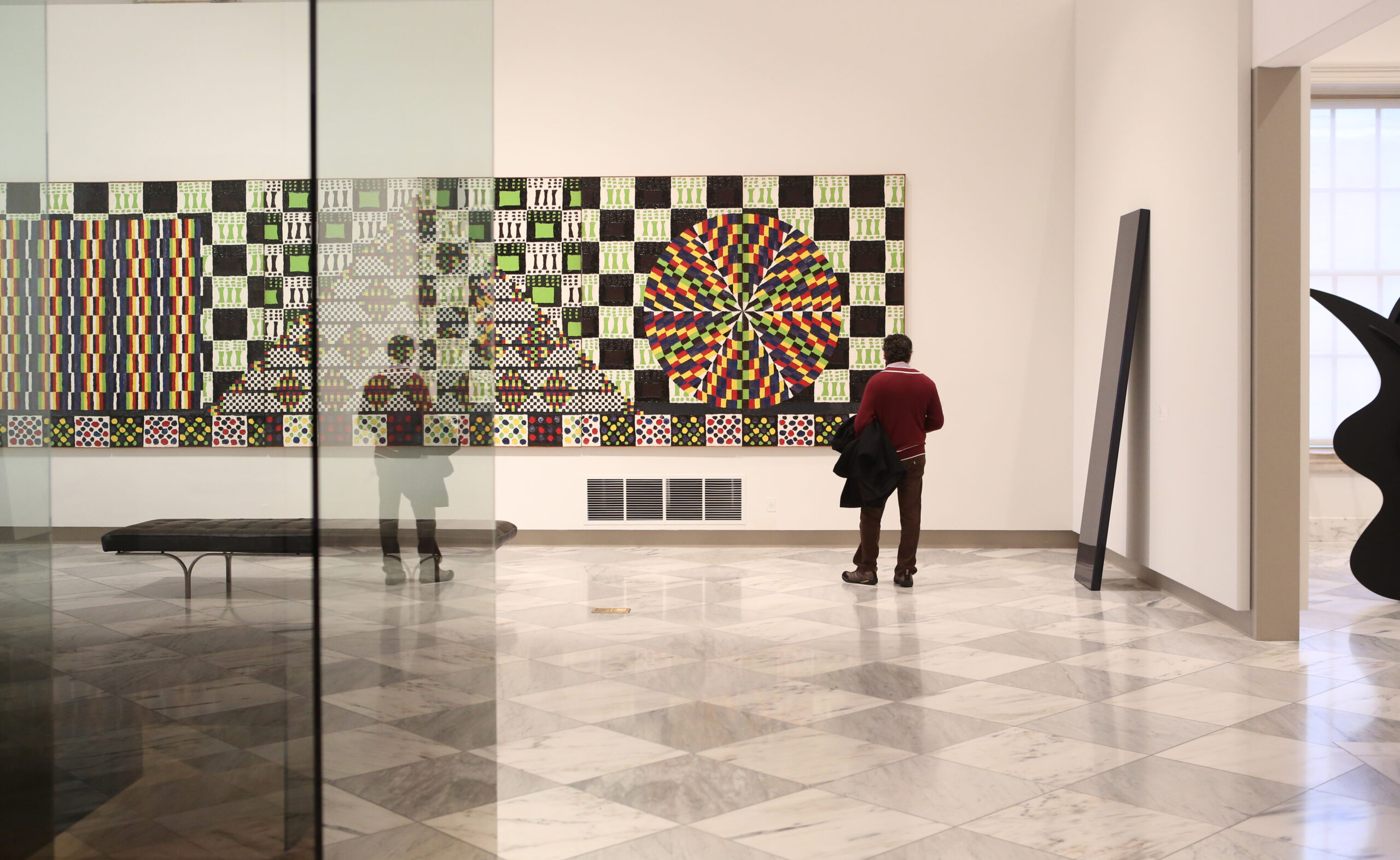
Contemporary Art Galleries, Smithsonian American Art Museum

Key Takeaways

  • Contemporary art is great for diversifying portfolios.
  • Economic and cultural growth in the U.S. impact art investments.
  • Today’s art can turn into tomorrow’s profitable collectibles.
  • Insights into the U.S. contemporary art market strategies.
  • How art plays a role in growing and protecting wealth.

Understanding Contemporary Art as an Investment

Contemporary art is an exciting field for investing. It stands out among other investments because of its unique qualities. These include the forms and expressions that are always changing. This makes it different from investing in things like stocks.

Defining Contemporary Art within the Investment World

When we talk about defining contemporary art investment, it’s key to note its various aspects. This art style is known for its freedom and its focus on current issues. Adding contemporary art to investment choices can make portfolios more varied.

It not only brings beauty but also the possibility of increasing in value over time.

The Appeal of Contemporary Art to Modern Investors

The attractiveness of contemporary art comes from its resonance with today’s culture. It fits well into modern investment plans. Its role as a symbol of success is attractive. Plus, besides making money, owning contemporary art can bring you joy and prestige.

These factors show why investing in contemporary art could be good for expanding your financial options.

The Growth of the Art Market and Its Impact on Investors

Looking into how the art market is growing provides a lot of interesting information. It shows how the growth affects both what people invest in and how art is valued. This movement not only changes what people invest in but is also important in setting art prices.

Recent Art Market Trends and Statistics

The art market has been getting bigger. Stats show that across the art world, prices are going up fast. More people are getting into buying art, and the value of art is climbing. The rise of digital platforms for art is also changing the game.

How Market Expansion Affects Art Valuation

With the market growing, the worth of art is changing a lot. Rare and top-quality works are more in demand, which drives their prices up. This is good news for those who own such pieces.

It’s key to look at how these changes influence investment strategies. People investing in art are working to make their money grow.

Year Market Value ($ Billion) Percentage Growth
2018 45 5%
2019 48 6.7%
2020 50 4.2%
2021 65 30%
2022 72 10.8%

These numbers highlight the growth of the art market. They show how being smart with investments and really understanding the market can lead to big gains. Art valuation methods and the market’s growth point towards a bright future for those investing in art, both new and experienced.

An Exhibition at Istanbul Modern 

Strategies for Investing in Emerging Artists

Exploring the art investment scene shows how key it is to look at new artists. Investment strategies for new artists offer a chance to grow with emerging talents. I share tips from big collectors and my own insights for success in this exciting art section.

Investing in emerging artists means staying well-connected with the art world. Attend gallery openings, fairs, and shows to find artists who stand out. Talking to curators and critics helps you catch on to new trends early.

  • Regular visits to recognized and underground galleries
  • Engagement in art community events and discussions
  • Building connections with up-and-coming art curators and critics

Investing in emerging art has big potential, but also risks. Spreading your investments can lower these risks. Start small to see how an artist’s work does in the market.

Investment Strategy Benefits Associated Risks
Diverse Portfolio Allocation Reduces risk, potential for higher cumulative gains Requires extensive market knowledge and tracking
Direct Artist Engagement Early access to works, potential for personal artist relationships Higher unpredictability in artist success
Focus Investments
(single artist or style)
Deep understanding and potentially higher influence on market acceptance Increased exposure if the selected artist or style does not perform well

Staying up-to-date with the art market is vital when investing in emerging artists. Use market info and trend analysis for smart investment strategies for new artists. Art research tools can help you make better decisions, boosting your emerging art investment potential.

For me, investing in art is about more than money. It’s also about enriching culture by backing the arts. Finding and supporting new artists is incredibly rewarding and reaffirms my dedication to this investment path.

Contemporary Art Investment Strategies

Understanding art investment strategies in today’s market is crucial. Whether you choose long-term art investing or dive into the quick changes of short-term art investment, each has its benefits and risks. Adding art to your investment mix can make your portfolio stronger yet more diverse.

Long-term vs. Short-term Art Investment Approaches

Long-term art investing focuses on art that may grow in value over many years. It usually means buying pieces from artists who are already well-known. On the other hand, in short-term art investment, you buy and sell quickly to make fast money. This method needs you to be updated with market trends, willing to take risks, and upfront cash.

Diversifying Your Portfolio with Art Assets

Adding art to your investment mix can help diversify your portfolio. Art’s value often doesn’t rise and fall with the stock market. This can help protect your money when traditional investments are shaky. Investing in art is not just about making money. It’s also seen as a way to enjoy beauty while strengthening your financial stand against rough times.

Investment Strategy Time Frame Risk Level Potential Return
Long-term Art Investing 10+ years Low to Moderate High
Short-term Art Investment 1-3 years High Variable
Portfolio Diversification with Art Long-term Low Stable

When we look closer at these art investment strategies, we see the choice is very personal. It depends a lot on what you aim to achieve with your money, how well you know the art market, and your commitment to being an art investor as well as a collector.
Trend 

Comparing Art to Traditional and Alternative Investments

When we think about traditional vs alternative investments, we must place art as an alternative asset in the mix. Traditionally, things like stocks and bonds were seen as stable and easy to sell. This was unlike art investments, which were less predictable and harder to turn into cash. But today, the view on comparing art investments has changed a lot.

Art as an alternative asset brings special benefits. It’s not just the beauty; it can also protect your money when prices go up. Artistic pieces might become more beautiful and more valuable at the same time. When we look at traditional vs alternative investments, we see they are not all the same when it comes to risk and how they grow or lose value.

Investment Type Pros Cons Performance in Market Downturns
Stocks Liquidity, Dividends Market Volatility Potentially poor
Bonds Stable Income, Lower Risk Interest Rate Sensitivity Moderate
Art Hedge Against Inflation, Aesthetic Value Lack of Liquidity, High Entry Cost Often resilient
Real Estate Tangible Asset, Rental Income Maintenance Costs, Property Taxes Varies by location and market conditions

This table highlights why we need to consider comparing art investments with other choices. Art can bring great awards, but it’s not simple. It’s crucial to know art’s details and the market well. Deciding to include art in a portfolio means thinking carefully about traditional vs alternative investments too.

The Role of Art Investment Funds

Art investment funds are an essential part of alternative investing today. They bring together people’s money to buy and sell art. This process aims to make a profit for the investors.

What Are Art Investment Funds and How Do They Operate?

These funds collect different types of art, chosen by experts in art and finance. They carefully pick, buy, and sell the art to get the most money back. This way, they try to make sure investors make a good profit.

Risks and Returns Associated with Art Funds

Art funds can make a lot of money, but there are big risks too. For example, the value of art might drop during tough economic times. There could also be changes in what people like or questions about the art’s origin. Still, by having a mix of art and making smart choices, these risks can be managed. This could mean making a lot of money in the end.

Component Importance in Art Funds Risk/Return Factor
Fund Management Expertise Critical for successful operation High impact on return rates
Art Selection Strategy Core to fund performance Direct correlation with investment risk
Market Timing Essential for buying and selling Significant influence on profit margins

This table shows how important these aspects are for art funds. It highlights their key role in making sure these funds work well and balance risks with possible returns.

Risks and Challenges of Art Investment

Contemporary art investment is a world full of chances and risks. Knowing the art investment risks, challenges in art investing, and contemporary art market risks is key. This applies to anyone looking at this complex investment area.

The art market’s value can change quickly. It does this based on shifts in culture, economics, and what collectors want. Problems like counterfeits and uncertain ownership histories bring legal and money loss risks. These make up some of the key challenges in art investing.

# Another big challenge is how hard it is to sell art fast without losing money. This shows why it’s crucial to have a smart plan for buying and selling artworks. Also, without a clear way to agree on an art piece’s value, the market is open to guesswork and unfair play. This adds to the contemporary art market risks.

Challenge Description Impact on Investment
Market Volatility Fluctuations in price and demand based on external cultural and economic factors. Can significantly affect the asset’s value in a short period.
Authenticity and Provenance Concerns over the genuine nature of the artwork and the history of ownership. Legal disputes and possible devaluation if the artwork is deemed not authentic.
Liquidity Concerns Difficulty in quick asset conversion to cash without financial loss. Limits flexibility in managing investment portfolio.
Valuation Challenges Lack of uniform standards in assessing art’s worth. Increases risk of overpayment and susceptibility to market manipulation.

Because of these issues, it’s really important for investors to get help from experts. Working with experienced art advisors and investment pros can help reduce art investment risks. This way, investors can learn about market changes and make a strong strategy that considers these challenges.

Analyzing Art Investment Returns

Contemporary art investment is getting more traction. Its returns are studied closely by experts. This helps them know how profitable the art market can be.

Understanding the Financial Performance of Art Investments

To understand how art performs financially, we look at a lot of data. This includes auction results, private sales, and what experts say. By looking at all this, we can predict the future of art investments.

Benchmarking Art Against Other Asset Classes

Art investments should be compared to other common investments, like stocks and real estate. This helps show where art stands. It also shows its unique advantages and risks.

Asset Class Annual Returns Risk Level
Contemporary Art 8% High
Stocks (S&P 500) 10% Medium
Bonds 5% Low
Real Estate 7% Medium

Navigating Tax Implications and Other Considerations in Art Investment

Investing in contemporary art makes your portfolio look better. It also brings unique financial benefits through art investment tax implications and tax benefits for art investors. Knowing these things can improve the money you make from buying art.

Tax Benefits and Liabilities for Art Investors

When you invest in art, figuring out taxes is very important. You can sometimes use your art buys as business expenses. This can help lower your taxes.

Some states don’t tax the money you make from selling art. This means you keep more of your profit. But, remember you might still have to pay tax on your gains from selling art pieces.

It’s smart to get advice from a tax pro who knows a lot about art investments. They can help you manage your taxes well.

Legal and Provenance Issues in Art Transactions

The law around buying and selling art is key. You need to have all the right documents and make sure the art is real. The history of the art, called the provenance, affects its value and is legally important too. Doing a complete check is crucial. It makes sure the art won’t hit legal issues or be taken back.

Dealing with the law and checking the history of art very carefully is vital. It keeps your art investments safe and valuable.

This section shared important tips on tax benefits and legal checks in art investing. Working with the law and doing proper checks helps you make more from your investments. It also lowers the risks of legal and tax problems.
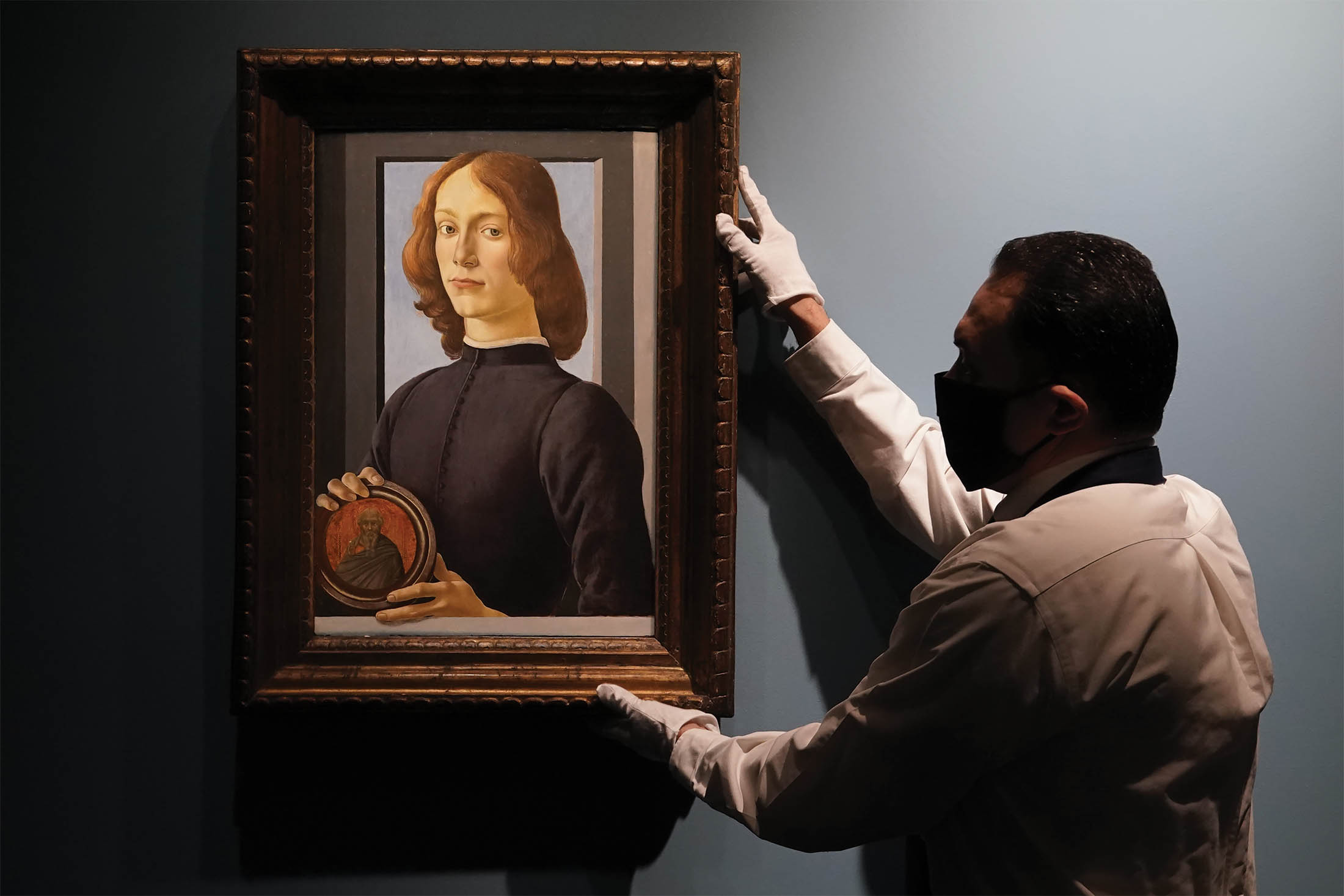
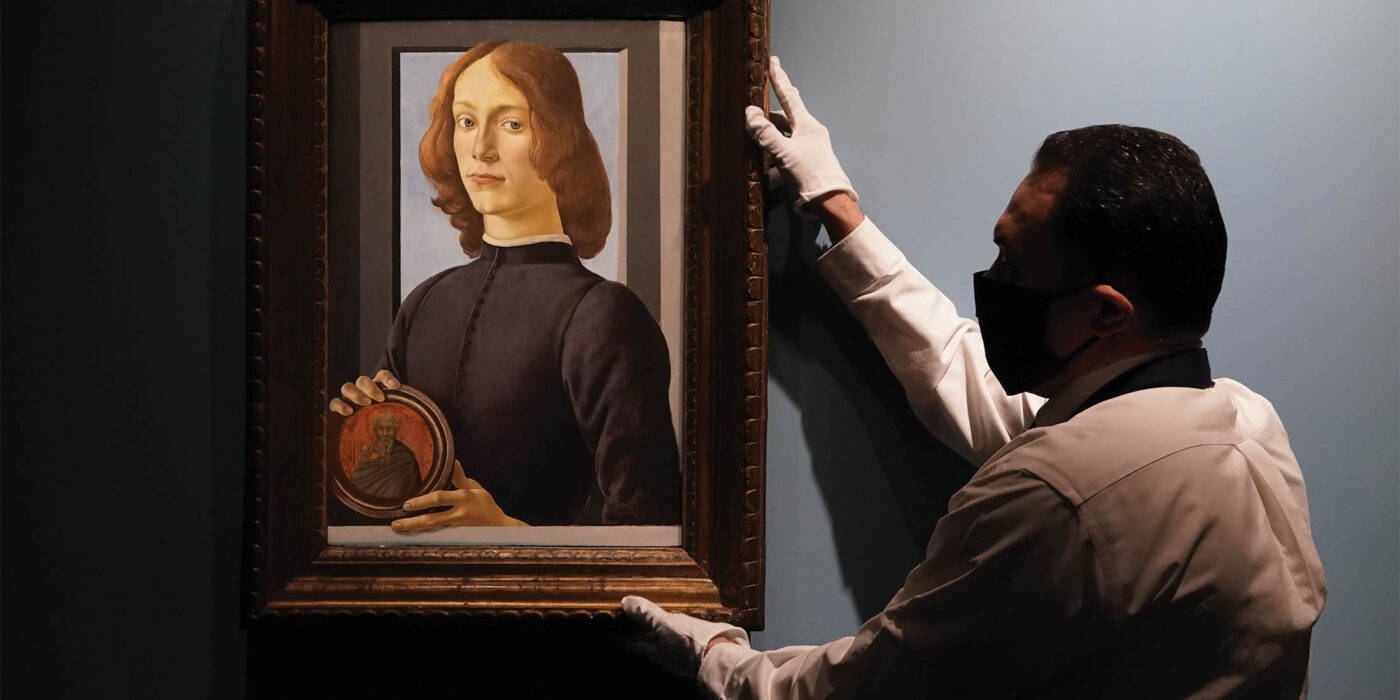
Basquiat, Beeple Drive The Year’s Top 10 Art Sales

Connecting with Art Investment Galleries

Knowing the gallery role in art investment is key for new or experienced investors. Art investment galleries offer many pieces and shape the market. They hold our hands when finding the right pieces for our tastes and goals.

For those looking at art investment galleries, certain factors boost success. These include the gallery’s repute, the quality and breadth of their art, and their investment history. By connecting with top galleries, investors can learn early about valuable pieces, possibly boosting their profits.

Gallery Services Benefits for Investors Examples
Advisory Services Personalized investment advice tailored to individual portfolios Portfolio reviews, artist recommendations
Exclusive Exhibitions Access to emerging and established artists’ works Previews and private showings
Art Market Insights Current market trends and future predictions Seminars, newsletters
Provenance Verification Ensurance of artwork authenticity and legal acquisition Certification, artwork history reports

Connect with art galleries because they meet our tastes and investment needs. Art investment galleries help investors make smart choices, find genuine pieces, and understand the market. Gallery role in art investment is pivotal. These places are crucial for advice and support in our art investment journeys.

Conclusion
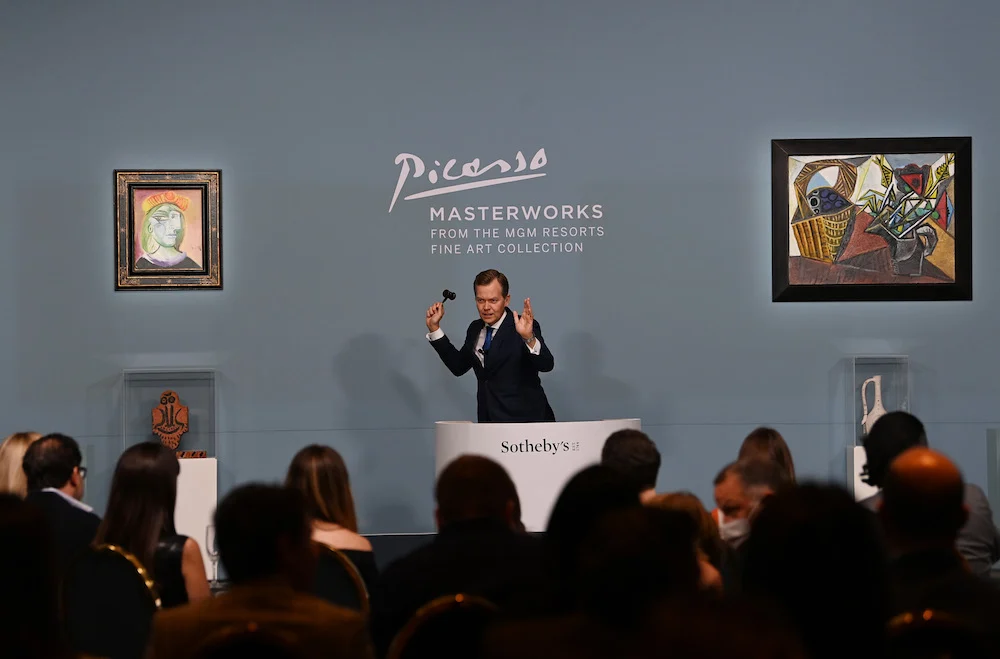
Who Were the Best-Selling Artists at Auction in 2021?

Looking back, we see that contemporary art investment is full of culture and financial power. It takes us on a journey, showing how attractive it is to today’s investor. We see how it helps to spread out risks in an investment portfolio too.

As I wrap up, it’s vital to keep up with changes in the art market. Making smart investments in art needs careful study and deep knowledge of the trends. By mixing passion with good sense, investors can benefit from both beauty and profit in modern art.

Getting into art investing wisely is both wonderful and tricky. I suggest getting deeply involved in the art scene. Yet, always protect your investments with care and expert advice. With wisdom and a bit of daring, art investing can do more than just beautify your home. It can strengthen your financial future. So, remember, investing in art is about using both your feelings and your mind. This creates a rich and diverse portfolio, just like the art world itself.

FAQ

What has contributed to the growth in popularity of contemporary art investment?

Contemporary art investment has become more popular. This change is due to several reasons. More people are wealthy now. There’s also more sharing of culture worldwide. Contemporary art is seen as a status symbol. And it’s different from traditional investments, which is a plus for many.

This popularity has also grown because of technology and social media. These tools make contemporary art more visible and easier to buy.

How do we define contemporary art within the investment world?

In the investment world, contemporary art means art made by living artists. It also includes work from the second half of the 20th century until now. Investing in contemporary art focuses on what’s trending now. This includes looking for artworks that might go up in value.

Why is contemporary art appealing to modern investors?

Modern investors like contemporary art because it can make a lot of money. It’s also cool to own. Buying art can be a smart move even when the economy isn’t good. It can make an investment portfolio safer and more fun to look at.

Contemporary art can bring big profits over time. It also lets investors connect with their interests and friends.

What recent art market trends should investors be aware of?

Investors should keep an eye on several trends. The art market is now global. Online sales and digital platforms are growing fast. Art fairs and biennales are more important than ever. Also, younger collectors are starting to shape the market.

Knowing these trends can help investors pick wisely and spot new chances.

How does the expanding art market affect art valuation?

The art market’s growth means more people want artworks. This raises prices and values. New wealth from emerging places is making some art very valuable. The digital age is also changing how we buy and value art.

What strategies can be employed when investing in emerging artists?

When investing in new artists, do your homework. Look for up-and-coming names. Going to art school shows and meeting people in the art world can help. It’s also good to keep up with what critics are saying about new art.

It takes patience to see gains from new art investments.

Can you explain long-term vs. short-term art investment approaches?

Long-term investment means holding onto art for many years. This way, the art’s value can go up steadily. Short-term investments aim for faster profits. They might buy trendy artworks and sell them again quickly.

Each approach has its own risks and rewards. The best way to invest depends on what you’re looking to achieve.

How does diversifying my portfolio with art assets work?

Adding art to your investments can lower risk. Art doesn’t always follow the stock or bond market. This can keep your investment stable. Art’s value often grows different from other assets.

How do art investment funds operate?

Art funds collect money from investors to buy and sell art. Their goal is to make a profit for everyone involved. They are run by people who know a lot about art. They choose which pieces to buy or sell to make money.

What risks and returns can be associated with art funds?

Art funds can be hard to get your money out of sometimes. They depend on the market and the art’s value. There are also special risks in the art world, like damage or questions about if an artwork is real. Despite this, making money from art can be very rewarding.

What are the financial performance indicators for art investments?

To see how well an art investment is doing, look at auction prices, private sales, and expert opinions. There are also indexes and past sales to compare. These indicators help judge if an art piece is gaining or losing value over time.

What tax implications should art investors consider?

Selling art can mean paying taxes on the profit. There might also be taxes on inherited or gifted art. But sometimes, you can get a break on your taxes if you give art away. The rules change depending on where you live and how you’re dealing with the art.

It’s smart to talk to a tax specialist who knows about art. They can help you make the best tax choices.

What legal and provenance issues should be considered in art transactions?

Buying art comes with legal challenges. There can be disputes over contracts or the history of the art. Making sure art is what it says it is, and that it’s been owned legally, is very important. It can change the art’s value and even whether you can keep it or not.

Doing your homework and getting advice from a lawyer is a good idea. This can help avoid problems with the art’s history or ownership.

How do I connect with art investment galleries?

To work with art galleries, go to shows, fairs, and auctions. Use the internet to find art investment opportunities. Meeting people in the art world can open doors to buying art early and at a good price.

Choose galleries that are known for their good advice and successful history with art. This can help you invest wisely in contemporary art.
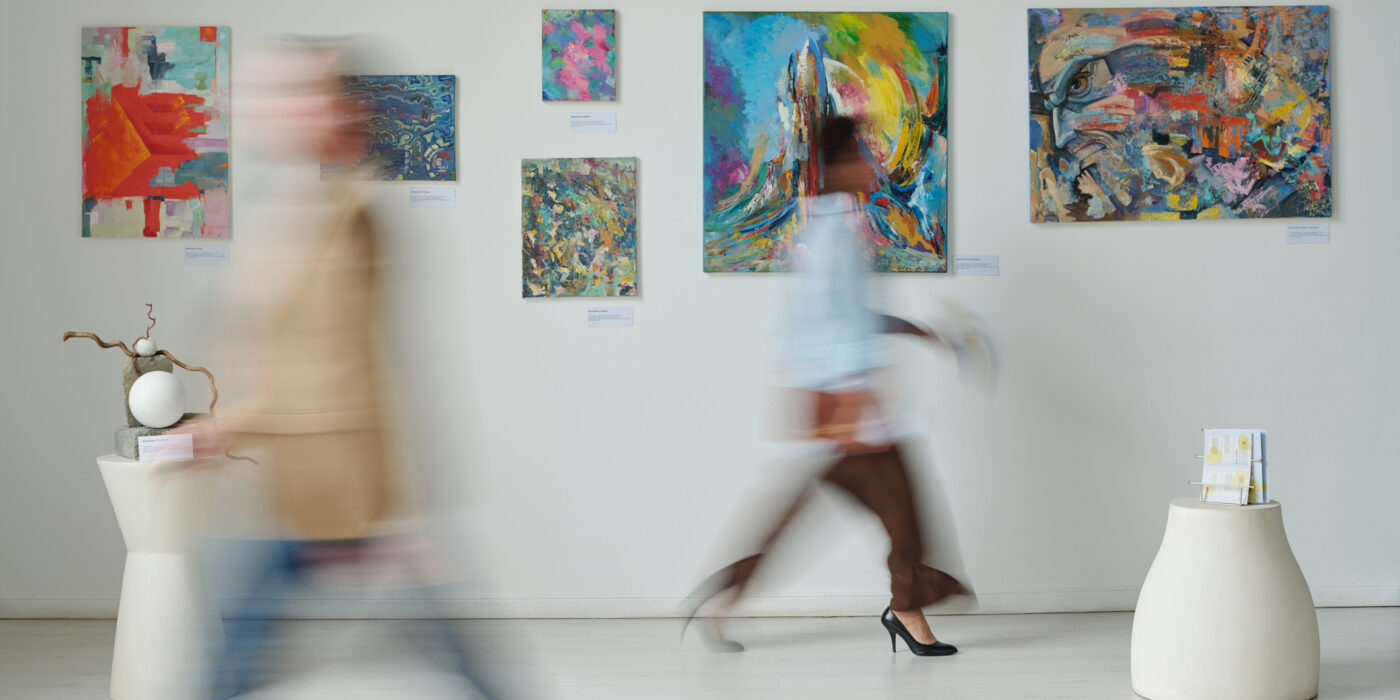
Art as an Alternative Investment

Art as an Alternative Investment

Understanding Art as an Investment

Exploring different investment paths, using art as a unique investment stands out. It’s not just about the visual appeal. Art adds a special value to financial plans. Looking deeper into the art market, its history shows surprising financial success. Some artworks have even done better than stocks and real estate over time.

Choosing the right art piece is key. It should help protect your investments against market changes and inflation. I share these insights to show how art fits in a smart investment strategy.

Key Takeaways

  • Art can serve as a strategic option to diversify a portfolio and mitigate risk.
  • Historical data suggests art investments may outperform other asset classes under certain conditions.
  • Understanding the interplay between art and traditional assets is vital for a diversified investment approach.
  • Art as an alternative investment provides a hedge against market volatility and inflation.
  • Insights into art market performance are essential for crafting an informed investment strategy.

Why Consider Fine Art Investing

Investing in fine art can blend beauty with financial gains. Adding valuable artworks to your investments can provide stable growth. This is especially true in times when the market is uncertain.

Understanding the Value of Art in Your Portfolio

Fine art is more than just beautiful things. It’s a smart way to grow your money over time. Unlike stocks or bonds, art’s value can grow with demand and as it becomes rarer.

Art’s special because it can keep or increase its value. This helps make your investments safer. Even when stock markets go down, the value of fine art may not fall.

Comparing Art with Traditional Investments

Unlike stocks, fine art doesn’t always lose value when the stock market does. This can help protect your money. Owning art can give you more peace during uncertain times. It’s because you have something real, not just paper assets.

In the long run, fine art can increase in value. It also makes your portfolio more stable. Starting in fine art investing can be interesting and rewarding. It connects you with things that are not only beautiful but also valuable in history and financially.

Navigating the Art Market Trends

Exploring the changes in the art world’s dynamics is key today. It’s vital to see how worldwide economic shifts and culture changes affect the art market. These global events show us how complex and ever-changing this sector truly is.

Analyzing Recent Developments in the Art Scene

Lately, the art market has transformed significantly, thanks to digital art and online sales. We’ve seen the growth of virtual galleries and experiences using augmented reality. This has made art more accessible, letting people worldwide interact and invest in it.

The COVID-19 outbreak even pushed this digital change further, highlighting the art market’s adaptability. It showed just how resilient the market can be.

Impact of Global Economics on Art Values

World economics have a major effect on art, changing how we see the value of pieces and how investors act. During economic downturns, there’s often a focus on investing in tangible assets like art. It’s seen as a safer option than the stock market’s volatility.

Additionally, shifts in currency values and trade policies impact international art’s pricing and accessibility. This affects auctions and private sales alike.

Global Event Impact on Art Market Example
Pandemic Outbreak (COVID-19) Increased online art sales and virtual engagements Digital art platforms see a surge in user interaction
Economic Sanctions/Trade Agreements Affects international art pricing and availability Changes in tariffs impact import/export of artworks
Currency Fluctuations Alters the cost-effectiveness of investing in foreign art markets Stronger dollar makes European art more affordable to U.S. collectors

Art Auction Insights: A Deeper Look

Exploring art auctions can be thrilling for those keen on art investment strategies. It lets you understand the dynamics at play in high-stakes settings. This knowledge can help you make choices that boost your art portfolio’s value. We’ll look at the key factors behind successful art auctions and how to use them for better investment skills.

After going to many top auctions, I’ve seen how patterns and strategies influence buying and selling. Art auction insights go beyond the final price. They focus on the psychological and market forces that shape auction results. I’ve noticed important aspects like:

  • The historical significance of the artwork
  • The rarity and condition of the piece
  • Current market demand for similar styles or artists
  • The reputation of the auction house

Understanding these elements is key to smart art investment strategies. It helps investors forecast market trends and make wise decisions. Watching auction trends also shows which art types are gaining interest and which are losing value. This aligns with broader economic trends.

Artwork Type Recent Price Trends Future Investment Potential
Impressionist Paintings Rising High
Contemporary Sculptures Stable Moderate
Vintage Photographs Declining Low

Looking at art auction insights shows how sales and auctions mirror market changes. By closely following auctions and understanding why artworks fetch certain prices, I improve my investment strategy. This makes it more in tune with current and past trends. This focused approach is vital for anyone aiming for success in art investment.

10 New Artist Auction Records Set in May 2023 | Artsy

Building an Art Asset Portfolio

Art can be a smart part of your investment plan. It goes way beyond just looking pretty. By managing your collection well, you can balance your portfolio and make your wealth grow. It’s about picking the right pieces and staying up-to-date with what’s popular.

Diversifying through art means mixing up styles, times, and artists. This mix helps you deal with market ups and downs. Also, keeping an eye on what’s trending helps make your art investments more valuable.

Strategy Description Benefits
Market Analysis Assessing global art market trends to inform acquisition choices. Aligns purchases with potential growth areas, enhancing portfolio value.
Style Diversification Incorporating multiple art styles and periods. Reduces risk by not over-exposing to a single market segment.
Artist Diversity Investing in both established and emerging artists from various regions. Offers a balance between high-value blue-chip art and high-growth potential pieces.

Choosing the right artwork matches my investment goals. It’s about more than liking what you buy. Using a smart strategy helps make your collection strong and valuable. Managing art this way offers joy and growth for my portfolio.

Art as an Alternative Investment

Thinking about how art fits into investment portfolios, I’ve seen it brings a mix of risks and rewards that differ from common financial choices. Understanding the art market and its risks well can turn your investment into a success story.

In the world of art investment risks, remember that while the returns can be high, the market is unlike stocks or real estate. You can’t quickly buy or sell a piece of art like you can with stocks. Selling art requires the right time and market conditions. This waiting period is an important part of investing in art.

Investing in art should not just be seen as an opportunity, but as a journey that requires deep understanding of both the tangible and intangible variables that influence the art world.

Dealing Investment Risks

Understanding the art market is key to smart choices. Knowledge about art trends, new artists, and what collectors are into can greatly affect your investment’s success. This info is essential for both predicting returns and finding the cultural value in art, which is crucial for art as a different kind of investment.

Investment Type Volatility Liquidity Cultural Value
Stocks High High Low
Real Estate Medium Medium Medium
Art Low to Medium Low High

My support for art as an investment choice comes from its special role: adding beauty to a portfolio while also being financially stable. With solid art market insights and an awareness of art investment risks, it can bring great benefits. All it takes is a patient and enthusiastic approach.

Formulating Art Investment Strategies

Creating good art investment plans is key for dealing with the art market’s twists. We’ll show how spreading your art investments can boost your money game. Plus, we’ll explain why making deals at the right moment is a big deal.

Diversifying Investments with Art Pieces

It’s important to mix art into your money plans wisely. Spreading your money across different art types helps hold up against market changes. Mixing it up by era, style, and artist reduces the chance of a big hit if one piece doesn’t do well.

Timing the Market in Art Acquisition

Knowing when to jump into the art game can really help. It’s about buying and selling at the perfect times. Watching trends and old sale records helps snag a great deal, especially when new artists are starting to get noticed or big changes in the market are around the corner.

Strategy Description Benefits
Broad Diversification Spread investments across various styles, periods, and artists. Reduces risk and potentially smoothens return rates over time.
Strategic Timing Buying or selling based on market trends and historical data. Maximize returns by entering or exiting the market at opportune times.

Managing Your Art Collection

Being an art collector means taking care of your art collection management. This is crucial for keeping the value of your artworks high. It’s all about keeping detailed records and making sure the history of each piece is true. We’ll look at the key ways to manage these important tasks.

Documenting and Caring for Your Investments

Keeping good records of your art’s story is key. This helps in tracking the art and makes its story more engaging. Each artwork should come with a detailed file. This includes when and where it was bought, the cost, the artist’s background, and where it was shown. Such a record safeguards your investment. It also creates a rich backstory for future valuations or sales.

The Role of Provenance in Art Collection

The provenance of a piece is very important. It’s a history of who has owned it, how it was kept, and where it’s been. A strong provenance increases an artwork’s value and tells its unique story. I make sure each artwork’s provenance is clear and unbroken. This protects its authenticity and adds to its investment worth.

Documenting Category Details Included Benefits
Acquisition Artist, Title, Date, Purchase Location, Price Tracks investment and aids in authenticity verification
History Previous owners, Exhibition history, Published in Enhances narrative, confirms legality, potentially increases value
Physical Condition Conservation reports, Restoration records, Condition checks Preserves the physical integrity and appeal of the art
Valuation Appraisals, Insurance evaluations Ensures art is appropriately insured and prepares for future sale

I apply these methods to help my art collection not just last, but grow. This way, my treasures bring both beauty and value. Paying close attention to art collection management and provenance turns artworks into meaningful legacies.

Understanding Art Investment Risks

Investing in art has its challenges and risks. It’s vital to understand these risks deeply. This prepares you to manage your art collection well.

Assessing Market Volatility and Liquidity Concerns

The art market can be unpredictable. To understand its changes, look at price trends, the economy, and world events. Knowing these can help predict how stable the market is.

Selling art quickly without losing value is difficult. It’s important to know how long it might take to find a buyer for high-value pieces. This is part of managing risk in the art market.

Insurance and Protection of Art Investments

Protecting your art physically is key. Make sure it’s insured against many types of damage. This safeguards your investment against unexpected events.

Knowing and getting ready for art investment risks is smart. It helps you understand the art market better. This way, you can enjoy and protect the value of your art.

Investing in Blue-Chip Artworks

Thinking about investing in blue-chip artworks? Many see it as both a pinnacle of beauty and smart money sense. These works, from well-known artists, are more than decorations. They are key parts of a long-term investment strategy. These artworks are like top-notch bonds in the art world, offering safety and a chance to grow when the economy shifts.

Why are blue-chip artworks important for your investments? Their value tends to stay high or even go up over time. Even in tough economic times, famous artworks are sought after. This helps protect your investment during market ups and downs. Plus, adding these works to your collection connects you with a rich history and culture. This can also boost the value of your collection.

  • Stable Value: Blue-chip artworks historically retain or appreciate their value over time.
  • Prestige: Owning renowned artworks elevates the cultural stature of one’s collection.
  • Growth Potential: Select artworks have shown to yield high returns, thereby enriching a long-term investment strategy.

For me, investing in blue-chip artworks has mixed joy with good returns. They enrich my collection and my finances. If you’re interested in deepening your portfolio and love for art, consider these top-tier artworks. It’s about linking your love for art with a smart investment plan. Together, they create a rewarding path for your money.

Art Industry News: A Wave of Blue-Chip

Emerging Art Markets: Opportunities and Challenges

Focusing on new art markets lets investors explore fresh ideas full of promise. These developing areas offer chances for both old hands and newcomers to make profitable investments. But, there are unique hurdles that need a careful, smart approach to overcome.

Spotlight on New Artists and Regions

Newcomers in the art world are changing how we see things. They offer new stories and ways to create that catch the eyes of those adding art to their collections. It’s vital to know which areas are up and coming if you’re eyeing art for its potential growth.

Evaluating Potential in Emerging Art Markets

Assessing the potential in these new markets involves looking at a few things. Things like how stable the government is, if the economy is growing, and the changes happening culturally are key indicators. As these markets grow, they might offer big rewards to the savvy investors.

Understanding the trends and what people want both locally and globally is crucial. It means doing the homework and talking to experts. Insights from detailed research and expert advice can help predict where these markets are headed.

Conclusion

Face Value

Exploring the art world shows us that fine art investing is more than just showing off culture. It’s a smart way to grow your art asset portfolio. This journey teaches us deep lessons. We learn to see beyond the surface of art pieces.

We discover the value in famous artists’ works. And we also find excitement in up-and-coming talents. This mix of careful thinking and deep passion is the key to success in this area.

Buying art is not just about owning beautiful things. It takes you through history and culture. It also helps protect an investor’s money during tough times. But, it’s not without risks. You need to be careful of market changes, and only buy pieces with clear backgrounds.

Whether you’re a seasoned collector or new to the art world, using the right knowledge is crucial. This info can help you make wise moves in the art market. It’s about adding value and joy to your investment journey. And it calls for your creativity and courage, not just your money.

FAQ

What makes art a viable alternative investment?

Investing in art can help diversify your portfolio, reducing risks. It can protect against market swings and inflation. Fine art can offer both beauty and value over time, often doing better than stocks and bonds.

How does fine art compare to traditional investments?

Unlike stocks and bonds, fine art’s value doesn’t always move with the market. It brings its own worth and has the chance to grow significantly over the years. This makes it a solid choice even when the economy isn’t doing well.

What recent developments in the art market should investors be aware of?

Digital art sales are on the rise, affecting how art is valued. Changes in currency can also sway these values. And, shifts in what collectors want are key trends to watch, as they shape the art market.

Why are art auctions important for investors to follow?

Looking at art auctions can offer a window into the market, helping investors understand trends and demand. This knowledge can guide their buying choices, offering a glimpse into what’s popular and why.

What are some strategies for building a balanced art asset portfolio?

To balance your art investments, mix up styles and artists. It’s vital to follow market trends and stick to your investment goals, including the piece’s history and condition. Rarity and origin also play a significant role.

What risks are associated with investing in art?

Art investing comes with challenges like market ups and downs, and the art’s authenticity. Taste changes over time, so buying what you love is vital. Appraisals and proper insurance can help protect your investment.

How can one effectively manage an art collection?

Managing an art collection well involves recording, caring for, and examining the art’s history. Making smart choices about what to keep, sell, or lend can help your collection thrive.

What are the benefits of investing in blue-chip artworks?

Buying blue-chip art from renowned artists can offer long-term stability. They are recognized for their high quality and can increase in value. These works are key in a strategy for both prestige and financial gain.

Why is timing important in art investments?

In art, buying low and selling high is the name of the game. Picking the right time to buy, often when an artist is getting popular, can be very profitable. The same goes for selling when demand peaks.

How do global economics impact art value?

Global economics, such as currency changes and trade deals, can shift art values. Buyers and sellers should watch these influences to make smart decisions in the art market.

Contemporary Art Trends

Contemporary Art Trends

Being deeply involved in the art world, I’m fascinated by Contemporary Art Trends. Today, Modern Art Movements shape our cultural story. They mix various cultural influences with deep societal questions. These blend to create movements that speak to people worldwide. It’s through new methods in art that we change how we see and enjoy it.

Diving into the world of Emerging Art Styles highlights cutting-edge work. This avant-garde art challenges what we think art should be. With every step, we witness art that breaks free from the usual, pushing the limits. It’s a true Art World Innovation. It keeps art vibrant and evolving.

Contemporary Art vs Modern Art

Key Takeaways

  • Contemporary art consistently reflects and shapes cultural and societal dialogues.
  • Innovative approaches in art are expanding the horizon of traditional creativity.
  • Modern Art Movements present a dynamic spectrum of styles and philosophies.
  • Avant-garde works are pivotal to understanding the evolution of artistic expression.
  • Emerging Art Styles embody the transformative power of Art World Innovations.

The Intersection of Technology and Art

Technology is changing how we create art these days. It’s not just about using new tools. It’s also about changing what we think art is. Artists are exploring new ways to create, including digital paintings and art you can interact with.

Today, artists work with technology like it’s a partner. They create pieces that are very different from the usual. These new artworks are not just to look at. They involve us and make us think about our world in new ways.

There are digital installations that move when you move and sculptures with AI. These new forms of art make us think hard about art and technology’s limits.

Art Form Technology Used Impact on Viewer
Interactive Digital Mural Projection Mapping, Motion Sensors Engages viewers with a story that changes as they move
Robotic Sculpture AI, Robotics Changes how we see sculptures by making them interactive
VR Art Gallery Virtual Reality Opens up a new world of art that you can step into

From AR galleries to AI-driven performances, every new artwork is pushing the boundaries. These avant-garde forms change the way we experience art. They’re evolving the art scene fast, giving both creators and viewers new ways to think about art.

VRLab

The Rise of Eco-Conscious Art

Today, many artists are deeply focused on our planet’s health. They use their art to talk about big environmental problems. They use materials and practices that are kind to the Earth. This makes their art not just beautiful, but also meaningful.

This art is a call for action. It pushes boundaries and gets people thinking. It shows the world in a new light. The use of unusual materials is a big part of this. It makes people see waste as something useful.

Using Recycled Materials to Create Art

Eco-conscious art often uses things we throw away. Artists see the potential in old and used items. They turn these items into works that make us think. They inspire us to care for the Earth.

I have seen art made from old metal and glass. This art tells a story. It tells us we can build a better world. It shows us how creativity and care for our planet go hand in hand.

Highlighting Climate Change through Artistic Expression

This art goes beyond what’s pretty. It aims to raise alarm about climate change. Artists tell stories of threats to our planet. They make us stop and think about the future.

Artists want us to take action. They want us to live in ways that protect our Earth. Their works are more than art. They are a call to protect what we all share.

Contemporary Art Trends in Public Spaces

Today, public spaces are alive with contemporary art trends. They’re more than just eye-catching; they’re places where emerging art styles meet the public. This interaction is a key in bringing progressive artistic visions to everyone.

Think about large murals on buildings or artwork you can play with. These pieces make areas pretty, yes, but they also make us think. Each one tells a story about where we are today and what we care about.

City Title of Artwork Artist Year Impact
New York The Vessel Thomas Heatherwick 2019 Draws thousands, enhancing community engagement
Chicago Cloud Gate Anish Kapoor 2006 Became a cultural symbol and popular photography spot
San Francisco Cupid’s Span Claes Oldenburg and Coosje van Bruggen 2002 Sparks discussions on classical myth meeting modern landscape

Across different cities, we see the same thing. Progressive artistic visions let us enjoy beauty and talk. Public art is special because it turns our daily surroundings into shared art spaces. It welcomes everyone to enjoy and be a part of art.

Revival of Traditional Techniques in Modern Art Movements

In the art world, I’ve seen a strong comeback of old techniques mixed with new ideas. This mix isn’t just looking back; it’s a blend of tradition with today’s art, making something both classic and new.

Integrating Indigenous Art Forms into Contemporary Art

Artists are bringing old, indigenous art into their new work. They mix traditional patterns and styles with modern ideas. This mix makes our art world more varied and still pays respect to where it all began.

Modern Interpretations of Classical Art Techniques

There’s also a push to rethink how we use old art methods today. Techniques like oil painting are getting a modern twist. This mix creates new art that makes us think about both the past and the future.

Traditional Technique Contemporary Adaptation Impact on Audience
Classical Sculpting 3D Printing in Marble Expands interpretation of form and durability
Woodblock Printing Integration with Digital Art Enhances textural and narrative layers
Indigenous Weaving Interactive Installations Increases engagement through tactile and spatial exploration

This mix of old and new styles keeps our culture alive through art. It shows how art grows and changes, yet remains important over time.

Virtual Reality: A New Frontier for Emerging Art Styles

Virtual reality (VR) is changing the way we see technology and creativity. It has become a key part of art world innovations. With VR, artists can make whole new worlds that mix avant-garde art forms with the latest tech.

VR lets artists create experiences that are totally immersive. These experiences change how people think about and interact with art. They break the old rules, bringing the audience closer to the art in ways we’ve never seen before. And, because they exist in VR, these art pieces are not limited by physical space.

  • The use of VR in exhibitions that allow viewers to step into the artwork itself, enhancing engagement and understanding.
  • Development of narrative techniques that exploit VR’s spatial capabilities, offering new storytelling possibilities in art.
  • Creation of art pieces that respond dynamically to viewer movements, making each interaction unique.

More and more, we see VR changing the art world. It is a sign of how technology is helping art break new ground. VR is not just about a new way to see and feel. It’s about making art that is beyond our wildest dreams. This is a big moment for modern art.

Art World Innovations: From Canvas to NFTs

The art market is changing dramatically with NFTs. It’s not just a new trend. It’s a complete shift in how we make, buy, and see art. Now, artists can create in digital ways, connecting their work with today’s tech progress.

What are NFTs and how do they work?

The Impact of Blockchain on the Art Scene

Blockchain is changing how we do art, making it more open and diverse. Artists now have more power over their art. This change is making the art scene more alive, letting artists share their work directly with fans, and changing how art is sold and owned.

The Evolving Market for Digital Art

Digital art, with the help of blockchain, is opening new doors for artists. They can now sell their work globally, reaching more people. This has led to a buzzing community where digital innovation in art is leading the way.

Art Medium Traditional Market Mechanisms Blockchain-Enabled Market Mechanisms
Paintings Galleries, Auctions NFT Platforms, Direct Sales
Sculptures Exhibitions, Private Collectors Virtual Exhibitions, 3D Models
Digital Art Limited by medium recognition Widely recognized, Enhanced Accessibility
Photography Print Sales, Gallery Representation Digital Collectibles, Global Reach

This change is bringing together new, bold, and creative expressions with the art we know. It’s a journey that’s changing the game in the art world. With it, the audience grows, more people get involved, and the way we think of art expands.

Avant-Garde Art Forms and Their Cultural Impact

Avant-garde art forms talk deeply with modern societies. They break from old beauty standards and show new artistic ideas. These boundary-pushing creative works shake up how we see the world, sometimes changing our cultural stories and what we value.

These art styles connect with today’s ideas and beliefs. Looking at different avant-garde movements, we see they’re not just reflecting culture; they’re actively part of the conversation. This active role sparks talks that go beyond the usual art chats. It deepens our understanding of new social fads.

Art Movement Cultural Impact Key Characteristics
Neo-Expressionism Revitalizes emotional and subjective art, promoting personal connection and emotional engagement in an increasingly digital world. Intense color, aggressive brushwork, and emotive content
Digital Media Art Highlights issues of surveillance, privacy, and the digital footprint; shapes public opinion on technology’s role in society. Usage of digital technologies like virtual reality and digital projection
Conceptual Art Challenges materialism in art; emphasizes ideas over form, pushing audiences to question the nature of art itself. Abstract representations, minimalistic installations

These boundary-pushing creative works act as a mirror for our collective worries and dreams. They also challenge the status quo on beauty and thought. Avant-garde artists play a big role. They use bold progressive artistic visions to either criticize or support our cultural state. This encourages a wider, more vibrant discussion and understanding.

The impact of avant-garde art can’t be overemphasized. They push us past our usual limits, offering fresh views and feelings. This not only changes the way we make art but how we see the world. In short, these innovative works keep pushing arts and culture forward, as they’re vital for social growth.

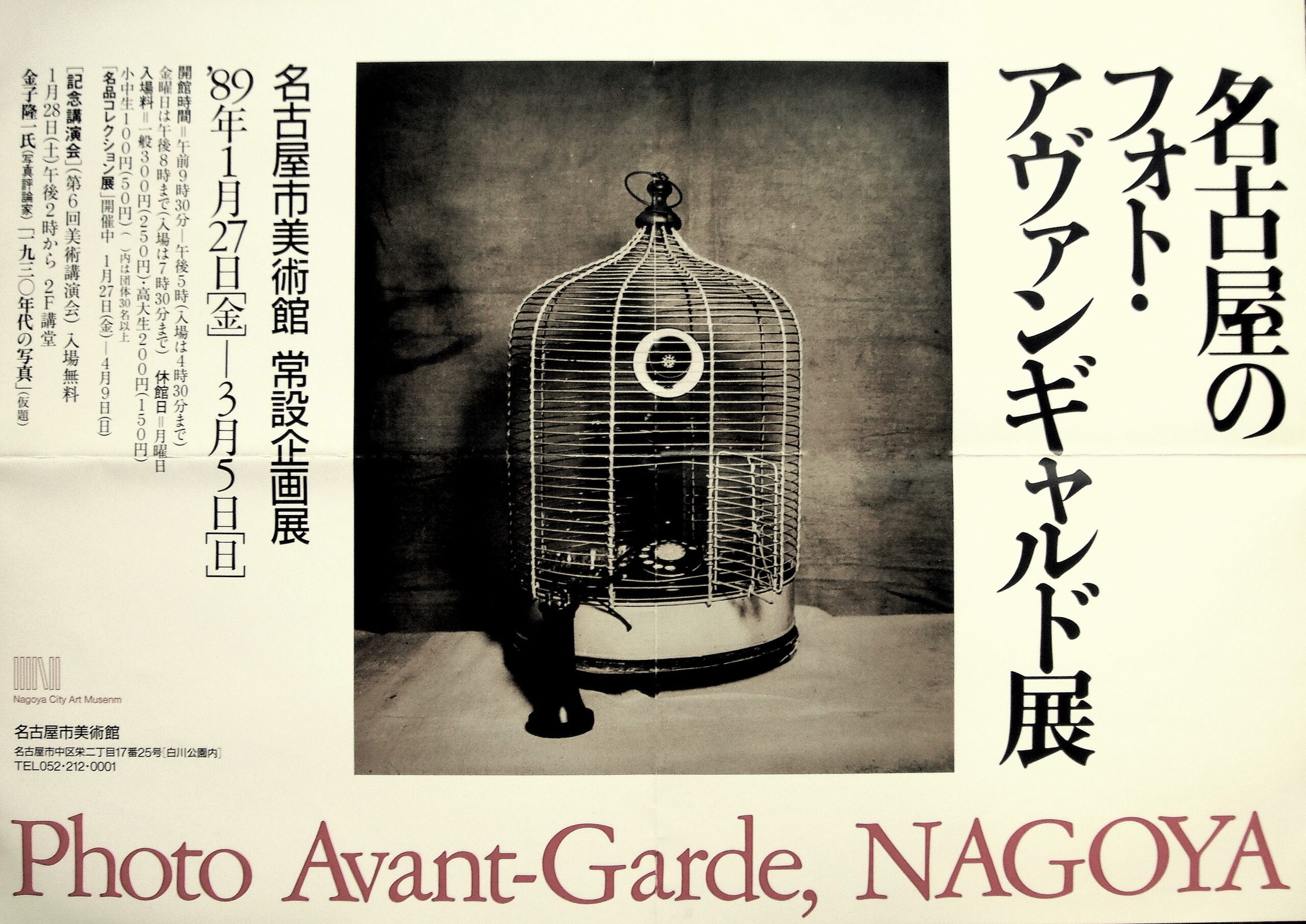
“Buddhist Temple’s Birdcage” 1940, Photo Avant-Garde

Cutting-Edge Artistic Expressions in Sculpture

Sculpture, seen as a traditional art, is now changing in exciting ways. It’s reflecting emerging art styles and using art world innovations creatively. This change makes the art form grow and evolve in new directions that are captivating and fresh.

Interactive Installations and Their Engagement with Audiences

Modern sculpture is welcoming interactive installations. These make viewers part of the art, not just observers. The art reacts to what the viewer does, making the experience unique for each person.

This active participation aims to do more than just entertain. It wants to start conversations, stir emotions, and make art more meaningful to its viewers. The goal is to engage people in a deep and personal way through the sculptures.

3D Printing: Pushing the Boundaries of Sculpting

3D printing has changed how sculptures are made, pushing their limits. It allows for intricate details and designs that were impossible before. This tech gives sculptors the power to create in ways they couldn’t imagine, leading to new textures, shapes, and sizes in art.

The advent of 3D printing marks a turning point in how we understand sculptural creativity. It brings a level of precision and possibility that was once out of reach. Now, sculptors can dream bigger and make their visions a reality like never before.

Progressive Artistic Visions in Multimedia Art

Multimedia art combines contemporary art trends in a unique way. It’s like a mixtape of traditional and digital art that creates new pioneering art concepts. And these concepts are powerful and engaging.

Integrating Performance Art with Technology

Nowadays, mixing performance art with technology isn’t just new; it’s essential. This blend has brought us boundary-pushing creative works. They turn stages into places where the audience can experience and not just watch.

Fusing Film, Music, and Visual Arts

Mixing film, music, and visual arts is at the heart of multimedia, showing their true power together. Pioneering art concepts are born when these three come together. It asks both creators and their audience to see art in new ways.

Medium Technology Used Impact
Performance Art Augmented Reality Enhances audience immersion
Film and Music Digital Sound and Visual Effects Creates a multi-sensory experience
Visual Arts Interactive Installations Engages viewers in dialogue and participation

Conclusion

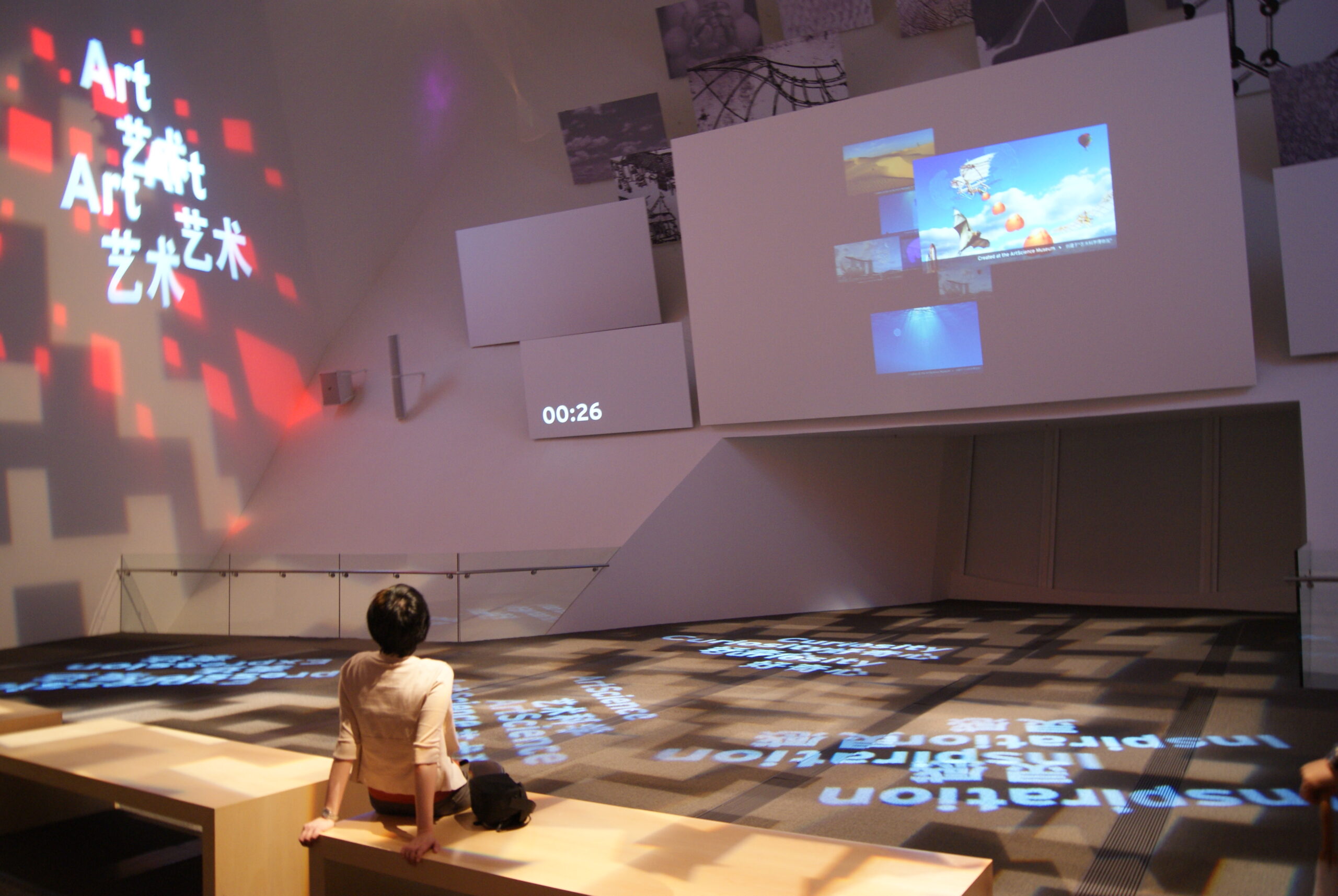
Audio-visual display in the ArtScience Museum

In my exploration of modern art trends, I’ve seen amazing changes in the art world. There’s a lot happening, from using blockchain to create digital art, to making big outdoor installations that make us think. Every step forward introduces new, eye-catching art that reflects our changing world.

Art today is not just paint on canvas. It’s a mix of new technology with traditional art. This blend creates endless new possibilities. Reflecting on this, I realize that true creativity knows no bounds. It is always challenging how we think and urging us to see things differently.

As I wrap up my look at modern art, I see that the spirit of creativity is alive and well. Art is now breaking out from traditional spaces, becoming part of our digital world. These new art forms make us pause and ponder, pushing our society forward. They are not just reflections but also the driving force of our future.

FAQ

What are the predominant contemporary art trends today?

Digital media and technology stand out in modern art. So does combining old techniques with new ideas. You’ll also see art that cares about the earth, tells social stories, and mixes performance and media. These trends show how art keeps up with new tech, cares about society, and reflects cultural changes.

How is technology influencing avant-garde art forms?

Technology is pivotal in avant-garde work, giving birth to digital, interactive, and virtual art. It also includes 3D printing. This use of tech makes art more engaging and immersive, changing how we understand and enjoy it.

What is the significance of eco-conscious art in modern art movements?

Eco-conscious art has become key in modern art, making us think about the environment. Artists often use recycled items and focus on climate change. They aim to start talks and actions around preserving the planet.

How are contemporary art trends manifesting in public spaces?

From murals to community projects, modern art is all around us. It attracts us to talk and think. These works speak to the people and reflect our shared values and experiences.

How are traditional techniques being revitalized in modern art?

Traditional techniques are making a comeback, mixed with fresh styles. This mix keeps old methods alive and introduces new ideas to art. It breathes new life into classical art practices.

What impact is virtual reality having on emerging art styles?

Virtual reality is a game-changer for art, offering interactive worlds. It enables a fresh way for artists to share their visions. This technology makes art a new experience, catching our senses in different ways.

How are blockchain and NFTs changing the art world?

Blockchain and NFTs are making art’s business side more modern. They allow secure buying of digital works and let artists keep their digital items as theirs. This approach broadens art styles, reaching more art lovers worldwide.

Can avant-garde art forms influence cultural contexts?

Indeed, avant-garde art can deeply impact culture by breaking norms and sharing new ideas. This type of art often sparks conversations and challenges common beliefs, leading to changes in how we view and act in the world.

How are sculptors employing cutting-edge artistic expressions today?

Sculptors are turning to interactive tech and 3D printing for groundbreaking art. These new methods invite people to take part in the art. They also merge traditional sculpting with digital design, pushing the art forward.

What defines progressive artistic visions in multimedia art?

Progressive art in multimedia brings together different art forms like never before. It sparks new ideas through working with various disciplines. This collaboration produces experiences that transcend single mediums, leading to the birth of innovative concepts.

Add to cart