Digital Art Innovations

Digital Art Innovations
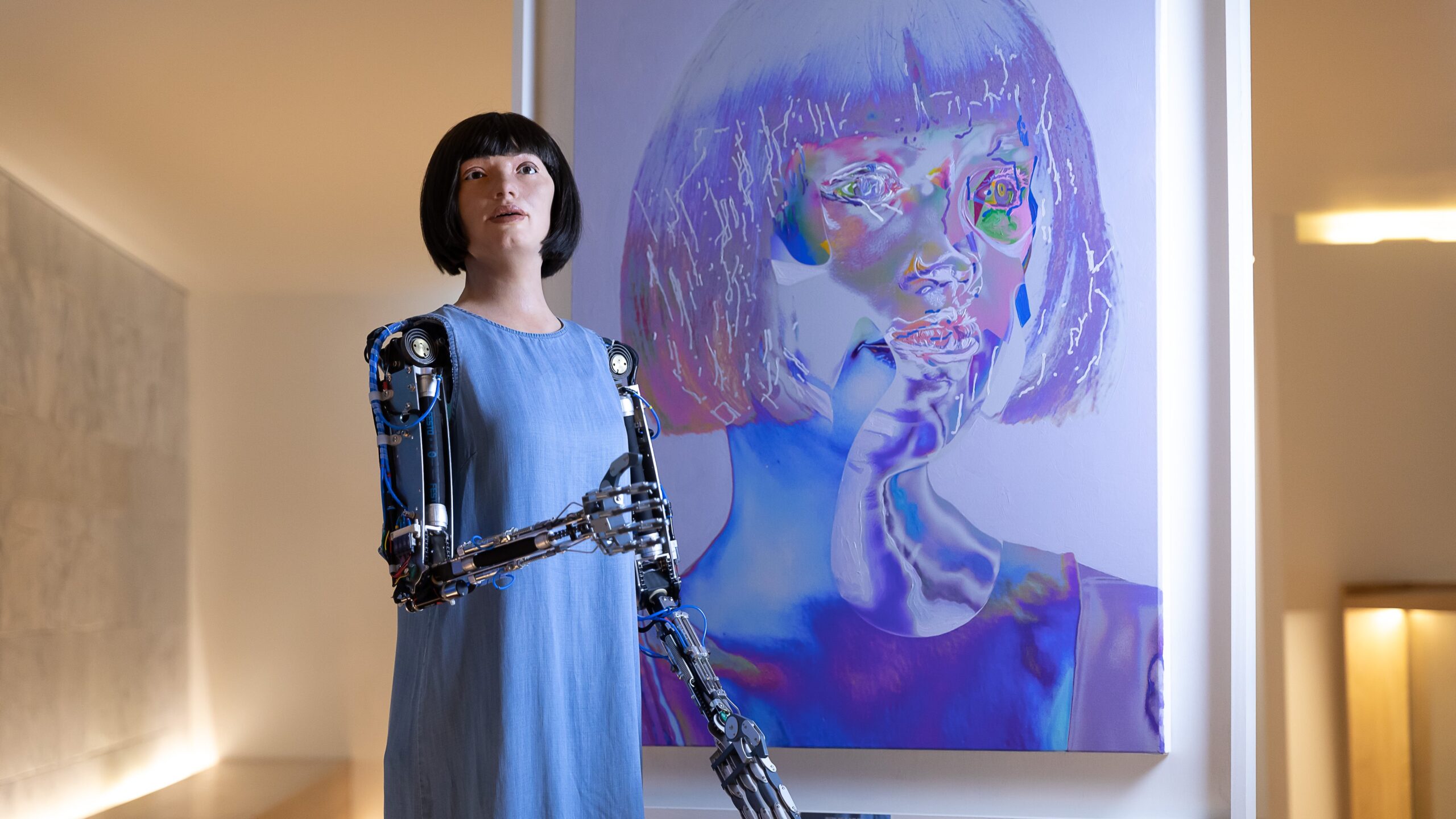
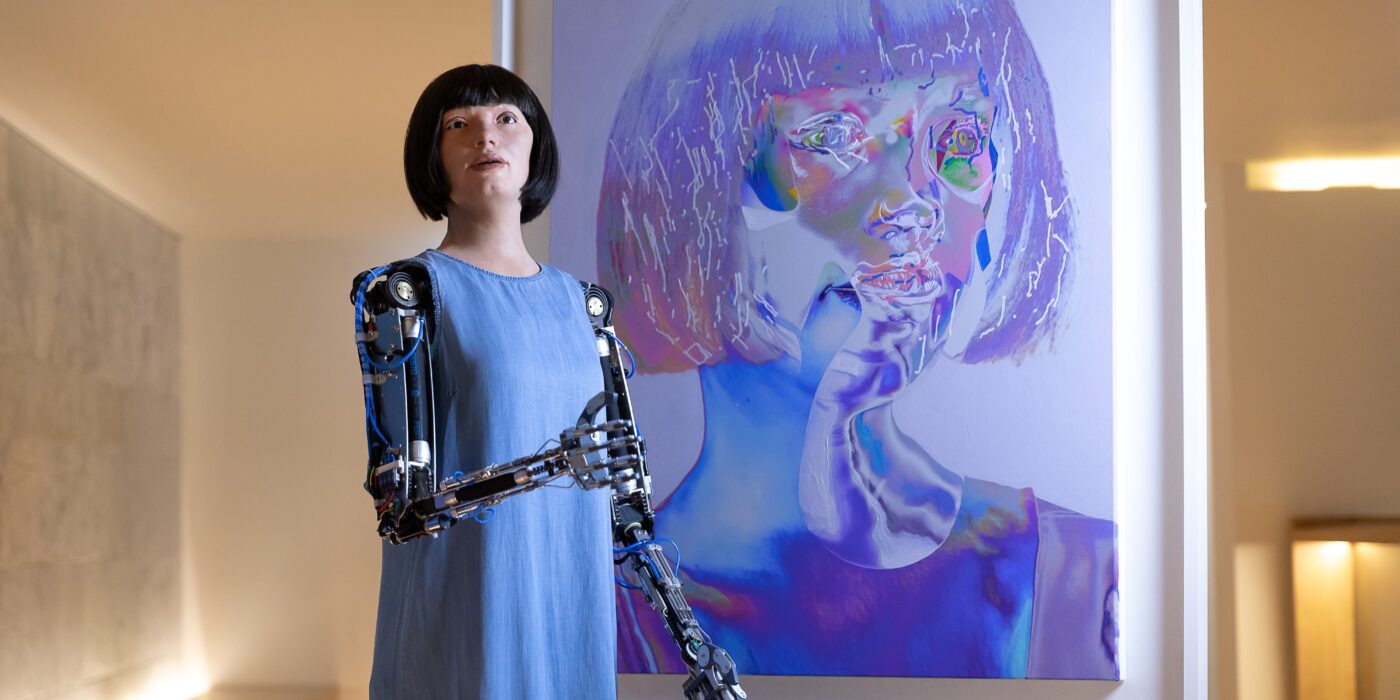
human-like robot creates creepy self-portraits

The field of digital art is growing fast. Innovations in digital art have changed how we create and see art. Thanks to new technologies, we are seeing a new phase in visual culture. The use of AI, machine learning, and advanced algorithms is leading to a big change in how we make art.

Now, AI systems are creative partners. They are helping us move past the old limits of what art can be. This new era is making it hard to tell where the artist ends and the artwork begins. It’s opening up a world where art feels interactive and surrounds us in unique ways. This is a new frontier for both making and experiencing art unlike anything we’ve seen before.

Key Takeaways

  • Digital art innovations represent a significant shift in how art is conceived and experienced today.
  • Pioneering technologies like AI and machine learning are at the forefront of an artistic expression revolution.
  • Creative AI systems have transformed from mere tools to active participants in the creative process.
  • The fusion of art and technology has expanded the realm of possibilities for both artists and audiences.
  • These advancements promise a future where art continuously evolves alongside technology.

Exploring the World of AI Art Generation

Today, AI Art Generation leads a creative revolution. It is more than just an experiment. AI is becoming a major force in the art world. AI artists stand at the forefront of this digital era.

The Emergence of AI-Driven Artistry

The rise of AI-driven art breaks old boundaries. At first, people doubted AI Artists. Yet, their work now wins acclaim. They use algorithms to create pieces full of emotion. This redefines what we think about creativity and art.

Understanding the Capabilities of AI Artists

AI artists learn from thousands of artworks. They discover what makes art beautiful and unique. Their work can be complex and deeply meaningful. This shows a new way technology and creativity can merge.

Notable AI Artworks and Exhibitions

AI art is shown in global exhibitions. This art mesmerizes viewers and starts conversations about art’s future. It blends with human art, showing a new, innovative side of art.

Exhibition Location Year Highlights
AI: More than Human London, UK 2019 Interactive works and digital installations that explore AI’s role in art.
Artificial Realities New York, USA 2020 Exhibition of AI-generated paintings, featuring landscapes and abstract art.
The Next Rembrandt Amsterdam, Netherlands 2016 An AI-generated painting, mimicking the style of Rembrandt using deep learning techniques.

This new era in AI Art Generation changes how we see and make art. AI artists enrich cultural conversations. They are more than tech tools. They are essential to the art world.
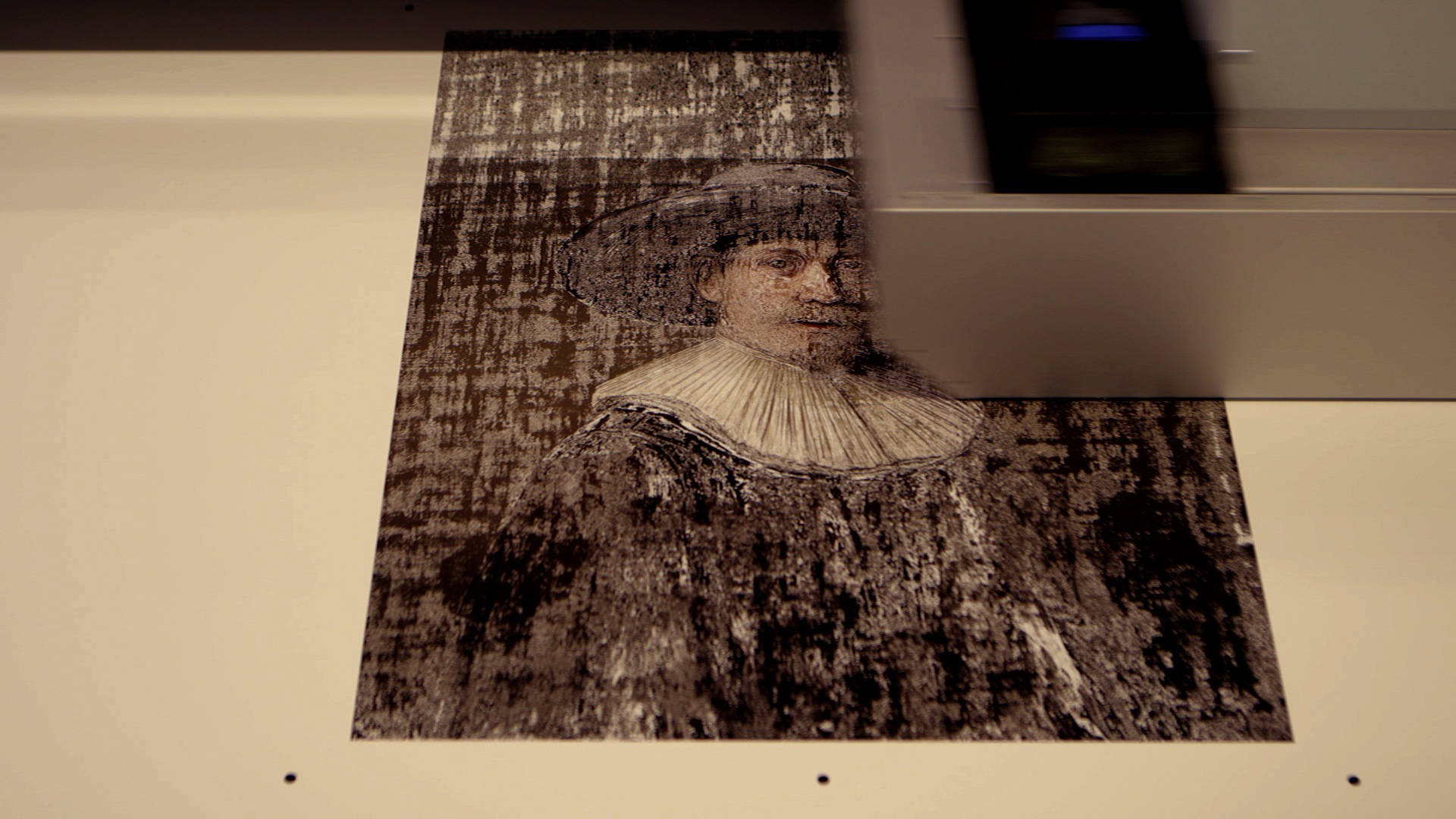
The Next Rembrandt

Generative Adversarial Networks (GANs) in Art Creation

Looking at the mix of Generative Adversarial Networks and art is very interesting. It shows how GANs in Art are changing things in a big way. This technology, a key part of Computational Creativity, uses two networks to challenge each other. This process evolves what artificial intelligence can produce.

In this setup, one part makes images and the other checks them. Because of this setup, GANs can create art similar to human artists. This shows the power of Creative AI Systems. It also sparks thoughts on creativity and how tech fits into art.

Feature Impact on Art Examples
Variety of Styles Enables diverse artistic expressions Abstract, realism, impressionism
Speed of Creation Rapid testing and development of new art forms Interactive Art Exhibits
Innovative Collaboration Blends human and AI creativity Collaborative art installations

Generative Adversarial Networks have a big impact on how art is made. They change how artists work and what tools they use. Artists are now exploring new artistic spaces with the help of GANs. This marks the beginning of a fresh chapter where Creative AI Systems and human creativity work together to push the artistic boundaries.

Neural Style Transfer: Blending Art with Technology

Neural Style Transfer brings art and tech together in a new way. It combines AI with artistic creation. This mixture not only opens new doors for art but also shows the power of AI in creating art. It changes how we think and make art.

Breaking Down the Neural Style Transfer Process

Neural Style Transfer uses deep neural networks to mix the style of one image with the content of another. The process starts with a content image and a style image. The network then works to make the content image look like the style image. This creates a new image that has both the content and style, blending art and technology in a unique way.

Impacts of Neural Style Techniques on Artistic Production

Neural Style Transfer changes how art is made. It allows artists to explore and create in new ways. With AI, artists can make art that was hard to imagine before. This pushes traditional art into new territories, creating a unique style in AI-assisted art.

Feature Impact on Traditional Art Impact on Modern Art
Style Adaptation Speed Highly accelerated compared to manual techniques Fosters rapid experimentation and diverse outputs
Access to Diverse Styles Enables cross-era style blending, previously restricted by skill Expands the palette of style choices far beyond traditional limits
Customization Degree Limited by the artist’s manual skill Almost limitless, powered by algorithmic personalization

Machine Learning’s Role in Evolving Art Forms

The blend of Machine Learning in Art is far from a quick phase. It’s a key part of how art changes today. It helps create Evolving Art Forms by introducing Algorithmic Art. This broadens the world of Computational Creativity. These new tools push artists to rethink creativity’s limits.

Exploring this area, I’ve seen how machine learning views data in a unique way. It sees them as more than facts; they’re the heart of creative ideas. This leads to what’s called Algorithmic Art. Here, art is born from patterns and forms found using computer logic. And it touches our emotions like any other human-made art.

  • The role of machine learning in creating dynamic art pieces that adapt over time.
  • Machine learning’s capability to analyze current trends and generate predictive models of what could become popular in the artistic community.
  • Real-time collaboration between artists and AI to create interactive installations.

This creative teamwork points us to a future full of ever-changing art and brand-new art styles. Computational Creativity leads this journey. It’s not just about making art differently. It changes how we think about art. And it lets us dive into new feelings it can bring out.

Machine learning’s impact stretches further. It also changes how we enjoy and understand art. This tech has made a spot in modern art. It’s giving rise to artists unlike any before. They break free from old rules about what art is or where it can go.
Best AI Character Generator You Should Know in 2024

Algorithmic Art: A New Age of Computational Design

In the world of digital art, algorithmic art is something special. It brings together math and beauty in a unique way. This type of art shows us how numbers and computer programs can make beautiful works. These artworks not only look amazing but also make us think.

From Algorithms to Aesthetics: The Journey of Algorithmic Art

Algorithmic art has changed how we think of art. It combines yesterday’s painting techniques with today’s technology. So, we’ve moved from simple computer instructions to systems that can make detailed pictures. This shows how tech and creativity can work together. And it’s all about turning data into art you can look at and understand.

How Algorithmic Art is Shaping Future Design Trends

Looking ahead, algorithmic art is making a big impact on design. It’s changing what we think is possible with digital art. This change is sparking new ideas in media, ads, and learning. And as tech gets better, so do these artistic creations. This makes art that’s not just for looking at, but for interacting with, too.

Aspect Influence on Design Trends Potential Future Development
Personalization Designs that adapt to user preferences Increased use of AI to predict user behavior
Interactivity Engaging, dynamic user interfaces More immersive environments using VR and AR
Multimedia Integration Cross-platform aesthetic coherence Seamless integration of various media types

Looking at algorithmic art opens a door to new possibilities. It shows us that in the coming days, computational design is going to do more than just look good. It will change how we see and use art. It’s all about making experiences that surprise and move us.

Computational Creativity: Machines and the Artistic Mind

Computational Creativity is where technology meets art. It’s a place where machines are not just helping but leading creative work. These AI systems are changing how we think about the art-making process, bringing machines into the world of creativity.

Case Studies: When Machines Emulate Human Creativity

AI systems show they can do more than we may think. They compose music, write poems, and make visual art that feels deeply emotional. This makes us wonder: is creativity something only humans can do? Or can machines learn to be creative, too?

Debating the Authenticity of Computer-Generated Artworks

With more computer-made art around, we’re asking big questions. Do these works show real creativity, or are they just the work of complex math? The debate covers not just how the art looks but also deep questions about what it means to be creative. We’re also wondering: can we appreciate art if no human hands made it?

Looking at this issue, it’s key to see the big picture. Mixing human and AI creativity is changing art. This change is pushing old limits and creating a new future for art. The art world is changing, and these systems are leading the way.
What are NFTs and how do they work?

Creative AI Systems and the Future of Artistic Expression

In the art world’s changing landscape, Creative AI Systems are key to defining the Future of Artistic Expression. These systems are more than just tools. They work with artists, adding to the creative process through AI-Assisted Art Production and Machine Learning in Art. This mix of tech and creativity points to a future filled with deeper, more varied art.

One big step forward is how machine learning helps artists. It looks at tons of data and spots patterns we can’t see. These findings can inspire and inform artists, leading to new kinds of art. Thanks to AI-assisted art production, a new art genre is taking shape. It’s both fresh and introspective.

  • The integration of Creative AI Systems in multimedia projects
  • Use of AI in dynamic sculpture creation
  • Machine learning applications in interactive installations

Think about how AI is changing artmaking. Now, AI doesn’t just copy old styles. It also creates brand new looks. This big change is thanks to creative AI systems that get better over time. They mix precision and imagination, showing a new future for art.

“AI is not replacing the artist; rather, it is expanding the canvas of creative potential, empowering artists to explore realms beyond human reach naturally.”
Investigation Finds AI Image Generation Models

To sum up, AI and machine learning are reshaping how we make and see art. The mix of these fields shines a hopeful light on the art future. It’s a future where tech and art walk hand in hand, always growing and changing.

AI-Assisted Art Production: Enhancing Human Creativity

AI-assisted art production is changing the art world fast. It’s not just tech innovation; it changes how we think about creativity. With advanced algorithms, artists dive into new creative spaces.

Collaborative Works: Artists Teaming Up with AI

Art combined with AI brings out new forms of exciting art. This is not about machines replacing artists. It’s more about boosting what artists can do. Together, they make art that’s both sophisticated and rich, pushing boundaries.

Tools and Platforms for AI-Enhanced Art Creation

AI in art has a growing toolkit. There are many platforms making these techs easy for everyone to use. They offer the power and a simple interface for artists who aren’t tech specialists to work with AI.

Platform Features User Base
Artisto Real-time style transfer, easy integration Professional Artists, Designers
CanvasAI Collaborative AI tools, robust community support Hobbyists, Freelancers
SketchMind Generative sketching, interactive tutorials Students, Educational Institutions

Artistic Data Visualization: Informing and Inspiring

In the world of artistic data visualization, the blend of beauty and information is vital. Here, computational design meets the power of storytelling. As an artist in this area, I mix numbers with stories to create data-driven art. This art not only looks great but also teaches and inspires.

The heart of my work is turning complex data into visual styles that everyone can enjoy. This way, we don’t just see numbers but their meaning too. It takes what’s hard to understand and makes it clear. That’s the real magic of artistic data visualization. It shows us the world as it is and where it could go.

Aspect Impact on Viewer Technique Used
Clarity Enhances understanding Minimalist design with bold colors
Engagement Increases interaction Interactive graphs and sliders
Inspiration Encourages deeper exploration Layered information and storytelling elements

Data-driven art makes complicated topics easier to grasp. It helps leaders see different possibilities clearly. And it gives the public a way to understand tricky data. This can lead to smarter choices by everyone.

When creating for a gallery or journal, I follow the rules of computational design. This ensures my work is both pretty and full of accurate data. So, every piece shows data and its story. Viewing it becomes both learning and fun.

So, artistic data visualization mixes technology with art beautifully. It proves that using data creatively can turn boring numbers into powerful stories. These stories can spark changes and new ideas.

Conclusion
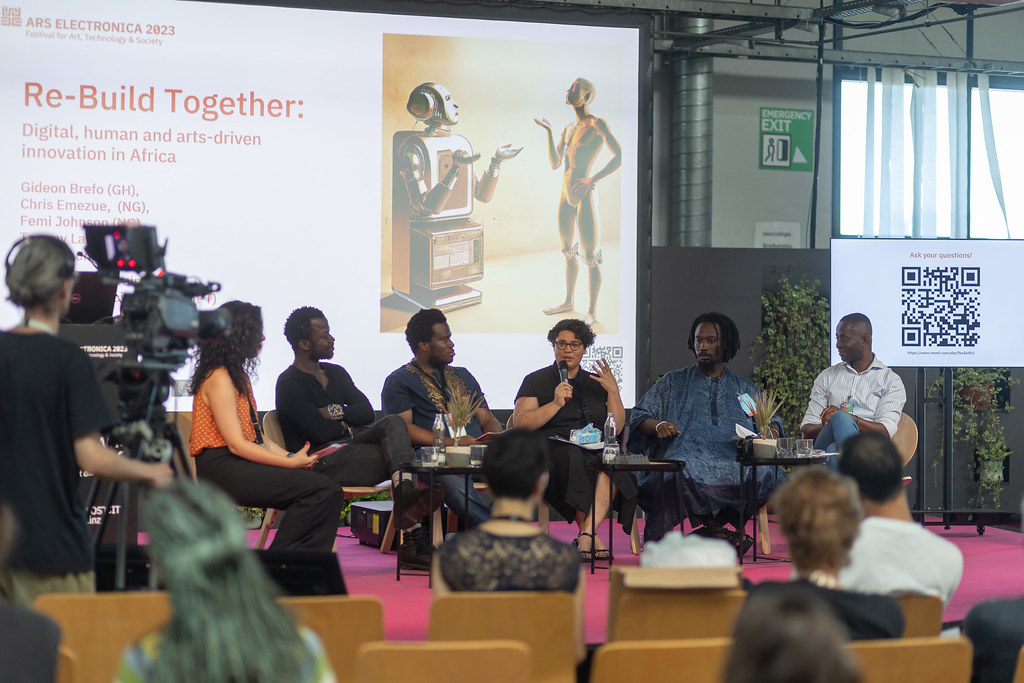
Re-build Together: Digital, human and arts-driven innovation in Africa

This journey led me to discover the powerful mix of AI and Art. This blend marks a turning point in digital art history. It’s clear this mix isn’t just a fad; it’s changing art forever. We explored everything from GANs to neural style transfers. It’s amazing to see these tools shaping what art will become.

The tech we talked about is shaking up how we create and enjoy art. It’s helping artists do more. And it’s introducing fresh ways for people to view and interact with art. A mix of human creativity and machine smarts holds so much promise. We’re on the brink of an exciting new chapter in art’s story.

Looking forward, we see these advances continuing to transform art. It’s hard to know exactly what the future holds. But we can be sure AI will keep pushing the boundaries of creativity. Every new idea and technology expands the world of digital art. It shows us that the future is full of endless chances and surprises.

FAQ

What are Digital Art Innovations and how are they affecting creative expression?

Digital Art Innovations use advanced tech like AI and machine learning to make art. They have changed how we do art. Artists can try new creative things and reach people in different ways. This tech allows art to go beyond what was thought possible.

How have AI Art Generations changed the role of artists?

AI Art Generations have made AI part of the art making process. This means artists can create in new, exciting ways. They can work with AI to develop big, complex ideas together. It’s turning artists into partners with AI in their creativity.

Can you explain what Generative Adversarial Networks (GANs) are and their role in art?

Generative Adversarial Networks (GANs) are AI systems that fight to create new things. In art, they make images that look human-made. They are very important in making art that is surprising and complex with the use of AI.

What is Neural Style Transfer and how does it impact the creation of art?

Neural Style Transfer mixes the look of one picture with another using AI. It gives birth to new art by blending different styles. This technique has a big impact on art, offering new ways to combine visuals and create unique pieces.

In what ways is Machine Learning influencing contemporary art forms?

Machine Learning helps artists analyze and create using data. It’s used to make algorithmic art. This new art form is interactive and keeps changing. It blends the artist’s vision with the randomness of AI, creating something new.

What is Algorithmic Art and how is it changing design trends?

Algorithmic Art is art created with computer algorithms. It’s based on math logic. This art style introduces new looks and ways to create. It influences many areas like graphic design and architecture by merging technology with creativity.

How do machines emulate human creativity in computational creativity?

Machines mimic human creativity by combining information in new ways. They use complex algorithms to create art and ideas like humans do. This challenges the idea that creativity is only for people.

What does the future hold for creative AI systems in artistic expression?

The future of AI in art is all about working more closely with humans. It will make creating art easier and allow for more complex works. More AI will be used to help in making art. This means new types of art and experiences for everyone.

How does AI-assisted art production enhance the creative process for artists?

AI in art helps artists by giving them new ways to show their creativity. It allows for big experiments in art. Artists can try new things with their work, like making lots of changes fast. AI makes creating art more interactive and exciting.

What is Artistic Data Visualization and its importance in the digital age?

Artistic Data Visualization makes data easier to understand through art. In a world full of complex data, it makes info fun and easier to get. It’s key for exploring data and showing it in beautiful ways that are as important as the data itself.

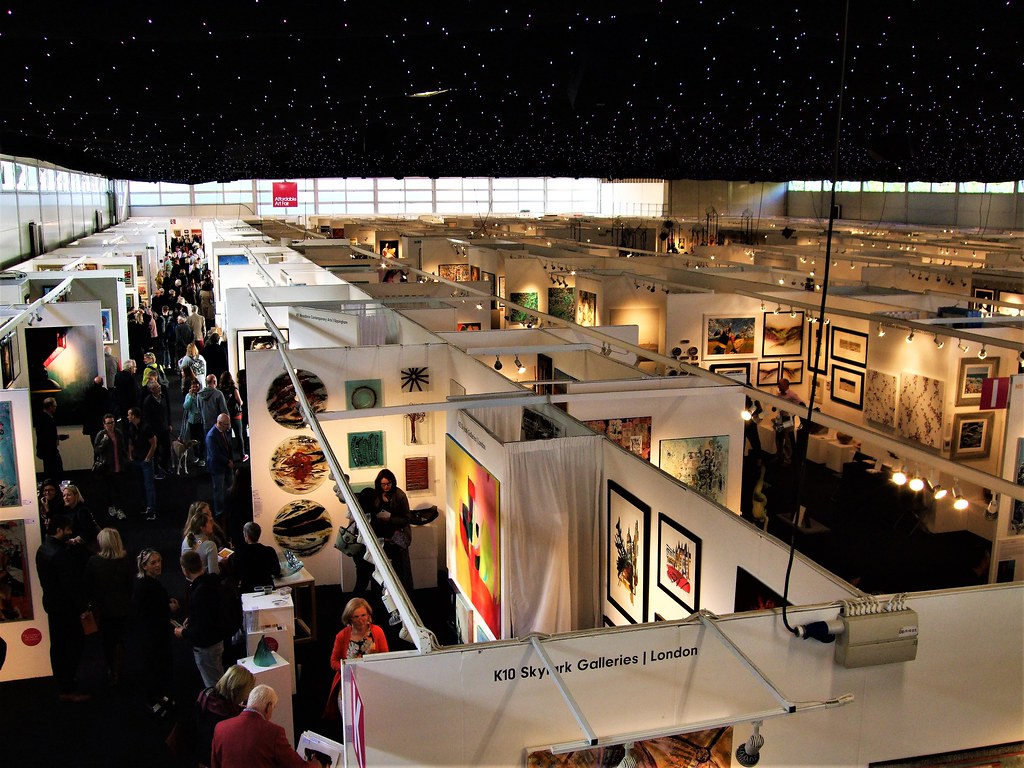
Exploring the Vibrant World of Art Fairs

Exploring the Vibrant World of Art Fairs

As a lover of the arts, I’ve dived into the lively scene of art fairs. Here, a mixture of artists, galleries, and fans meet to celebrate creativity. These events are more than places to see art. They’re living showcases of what’s happening in the art world right now.

From messy easels to elegant displays, there’s a strong sense of togetherness. This feeling shows how united the art community is. It’s like the cultural community’s heart, beating with creativity.

The 2018 Affordable Art Fair In Battersea Park – London

Key Takeaways

  • Art fairs are influential hubs that shape contemporary art trends.
  • They provide a platform for artists and galleries to connect with enthusiasts and collectors.
  • The events contribute significantly to the cultural and economic vitality of the art world.
  • Contemporary art fairs serve as a critical space for discourse and discovery in the arts.
  • Art fair events offer a comprehensive perspective on the diversity of the art sector.

Introduction to the Global Phenomenon of Art Fairs

I’m a journalist who loves the art world. I have seen the big change of art fairs. They went from small events to a global phenomenon. They are important on the art fair calendar for new and famous artists. These fairs are vital for artists wanting to be noticed.

Art fairs have grown huge over time. They were first just for artists and fans to meet. Now, top fairs in places like Basel, Miami, and Hong Kong are not to be missed. They are places of rich art and cultural sharing.

  • Connection of diverse cultures through art
  • Platform for launching new artists and innovative artworks
  • Opportunity for art collectors and dealers to discover valuable pieces

Every fair in the art fair calendar is carefully made to be engaging. This ensures that everyone from galleries to fans has fun with the art. Top art fairs play a huge part in making this happen. They lead, shape trends, and raise the bar for the world.

These fairs are key for art’s economy and culture. They are now a global phenomenon, changing art views everywhere. Their impact goes far beyond the art world.

Massive Art Fair

Art Fairs: A Meeting Point for Creativity and Commerce

Art fairs bring together creativity and business in a lively way. They are key for promoting and celebrating art. At these events, artists and sellers can connect with buyers and other artists. This mix of business and art offers great insights into the art world.

Understanding the Business of Art

Art fairs are more than just places to buy and sell. They blend the beauty of art with market forces. Here, sellers and exhibitors work to be successful by understanding trends and what clients like. They must also consider the state of the art market.

The Role of Galleries and Curators

Galleries and curators play a big part in making art fairs special. They show unique exhibits and represent many artists. Their choices can shape artists’ careers and start new trends at art fairs.

Networking Opportunities for Artists and Collectors

Networking at art fairs can jumpstart artists’ careers and help collectors find new art. These meet-ups are important for talking, sharing, and making new connections in the global art scene. For both new and known artists, networking at art fairs is key for business and art success.

Navigating the Diverse Genres at Fine Art Fairs

I explore fine art fairs with a sense of wonder. The variety of art I find is beyond what I can imagine. These events are not just about buying art. They are centers for sharing culture and finding new art. This mix of old and new art gives a special view of how art has changed over time.

Discovering Emerging Genres

Walking through the many fairs, I’m drawn to the new styles. These cutting-edge works challenge old ways and tell new stories. The top art events give these bold pieces a stage to shine, promoting new ideas.

Traditional vs. Contemporary Art Showcases

At these fairs, you can see both old and new art. Traditional art keeps us tied to history, while contemporary pieces are all about the now. This mix broadens our art experience. It shows everyone that art can be in many forms.

Interactive Installations and Performances

At modern art fairs, you can dive into the art with interactive pieces and live shows. These get you involved, making the art come alive. It leaves a lasting impression and makes you feel part of the art scene. This is what makes art shows a key part of modern art.

A Calendar of Not-to-Miss Art Fair Events Worldwide

I’ll guide you through the must-see events on the Art Fair Calendar. My aim is to highlight Top Art Fairs across the world, which art fans and collectors shouldn’t miss. This list features well-known and groundbreaking new events. It emphasizes the Best Art Fairs where art and culture truly shine.

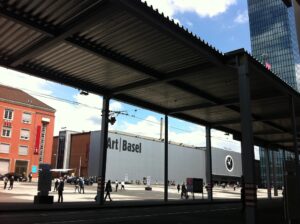
  • Art Basel in Basel – This event is famous as one of the top global art fairs. It showcases premier galleries from continents like North America, Latin America, and beyond.
  • The Armory Show in New York – This fair is essential in the art world calendar. It brings together leading art galleries, special artist projects, and vibrant public events.
  • Frieze London – Frieze London is known for its forward-thinking art projects. It’s a key gathering for those interested in exploring the latest trends in art.
  • The Venice Biennale – The Venice Biennale turns Venice into a hub of contemporary global art. It’s an important stop for anyone interested in the best art fairs.
  • Art Dubai – This fair showcases artists from the UAE and worldwide. It has become an important player in the global art scene in a short time.

These gatherings let you discover unforgettable artworks and installations. They’re must-adds to your art fair calendar. Whether you collect art, are just getting into it, or work in the field, visiting these top art fairs means immersing yourself in the global art conversation. It offers cultural insight and discussions on contemporary art.

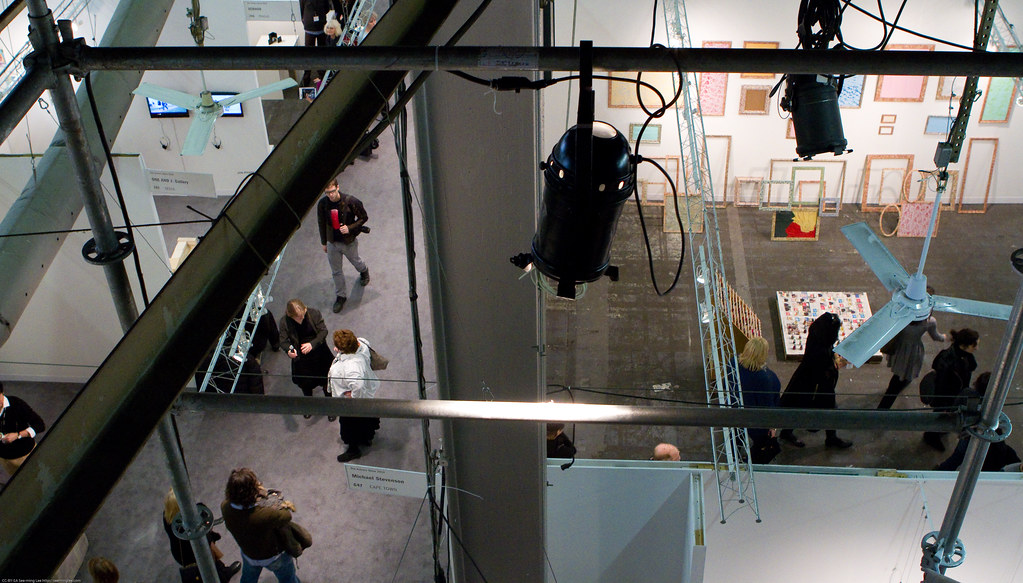
Birds’ eye view of The Armory Show 2010

The Rise of Virtual Art Fairs in the Digital Age

Virtual art fairs have changed how we interact with art. They’ve become key players in the art world, offering a digital twist. By taking art shows online, they bring new benefits, breaking away from the usual limits.

How Technology is Revolutionizing Art Consumption

New technology has led to a new way to experience art. These digital events are just as immersive as visiting a gallery. They bring together virtual reality, digital galleries, and unique experiences. This makes art accessible to everyone, not just the art experts.

Benefits of Virtual Art Fairs

Virtual art fairs are breaking down walls. They let people from all over see art without traveling. Plus, they’re cheaper to run than traditional fairs, saving money for the people who put them together.

Virtual Tours and Online Sales: The New Normal?

Moving online is changing how we buy and sell art. Now, we have virtual tours of booths and online talks. This change might stick around, making digital and physical art fairs a team.

Feature Traditional Art Fairs Virtual Art Fairs
Accessibility Limited to physical attendance Global access from any online device
Cost-Efficiency High overhead costs Reduced logistical and setup expenses
Interactivity Direct interaction Interactive digital tools (VR, live chats)
Art Sales Traditional transactions Integrated online purchasing systems

Profiles of Top Art Fairs: From the Prestigious to the Progressive

I’ve been to many top art fairs, seeing lots of creative and new things. These events are not just local but worldwide, mixing long-held traditions with the new. They show the best of current art.

The world of top art fairs mixes classic beauty with new artistic challenges. We will explore why these events are vital in the art world. They influence and change how we think about art and its market.

Art Fair Name Location Focus Area Year Founded
Art Basel Basel, Switzerland Modern and Contemporary Art 1970
Frieze Art Fair London, UK Contemporary Art 2003
Biennale de Lyon Lyon, France Progressive Contemporary Art 1991
The Armory Show New York, USA International Contemporary and Modern Art 1994

At the best art fairs, you can meet artists, curators, and collectors. It’s a key place for new art ideas. Artists from the future meet the rich history of art.

For lovers of art or art professionals, going to these fairs can change you. They show the bold side of art that asks you to look beyond what you know. These events invite all to see and join in the exciting new art being made.

Untitled (Xe Biennale de Lyon)

Tips for First-Time Visitors to Art Fairs

Starting out at an art fair can be both exciting and a bit overwhelming. It’s important to know the basics and where to turn for help. This will help make your visit more meaningful.

Maximizing Your Art Fair Experience

First-timers should focus on what they love in art. Look at the fair schedule in advance. This lets you choose fairs best suited to your tastes, making your time more enjoyable.

Must-See Booths and Exhibits

Some booths and displays shine brighter than others. Look at the fair’s map and info for these highlights. You can also ask vendors for their top picks. They often know the best places.

Negotiating Purchases and Understanding Pricing

Learning to discuss prices is important at art fairs. It’s not as hard as it seems. Understand what you’re buying and talk openly with sellers. It could make for a great deal.

Aspect Tips Reasons
Planning Visit Check the art fair calendar, choose events aligned with your interests. Efficient time management and enhanced experience.
Selecting Exhibits Study the event’s layout and program; talk to vendors. Focuses visit on influential and inspirational works.
Negotiating Purchases Understand artwork value, discuss openly with vendors. Ensures fair transactions and greater satisfaction.

Unveiling the Hidden Gems: Boutique and Local Art Fairs

Boutique art fairs are key spots to find new talents and get close to fine arts. They’re different from big fairs because they focus on specific art types and build a sense of community. My journey into these charming events shows just how much they mean to artists and art lovers.

On the other hand, local art fairs are all about the community. They help raise the art scene in that area and bring people together to see and feel the local culture. These events strengthen the bond between artists and their audience, which is very important in art’s big picture.

Features Boutique Art Fairs Local Art Fairs
Focus Unique, niche artistic themes Community engagement and local culture
Size Smaller, more intimate gatherings Variable, often larger community events
Artist Benefits Highly targeted audience, specialized exposure Increased local recognition and support
Collector Benefits Access to unique and undiscovered talents Deepening cultural and community ties
Typical Locations Unique venues like boutique hotels, historic sites Public, more accessible areas like parks and community centers

Both boutique and local art fairs do more than just gather people for a few days. They help artists grow by giving them a chance to learn and be known. Artists, starting from local fairs, might later feel ready for bigger ones. The caring, family-like vibe of these fairs can really help them along.

Fine art fairs are crucial for connecting high-level art with community art, blending them in a way that boosts both. As I go further, I realize these events turn ordinary spots into places buzzing with extraordinary creative talk.

This intimate focus on smaller-scale events enriches the global art scene, sewing seeds of creativity that blossom in multifaceted ways throughout the art community.

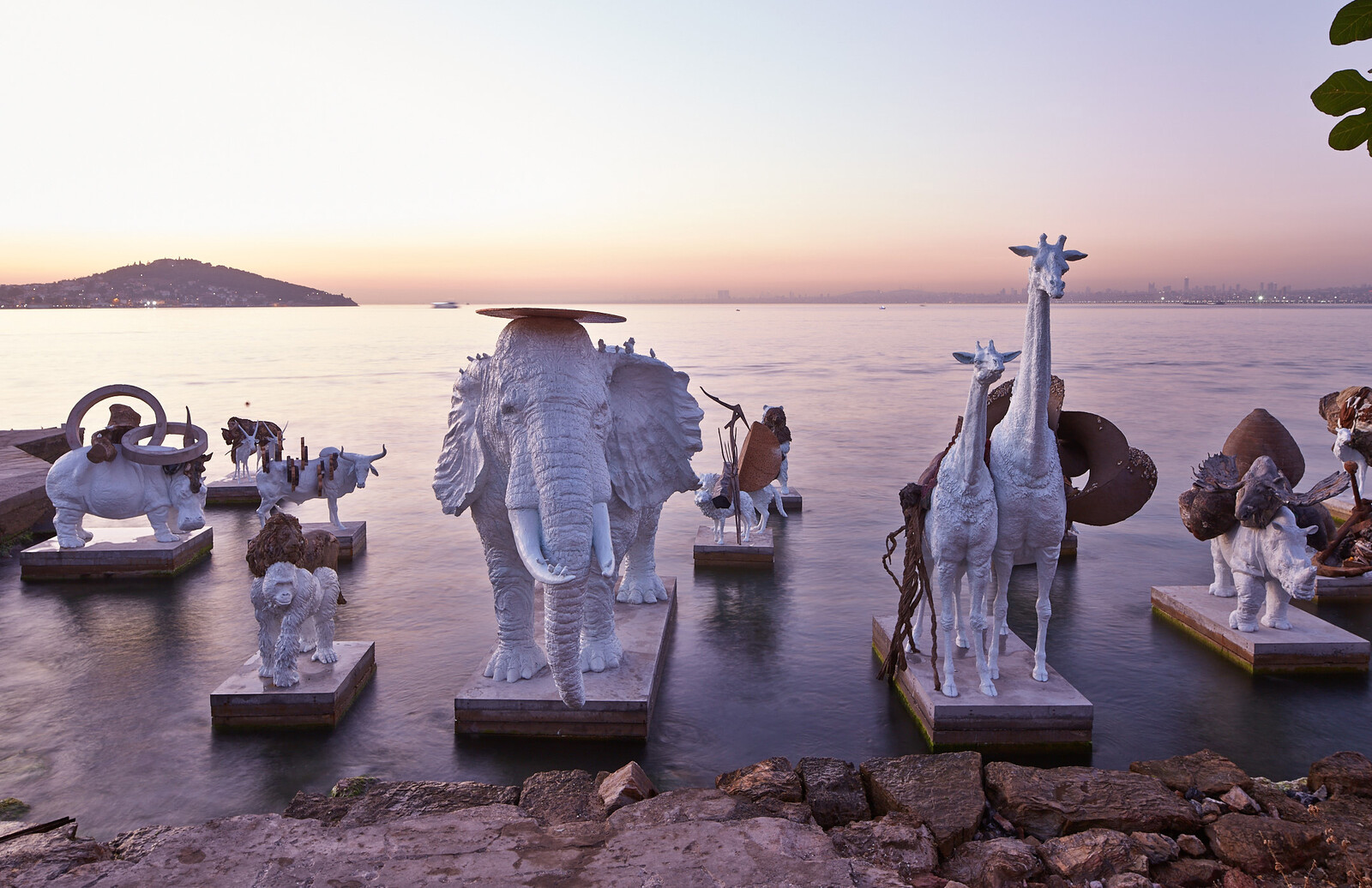
Istanbul Biennial

Looking into boutique and local art fairs shows a significant part of the art world. They’re about making art accessible, promoting variety, and getting communities involved. Each place has its own special vibe, and that’s what makes them so valuable.

Best Practices for Art Fair Exhibitors and Vendors

I’m deeply involved in the art world. I’ve seen how great exhibitions change everything at top art fairs. I’ll share key practices to make your display better and more attractive.

Preparation for a Successful Exhibition

Getting ready is key if you want your art to be remembered. Start by picking the best pieces that mirror your style and appeal to the fair’s visitors. Also, learning about the fair’s layout helps in creating a booth that stands out and welcomes everyone.

Marketing Strategies for Maximum Exposure

Having a solid marketing plan is crucial for Art Fair Vendors. It can turn a quiet booth into a popular spot. Using social media and emails beforehand creates buzz and brings people to your booth. It’s also smart to work with bloggers and influencers to get more exposure.

Engaging with Attendees and Selling Your Work

Making a sale is just the start of engaging with visitors. Sharing stories about your art, encouraging questions, and giving thoughtful answers make a big difference. Always make sure to get their contact details for future connections.

Strategy Description Impact
Dynamic Booth Design Create an attractive and easy-to-navigate space for visitors. This approach boosts visitor interest and sales opportunities.
Digital Pre-Fair Marketing Use teaser images and talks about featured art to build excitement online. Helps to create buzz and attract interested visitors right from the start.
Active Selling and Networking Have meaningful conversations with attendees, answer their queries, and share your contact information. Directly contributes to immediate sales and the development of future business relations.

By following these tips, you can make a big impact at an Art Fair. This not only increases your chances of selling but also helps you connect with art lovers and collectors. Remember, your success at these events relies on how well you engage the audience.

2019 Frieze Art Fair

Contemporary Art Fairs as a Barometer of Artistic Trends

Contemporary art fairs play a huge role in showing current artistic trends. They are not just about viewing art. They help us see where the art world is going. This is key for those interested in what’s next in art and creativity. Artists, collectors, and fans can learn a lot by looking at what’s popular at these fairs. They give us a peek into the current social and political changes.

Events like the Venice Biennale and Art Basel are major players. They not only show artwork but also start important conversations. These talks often lead to new trends in the art world. So, paying attention to what’s happening at these big fairs can really help you understand the art community.

But the impact of these fairs goes even further. They affect not just the galleries at the fairs but also inspire private shows and online art. In today’s world, where art can be shared so easily, these fairs have found an even bigger audience. They are at the forefront of introducing new artistic styles that everyone can enjoy. So, they remain very important in the art scene.

Fair Name Notable Trends Impact Factor
Art Basel Multimedia Installations High
Venice Biennale Political Commentary Medium
Frieze Art Fair Virtual Reality Art Emerging

The chart above shows the range of topics at these fairs. It proves the immense influence these fairs have in guiding art trends. Contemporary art fairs are essential when it comes to exploring new artistic directions. They are crucial for those wanting to be part of the current art culture.

Capturing the Experience: Photography and Social Media at Art Fairs

Art, culture, and technology meet at art fairs. Social media pairs with art’s timeless nature. This brings an immediacy to the event and extends its impact online.

The Role of Social Media in Art Fair Popularity

Social media acts like a digital art gallery. It helps people interact and engage with art fairs. Live streaming and social sharing make the event feel more communal and open to all.

Do’s and Don’ts of Art Fair Photography

Photography is great for capturing art fair moments. But, we must respect the art and artists.

  • Do ask for permission where necessary before snapping photos.
  • Do use natural light to avoid distortion of artwork.
  • Don’t use flash photography as it can interfere with the inherent qualities of artworks.
  • Don’t obstruct the view of other attendees while taking photos.

Expanding Reach Through Digital Storytelling

Digital storytelling does more than document art fairs. It tells engaging stories that draw people in. This approach keeps interest alive and highlights what’s special about the fairs.

Feature Benefit
Live-streaming sessions Allows real-time engagement and increases accessibility for global audiences.
Curated social media content Creates sustained interest and engagement long after the event has concluded.
Interactive storytelling Enhances viewer immersion and emotional connection with the event and artists.

Conclusion

Peculiar Pair, Art Basel Miami Beach

Our exciting trip through art fairs is finishing. These energetic events aren’t just about selling art. They breathe life into today’s art world. At fine art fairs worldwide, there’s a mix of money and culture that shows a world full of new ideas. Whether you walk through huge international shows or cozy local displays, every step is a lesson in modern art.

But, art fairs aren’t only about physical spots anymore. The rise of virtual art fairs changes how we see art. It lets us explore art from around the globe online. Online shows are now key parts of the art world, letting more people join in. They help art reach everyone, no matter where they live.

Looking ahead, I invite you to see both real and online art fairs. They’re great for adding color to your cultural world. Everyone’s role, whether they create, collect, or just enjoy art, helps these events stay important. Together, we make art fairs a key place for sharing ideas and amazing creativity.

FAQ

What are art fairs and why are they important?

Art fairs are big events where people like artists, galleries, and art fans meet. They come to look at, buy, and sell art. These events are key for sharing culture, showing the latest art, and helping artists and galleries be seen more and sell more.

How can one stay updated on upcoming art fair events?

To keep track of art fairs, check out online art fair calendars and art sites. Also, sign up for art fair newsletters. Many art fairs share news and updates on social media too.

What can I expect to see at contemporary art fairs?

You’ll see lots of different types of art, from paintings to performances, at contemporary art fairs. You can interact with the art and meet artists from all over the world.

What opportunities are available for networking at art fairs?

At art fairs, you can meet and talk with artists, galleries, and people who collect art. You can look for chances to work together or make sales. There are also discussions and special events to join.

How do virtual art fairs compare to traditional in-person events?

Virtual art fairs let you see art from anywhere, without travel costs. They have online booths and live events. Even though you don’t see the art in person, it’s easier for more people to join in.

What should a first-time visitor do to make the most out of an art fair visit?

Plan your visit by looking at the fair’s schedule and picking out what you want to see. Make sure to take your time walking around. Try to join talks or tours and talk to the people showing the art to learn more.

Can you purchase art directly at an art fair, and if so, how does pricing work?

Yes, you can buy art right at art fairs. The prices are usually set, but you might be able to talk them down. Prices vary based on the artist’s fame, the art’s size, and more. Always ask for a price list and ask questions if you’re curious.

How are boutique and local art fairs different from major international art fairs?

Boutique and local art fairs are smaller and usually showcase local artists. They often have unique or special art and help new artists. International fairs show a wider range of art from many places and draw a big crowd of people and buyers from around the world.

What strategies should art fair exhibitors deploy for a successful exhibition?

Exhibitors should get ready by knowing who will visit their booth, choosing the right art, and making their space look welcoming. They need to advertise well, talk to new people, share their art’s story, and keep in touch with those contacts after the event.

What impact do contemporary art fairs have on artistic trends?

Contemporary art fairs help set the tone for new art directions by showing fresh ideas and reflecting artistic discussions worldwide. They can influence what people like and where the art market is heading.

How has social media affected the popularity of art fairs?

Social media has made art fairs more known and liked by letting people easily share what they see and do at the fairs. It reaches more people than just those who visit in person. Now, it’s a big part of how fairs let people know about them.

Embrace Serenity with Minimalism Art Essentials

Embrace Serenity with Minimalism Art Essentials

In today’s fast-paced world, finding moments of calm is tough. But, minimalism art is here to help. It’s about simplicity and less decoration, offering an escape. You’ll find it in art on walls or the designs in your home. Minimalism brings peace and quiet to our daily rush.

Judd, Untitled (Stack), 1967

Minimalism art is like a breath of fresh air in the art scene. It focuses on clean lines and the most important things. When you see minimalist art, you’re asked to think about the power of simple beauty. This kind of art makes any space feel calm and perfect for thinking deep or resting.

Looking for a simple art piece for your home? Or maybe visiting a gallery to find ideas? Minimalism has a lot to offer. You’ll see art that sets your mind to wonder. And designs that feel right at home in modern spaces. There’s a wide range of art out there, perfect for anyone interested in simplicity.

This article will take us deep into minimalism art. We’ll cover its beginnings and what makes it special. We’ll see how art galleries show off this style. And look into different types of minimalist designs, including abstract art. Plus, we’ll learn how to pick and place these art pieces to make any space beautiful. And we’ll understand how minimalism fits right in at home and work today.

Key Takeaways:

  • Minimalism art brings a sense of peace and tranquility to our lives.
  • Minimalist artwork focuses on simplicity and essential elements.
  • Abstract minimalist art sparks the imagination and promotes introspection.
  • Curating minimalist art pieces can create visually appealing spaces.
  • Minimalism art can be seamlessly integrated into contemporary home and office environments.

The Minimalist Art Movement

In art, the minimalist movement has really stood out. It started in the middle of the 20th century. This art style is all about simplicity, focusing only on what’s important. It shows us what really matters.

Origins and Characteristics

It all began in the 1960s. Artists felt art had become too complex and commercial. They wanted to get back to basics. People like Donald Judd, Dan Flavin, and Agnes Martin started a trend. They made simple, but powerful, art that only had what was truly needed.

Minimalist art uses clean lines, shapes, and neutral colors. It’s all about showing the beauty of simple things. There are no extra details. This helps create a peaceful and calm feeling when you look at this art.

Minimalist Art Galleries

There are places dedicated to showing minimalist art. These galleries are very carefully put together. They aim to make you feel peaceful and at ease. The art is the main focus in these places.

The galleries use simple lighting and decorations. This makes the art stand out even more. The goal is to make you feel like you’re part of the art. It’s a special feeling.

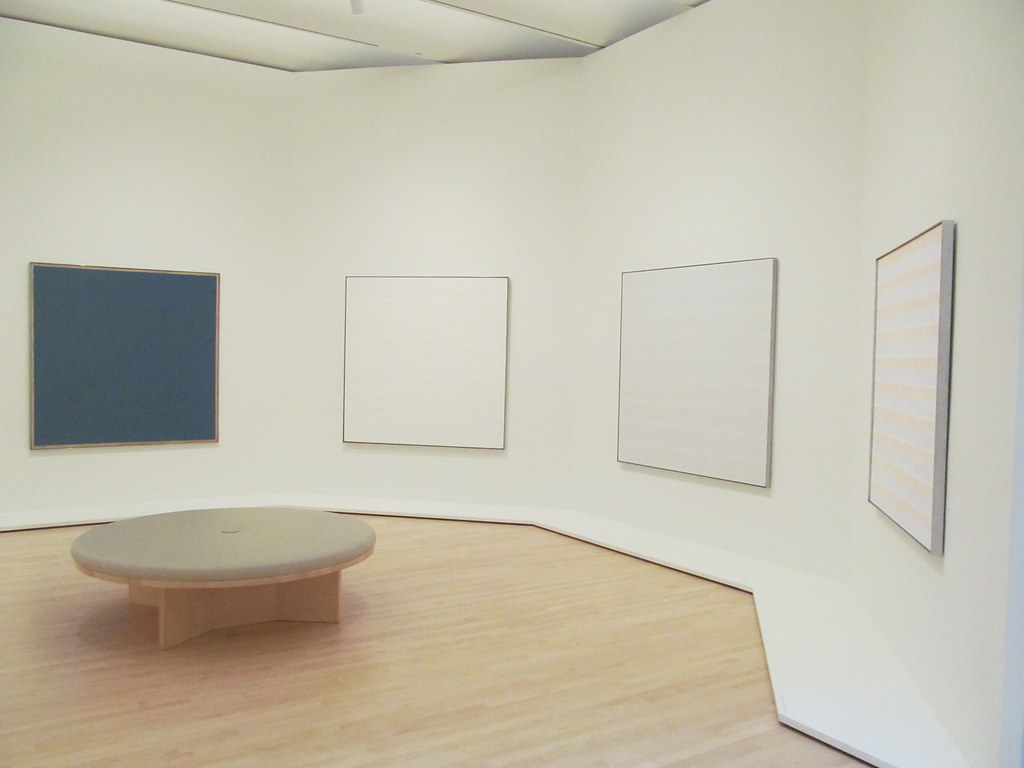
Agnes Martin, Untitled 

Core Concepts and Philosophy

Minimalist art is all about taking out what’s not necessary. It wants you to really see the art. This way, you can think about what you’re looking at. You are drawn into the artwork.

The idea is that making things simple can be very powerful. Less detail can sometimes make the biggest impact. This art wants to make you feel at peace.

“The more stuff in it, the busier the work of art, the worse it is. More is less. Less is more.” – Ad Reinhardt

Nowadays, this art style is still very important. It affects not just art, but design and many creative areas. The message it sends is clear: Less can truly be more.

Exploring Minimalist Artwork

Minimalist art offers endless possibilities. It is known for its simple yet beautiful designs. These designs give a feeling of peace. I’m excited to show you different types of minimalist art, especially the stunning abstract kind.

Embracing Simplicity in Design:

Minimalist art believes ‘less is more’. It focuses on keeping only what is necessary. This way, artists create artworks that are strong in meaning. They use simple shapes, lines, and colors.

The Beauty of Abstract Minimalist Art:

Abstract minimalist art asks viewers to find their own meanings. It uses shapes and colors for this. This kind of art speaks to people in many ways, inviting them to think and feel.

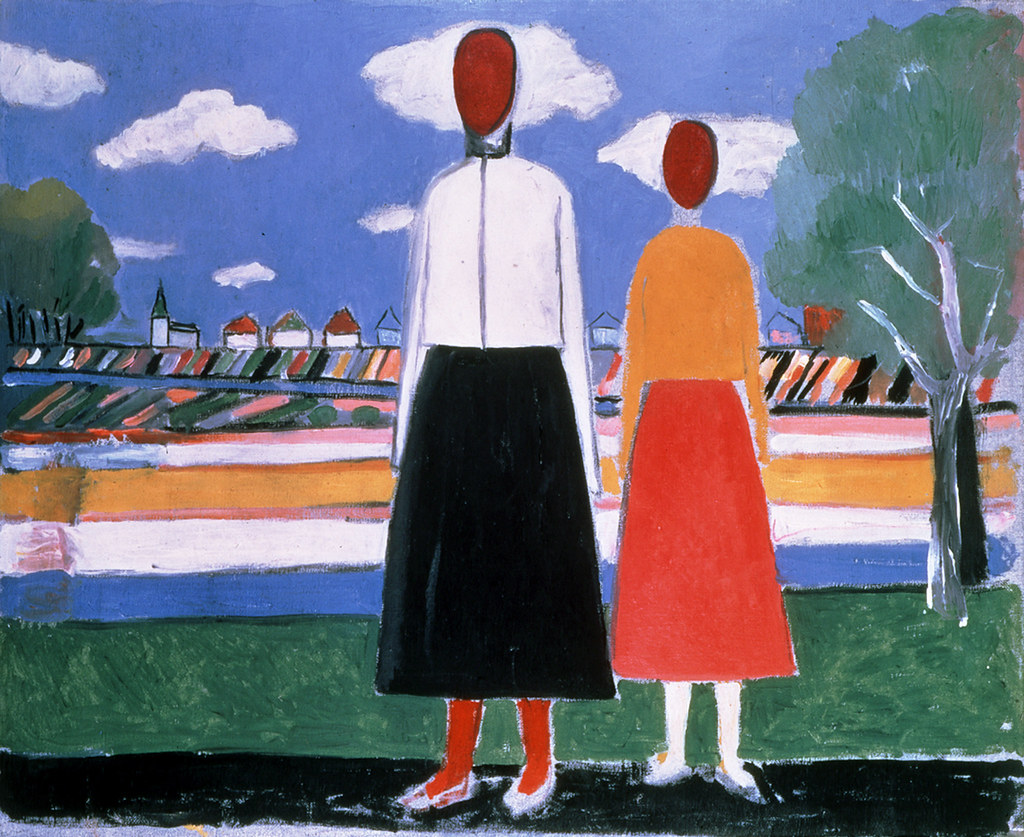
Artists like Kazimir Malevich and Agnes Martin have shaped abstract minimalist art. They teach us how simplicity and deep meaning can blend in art. Their works are known for making a strong connection with the audience.

“Simplicity is the ultimate sophistication.” – Leonardo da Vinci

Kazimir Malevich – Two Figures in a Landscape [1931-32]

Diverse Techniques and Styles:

There are many ways to create minimalist art. Some artists are very careful with details. Others use bold strokes to express themselves. Sculptors use shapes in their three-dimensional art.

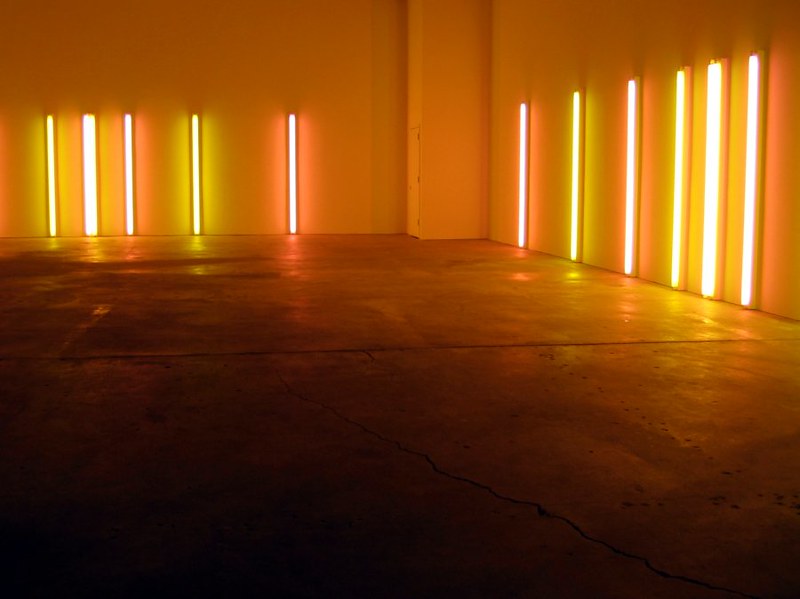
Dan Flavin creates light works that change how we see space with fluorescent tubes. Meanwhile, Frank Stella mixes color and shape for striking effects. There is so much variety in this style of art.

Minimalist art is not just about being simple. It’s about how artists use their creative ideas. They play with space, color, and form in exciting ways. This makes it a fun area for both artists and fans.

Learning about the beauty of minimalist and abstract art is exciting. It shows us how less can sometimes mean more in art. Now, let’s see how we can pick and show these beautiful art pieces in the next section.

Dan Flavin Installation

Curating Minimalist Art Pieces

Selecting and arranging minimalist art is a real art. It’s about choosing pieces carefully to make a beautiful, calm space. The aim is to highlight minimalism’s beauty and its calming effect.

In a minimalist gallery, focus on just a few excellent pieces. This makes the viewing experience more profound. Each piece gets its own space to shine.

Choose art based on its style and look. Think about colors, lines, and shapes to make a nice, unified appearance. Art should fit well, whether in a gallery or at home.

“Curating minimalist art is about creating a dialogue between the artwork and the space it inhabits.”

Think carefully about how you place the art. The way you position them can make the gallery feel welcoming. Your gallery can have a clear order, through neat rows or a balanced mix.

Great lighting and spacing make art stand out. Good lighting shows off details. And playing with the space can give artworks more life.

Tips for Curating Minimalist Art Pieces

Tips for Curating Minimalist Art Pieces  
1. Select fewer but impactful artworks  
2. Consider style, composition, and aesthetic appeal  
3. Pay attention to color palette, lines, and shapes  
4. Create a cohesive display that complements the space  
5. Strategically arrange the art pieces  
6. Consider lighting and spatial dimensions  

Curating these art pieces needs careful planning and heart. It’s about telling a visual story that touches people. With thoughtful choice and arrangement, you can make a space that truly reflects the spirit of minimalism. And it will catch anyone’s eye and dream.

Minimalism Art in Contemporary Spaces

Contemporary minimalist art makes living places tranquil and modern. It transforms spaces into peaceful places, bringing calm and clear feelings. Whether for a house or office, adding minimalist art improves how the place looks and feels.

Minimalist art fits with many styles, making any space look better. It goes well in a simple Scandinavian style or a colorful eclectic one. It helps bring balance and beauty no matter the design.

The Beauty of Simplicity

Minimalist art shows that often, less is more. It uses simple shapes, clean lines, and just a few colors. This simplicity lets you concentrate on the art, offering a chance for deep thought.

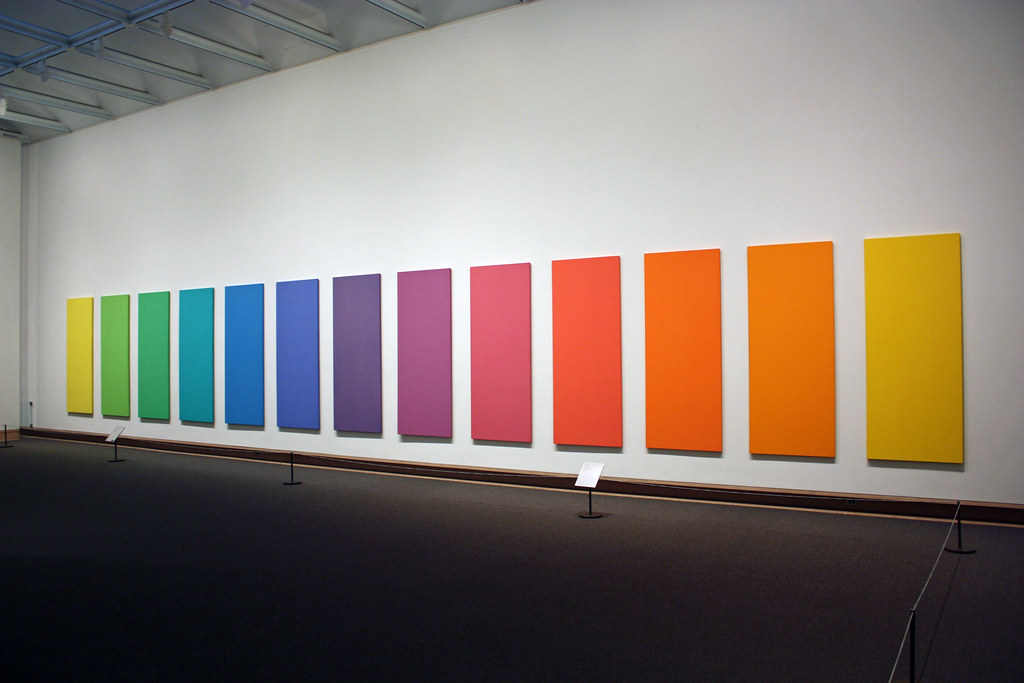
In the words of renowned minimalist artist Ellsworth Kelly, “I think what we all want from art is a sense of fixity, a sense of opposing the chaos of daily living. This is an illusion, of course. My paintings are very far from chaos. They are very ordered.”

This art’s simplicity fits well in modern places. It doesn’t take over but works together with the room. This creates a peaceful feeling and a beautiful space for everyone.

Ellsworth Kelly, Spectrum V 

Creating a Focal Point

Minimalist art can become the main focus in a room. It could be a simple abstract painting or a clear sculpture. These pieces attract attention and become the heart of the space.

Placing these artworks carefully can direct people’s eyes. This highlights their beauty and adds to the room’s balance. It makes for a more interesting and beautiful space.

The Elegance of Minimalism

Minimalist art brings elegance and sophistication. Its simple and refined look improves modern spaces. Picking the right pieces adds an exclusive and luxurious feel to any room.

Integrating Minimalist Art: A Practical Example

Let’s look at a modern living room with minimalist art:

Furniture Color Palette Minimalist Art Pieces
Sleek and minimalist furniture with clean lines Neutral tones, such as whites, grays, and earthy hues A large abstract minimalist painting positioned above the sofa
Minimalist coffee table with a sleek design Accents of bold colors to create visual interest A series of minimalist sculptures displayed on a shelf

In this living room, the minimalist art stands out. It adds an artistic touch and color to the simple palette. The mix feels elegant and sophisticated, inviting a modern and peaceful vibe.

By adding minimalist art to your space, you can make it beautiful and serene. The simple and pure look of this art is perfect for those who want minimalism without losing charm.

Conclusion

Donald Judd, Box

We’ve looked at the world of minimalism art. It’s clear that it has a big effect on making calm, beautiful spaces. This art movement helps us feel calm and modern in our homes.

Minimalism values simplicity and removing what’s not needed. It shows us how open spaces and simple shapes can be beautiful. By picking out minimalist art, we turn our spaces into places that spark thought and feeling.

Add simple art to today’s spaces and they become peaceful getaways. Abstract or design pieces from the minimalist style both work. They nudge us to look at our feelings and enjoy life’s simple things.

FAQ

What is minimalism art?

Minimalism art is about keeping things simple. It focuses on basic elements and reducing them to their core. This style uses few colors, shapes, and lines for a soothing look.

What is the minimalist art movement?

The minimalist art movement started in the 1960s. It was a response to the complex and emotional abstract art. This movement uses simple forms, clean lines, and basic colors to show purity and objectivity.

How do minimalist art galleries embrace the minimalist aesthetic?

Minimalist art galleries are all about simplicity and beauty. They feature simple designs, neutral colors, and lots of space. Their goal is to provide a serene space for art appreciation.

What are the core concepts and philosophy behind minimalist art?

The key ideas in minimalist art are simplicity, reduction, and precision. Artists remove anything unnecessary to focus on the main idea. Their belief is that fewer distractions highlight a work’s true beauty.

What are some examples of minimalist art designs?

Minimalist art designs can be seen in various forms. For example, there are paintings with bold shapes, sculptures with minimal details, and digital art with basic patterns. These designs often bring a feel of balance and peace.

How do you curate minimalist art pieces?

Curating involves selecting artworks that are true to minimalism. You should pick pieces with simple lines, forms, and muted colors. It’s crucial to set them up in a way that feels balanced and harmonic.

How does minimalist art enhance contemporary spaces?

Minimalist art adds a touch of calm and modern style to spaces. Its simple design fits well with contemporary aesthetics. Such art makes places look beautiful and feel peaceful and elegant.

Add to cart