KAWS Art Phenomenon: Trends & Collectibles

KAWS Art Phenomenon: Trends & Collectibles

Kaws Companion Mono

Welcome to the world of KAWS, an artist who has changed art, pop culture, and collecting. His iconic sculptures are known everywhere. So, what makes KAWS so special ?

Key Takeaways:

  • KAWS, a renowned contemporary artist, has revolutionized the art world with his unique blend of pop art and street art.
  • His sculptures and collectibles, such as the beloved KAWS Companion, have gained global recognition and captivated art enthusiasts and pop culture fans alike.
  • KAWS’ collaborations with fashion brands, musicians, and animated franchises have propelled his art beyond the gallery walls, reaching new audiences.
  • His trendsetting exhibitions have drawn massive crowds and critical acclaim, showcasing his artistic progression and influence.
  • The value of KAWS’ art and collectibles has soared, with impressive auction records and a high demand for limited edition pieces.

The Rise of KAWS in the Art World

KAWS, also known as Brian Donnelly, began as a graffiti artist. He left his touch on city walls. Over time, KAWS evolved into a well-known modern artist whose work fascinates many.

“I never had a career plan or strategy; it was all just learning and doing.”

KAWS combines pop art and street art to make his own style. His creations are loved by people around the world. They challenge the idea of what is considered important in art.

KAWS has showcased his work in many places. He has been in small galleries and big museums. Everywhere, his art has made a significant mark.

He is celebrated for his amazing talent and influence in the art scene. KAWS’ detail and ability to touch hearts set him apart. He’s an important artist today.

Now, let’s look at KAWS’ sculptures and collectibles. These pieces are very much wanted by collectors and fans.

My Kaws collection

Exploring KAWS Sculptures and Collectibles

KAWS is well-known for his eye-catching sculptures and figures. His works, like the famous KAWS Companion, are loved by those who enjoy art and pop culture. KAWS also partners with brands like Uniqlo for special editions, expanding his reach.

The bold colors and unique style of KAWS’ sculptures grab attention. Each one has a special meaning, drawing us into KAWS’s imaginary world. KAWS pays close attention to every detail, making his art full of wonder and memories.

These works are not just for looking; they’re sought by collectors. They often sell for a lot of money at auctions. The limited numbers of these items make them even more desirable.

“KAWS has redefined the concept of collectible art, merging fine art with popular culture. His sculptures and figures have become coveted pieces that transcend traditional boundaries.”

Since his early days working with streetwear, KAWS has grown a lot. He now works with top fashion brands. His hard work introduces more people to his unique style and ideas.

Influential KAWS Collectibles

Collectible Description
KAWS Companion The iconic character that has become synonymous with KAWS’ art. The Companion figure comes in various forms, from sitting to standing, and has become a must-have for collectors.
KAWS BFF The BFF figure, with its colorful and playful design, represents the importance of friendship. This character has captivated audiences with its expressive eyes and relatable message.
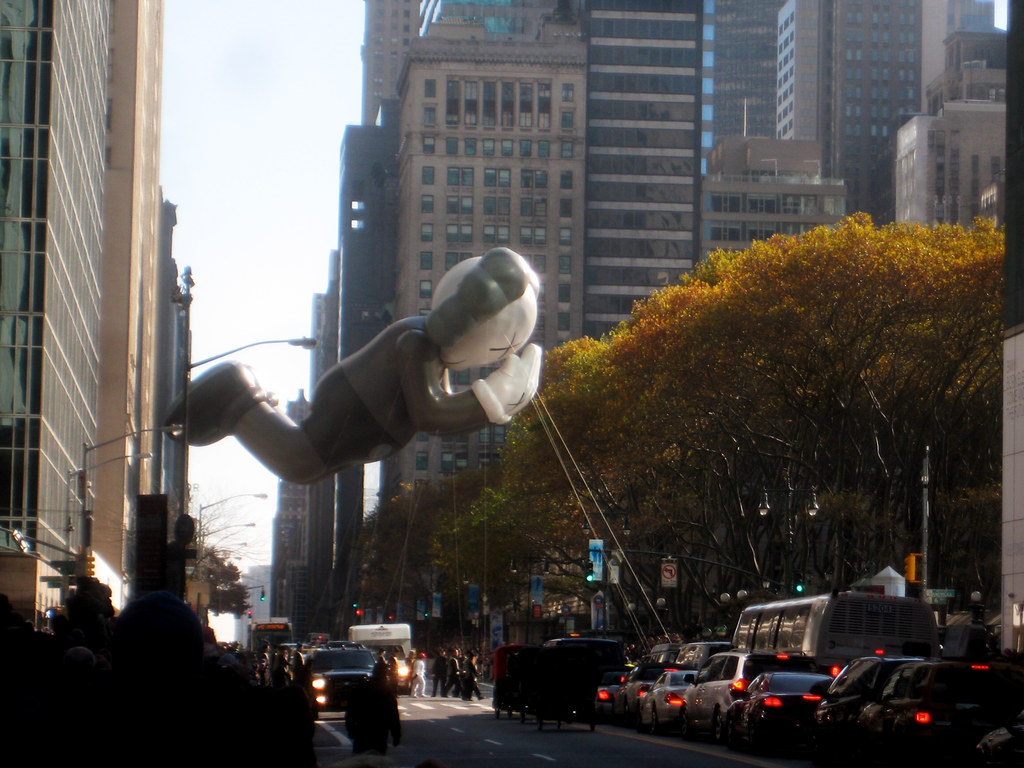
KAWS Holiday The KAWS Holiday series features large-scale sculptures that have toured different countries. These inflatable figures, often inspired by well-known cartoon characters, provide a playful twist on familiar icons.
KAWS x Uniqlo The collaboration between KAWS and Uniqlo has resulted in a range of affordable collectibles. From t-shirts to plush toys, these items have made KAWS’ art accessible to a wider audience.

KAWS Companion Macy’s Thanksgiving 2012 Parade NYC 5315

There are many KAWS items that fans love. Each one shows KAWS’ unique style and marks a step in his career.

KAWS has mixed art, design, and pop culture in exciting ways. His creations bring joy and appreciation to many. They are found in all kinds of places and are loved all over the world.

KAWS Collaborations: From Fashion to Music

KAWS is famous for his amazing team-ups that go beyond art’s usual limits. He brings his special creative eye to fashion and music. His work has really changed how people see art and culture. Now, his impact is felt everywhere.

One big collab KAWS did was with Uniqlo, the big name in fashion. His cool style and fun characters made a hit with Uniqlo’s fans. Together, they made clothes that everyone loved. People from the art and fashion worlds all wanted a piece of it.

“The KAWS x Uniqlo collab shows KAWS’ art in a different light. It lets fans wear his famous characters on cool clothes. This teamwork really brought KAWS’ art to people all over the globe.” – [Insert Name], Fashion Critic

KAWS also joined forces with musicians. They worked on cool album covers and stages. Big names like Pharrell Williams and Kanye West have teamed up with him. This has made KAWS a key figure in the mix of art and music.

Take his work with Kanye West’s “808s & Heartbreak” album. KAWS’ art added something special to the music’s feeling. The album cover quickly became a symbol. It touched both music and art fans deeply.

KAWS’ work has even touched animated classics like “Sesame Street.” With this project, he put his spin on famous characters. He made Elmo and Cookie Monster look brand-new and fun.

KAWS’ collabs are not just about making his art well-known. They’ve let him speak to new groups who might not know much about art. Through these different projects, he’s started conversations. He’s made memorable moments in popular culture.

808’s & Heartbreaks Ltd. Edition cover by Kaws

Notable KAWS Collaborations

Collaboration Description
KAWS x Uniqlo A successful clothes line that made KAWS’ art easy to love through fashion.
KAWS x Kanye West This included album covers and stage designs that mixed KAWS’ art with popular music.
KAWS x Sesame Street He gave classic “Sesame Street” characters a new look, adding a modern twist to old favorites.

Trendsetting KAWS Exhibitions

KAWS’ shows are now a special part of the art scene. They draw in a lot of people and win a lot of praise. These shows happen both in galleries and in big museums. They show how his art has grown and how important it is.

In 2019, he had a big show in Detroit called “KAWS: Companionship in the Age of Loneliness”. It talked about being alone, buying things, and the internet’s role in our lives. KAWS brought his special characters to life, making a show that was both striking and meaningful.

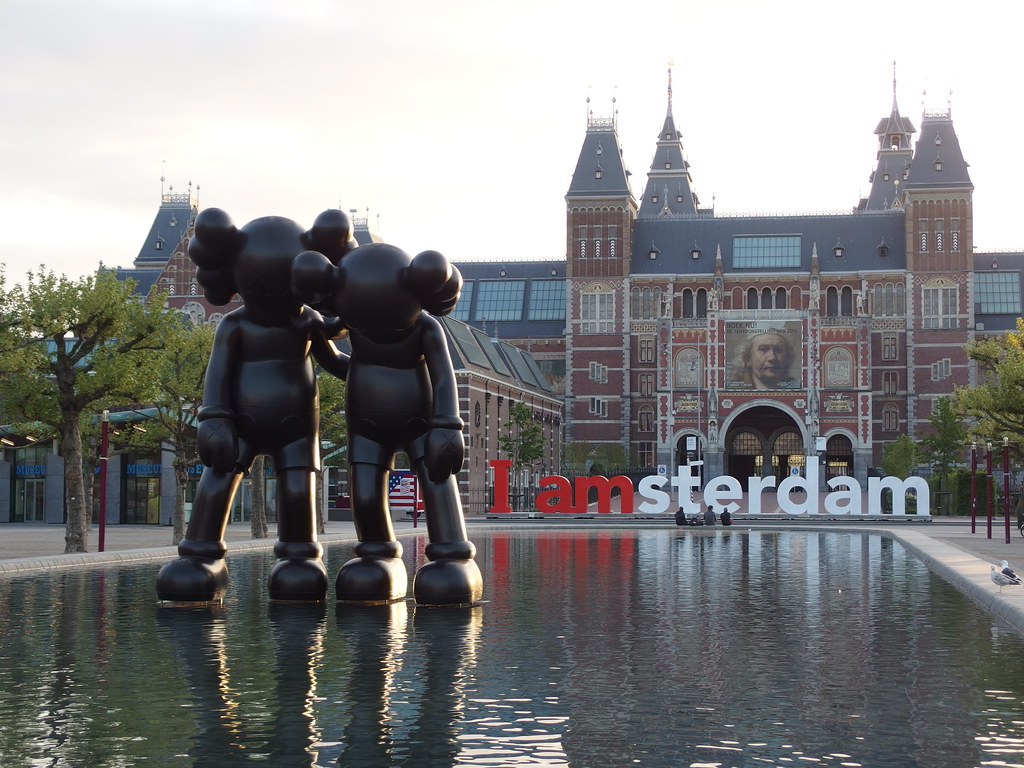
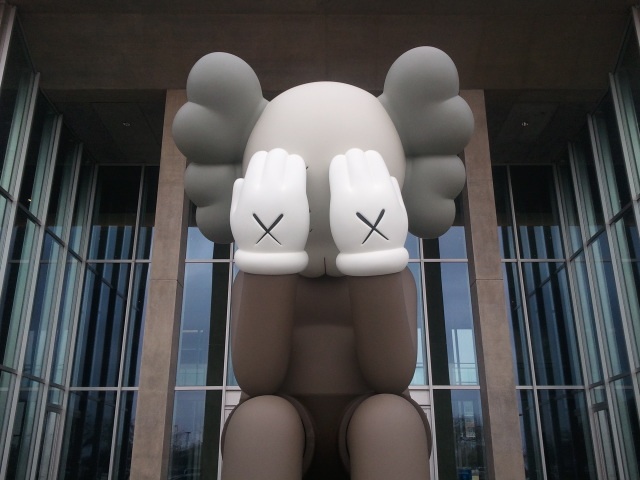
In Atlanta, at the High Museum of Art, another show stood out. In 2020, “KAWS Along the Way” had a huge sculpture of his Companion, lying down. It made people think about how we connect with others each day. The sculpture was made for people to touch and take photos with.

“KAWS pushes art in new directions and into our hearts. He mixes pop culture, street art, and modern art in a special way. Each show is made carefully to leave a deep memory in the visitors’ minds.”
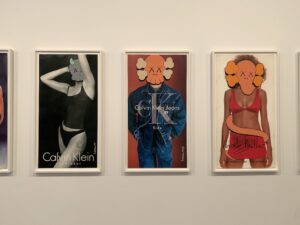
KAWS exhibition

Upcoming Exhibition: KAWS: He Eats Alone

People are really excited for the 2022 show at the Brooklyn Museum. This show will look at KAWS’ art from when he started until now. It will include his sculptures, paintings, and more. The event will show how his art has changed over time.

At the show, we will learn more about what inspires KAWS and his art’s impact. We will see new pieces and old favorites. “KAWS: He Eats Alone” will teach us about his journey as an artist and his big role in art today.

Make sure not to miss the chance to see KAWS’ new and exciting shows. Keep an eye out for details on new shows. Get ready to explore the amazing world of this incredible artist.

Exhibition Year Location
“KAWS: Companionship in the Age of Loneliness” 2019 Museum of Contemporary Art Detroit
“KAWS Along the Way” 2020 High Museum of Art, Atlanta
“KAWS: He Eats Alone” (upcoming) 2022 Brooklyn Museum, New York City

KAWS ‘Along the Way’ statue

The Global Impact of KAWS

KAWS is a global artist known worldwide for his creativity. He brings people together with his art. His work has deep meaning and inspires many artists.

Influence and Inspiration

Many people are fascinated by KAWS’ art. He mixes pop culture with his unique style. This makes his art connect with everyone. KAWS makes us question what art means, and he talks about identity and culture.

“KAWS’ art has the ability to connect with me on a deeper level. It’s not just visually appealing; it speaks to the emotions and experiences we all share as human beings.” – Art enthusiast

International Recognition

KAWS’ work is seen and loved worldwide. It has been in big galleries from New York to Tokyo. More people get to see his art, and this makes them understand his vision.

The Power of Collaboration

Working with big companies has helped KAWS reach more people. His designs for Uniqlo sold out fast. This shows how many people around the world love his art.

Community and Connection

He uses social media to bring his fans together. This makes his art easy to see and enjoy for everyone. KAWS has connected people from all over the world through his art.

KAWS Star Wars Companions

Art as a Catalyst for Change

KAWS’ art can make us rethink big ideas. It talks about society and culture in a new way. He inspires others to make art that matters.

Key Takeaways:
KAWS has gained international recognition for his unique blend of pop culture, street art, and contemporary aesthetics.
His art resonates with individuals from diverse cultural backgrounds, making him a global phenomenon.
Collaborations have played a vital role in expanding his reach and bringing his art to new audiences.
KAWS’ powerful artwork sparks conversations, challenges societal norms, and inspires a new generation of artists.

The Value of KAWS Art and Collectibles

KAWS’ art and collectibles are now more in demand than ever. This is because they mix pop culture, street art, and modern beauty. People all over the world love what KAWS creates.

The Market for KAWS Artwork

KAWS’ art is making big money at top auctions. His pieces can sell for millions. This shows how much people value his work.

Owning a KAWS piece is seen as a smart choice. It shows the artist’s skill and it can grow in value. Since there are only a few, people want them more and more.

“KAWS is a game-changer in the art world. His ability to seamlessly fuse popular culture, contemporary art, and collectibles has catapulted him into a league of his own.” – Art Collector Magazine

The Hype Surrounding KAWS Collectibles

KAWS’ collectibles are very popular, especially his Companion figures. They are hard to get and sell out quickly. This is because KAWS has many devoted fans.

Social media and influencers have made KAWS collectibles even more popular. Showing them online makes them seem more special. This adds to their worth.

Record-Breaking Auction Sales of KAWS Artwork

Artwork Sale Price Auction House Date
The KAWS Album $14.8 million Sotheby’s March 2021
Kawsbob $14.7 million Christie’s May 2020
The KAWS Album (Yellow) $12.7 million Phillips February 2021

Recent auctions have seen KAWS artwork reach high prices. With more people wanting his art, the prices are sure to go up.

In the end, KAWS art and collectibles are more than pretty things. They are wise investments and a part of today’s art world. With few available and a growing want, KAWS’ works are treasures.

Conclusion

KAWS

In conclusion, KAWS has changed the art scene with his mix of pop culture and art. His work, like sculptures, has amazed people everywhere. His collectibles are now very sought after.

KAWS mixes art and pop culture perfectly, making him a leader in breaking art’s old rules. His influence goes beyond just artists, getting everyone talking about art and culture together.

As KAWS keeps growing as an artist, his impact will keep getting bigger. He knows how to speak to anyone with his art. This shows his true skill and the big vision he has.

FAQ

What is KAWS art?

KAWS art is the style and work of artist Brian Donnelly. He mixes pop art with street art. This mix shows in his sculptures, paintings, and items that are famous worldwide.

Who is KAWS?

KAWS is the artist name for Brian Donnelly. He first painted on walls as a graffiti artist. Now, he is a top artist in today’s art world.

What are KAWS sculptures?

KAWS sculptures are works by Brian Donnelly. They show his unique characters, like the KAWS Companion. People love to collect these special art pieces.

What is a KAWS Companion?

The KAWS Companion is a figure with Xs for eyes. Brian Donnelly made it and it’s very famous. Many people love this creation.

What is a KAWS figure?

A KAWS figure is a toy or sculpture by Brian Donnelly. It might show the KAWS Companion. These art pieces are wanted by many art fans and collectors.

What is a KAWS exhibition?

It’s a show that displays Brian Donnelly’s artwork. You can see his sculptures, paintings, and more. These shows let you see how his art has changed over time.

What are some notable KAWS collaborations?

KAWS has worked with fashion brands like Uniqlo and people like Pharrell Williams. Together, they created special clothes and album covers. These items show KAWS’ art in a new way.

What is the value of KAWS art and collectibles?

KAWS’ art and collectibles have become very valuable. As he has become more popular, his works fetch high prices at auctions. People clamor for his special items, leading to high prices.

What is the global impact of KAWS?

KAWS is known all over the world. His art speaks to many people. It has also sparked new discussions about art and pop culture. KAWS has inspired a new wave of artists and changed the art world internationally.
Impressionist Artists You Should Know

Impressionist Artists You Should Know

Impressionist artists changed the art world with their bold techniques. They broke free from old rules to create a new way of painting. This new approach was all about showing life as it is, focusing on light, color, and everyday moments.

This shift laid the foundation for exploring artists who led this movement. Their influence is still felt in art and culture today.

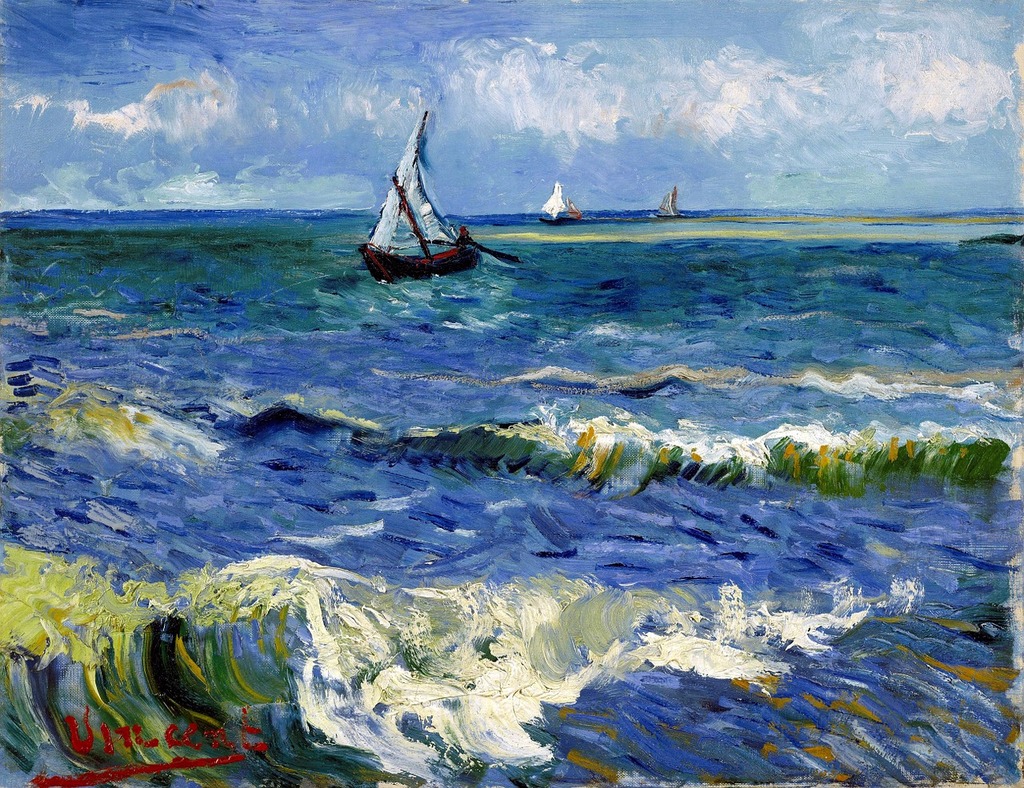
A painting of a Sailboat in the Ocean

Key Takeaways

  • Impressionist painting broke away from academic art traditions.
  • Famous artists like Claude Monet and Pierre-Auguste Renoir led the movement.
  • Emphasis on light and color was a hallmark of their techniques.
  • Impressionism continues to influence modern art.
  • This style remains beloved and relevant in contemporary art discussions.

Claude Monet: Father of Impressionism

Claude Monet is a key figure among Impressionist Artists You Should Know. He’s known for changing the painting world. His path, from Paris to Giverny, is very interesting.

Monet’s Early Life and Influences

Born in Paris, Monet loved watching how light played over nature. With help from Eugène Boudin, he learned to see and paint the world differently. Even his time in the military shaped his art, showing him new landscapes.

Signature Works of Claude Monet

In 1872, Monet painted Impression, Sunrise. This painting became the name of the whole Impressionist art movement. It showed his unique style with quick brushstrokes and a dreamy feel.

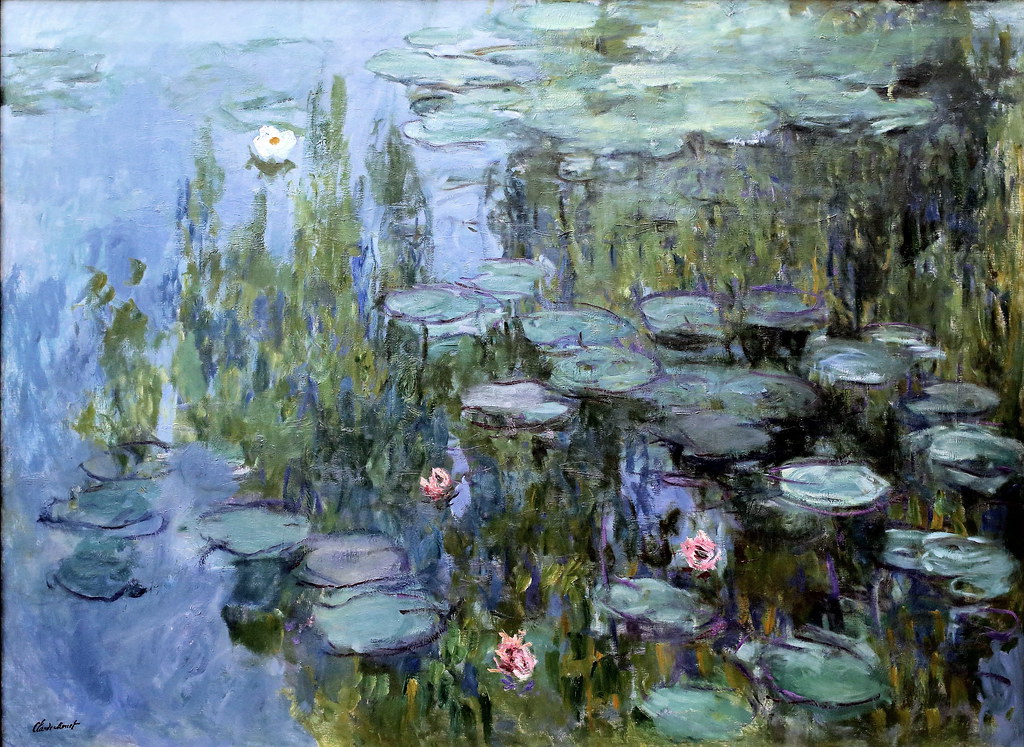
One of his famous works is the Water Lilies series. Over more than 30 years, he painted his garden in Giverny. These paintings show his skill with light and how he saw natural beauty.

Claude Monet, 1840-1924

Monet’s Legacy in Modern Art

Monet’s influence on art is huge. His work inspired many artists and opened new ways to paint. Even today, artists follow his ideas and techniques.

His legacy is ongoing, with shows of his Water Lilies attracting a lot of people. By painting nature in a new way, Monet changed art for the future.

Work Year Significance
Impression, Sunrise 1872 Started the Impressionist movement, emphasizing light and emotion.
Water Lilies 1899-1926 A series capturing the ephemeral beauty of nature, showcasing Monet’s mastery of light.
Woman with a Parasol 1875 Illustrates the use of quick brushstrokes and the capture of momentary effects of light.

Pierre-Auguste Renoir: The Celebration of Beauty

Pierre-Auguste Renoir was a key figure in the art world. He’s known for his work in the Impressionist style. His art is loved for bright colors and light. It often shows happy scenes of daily life. His paintings continue to charm viewers, making him an artist you should know.

Renoir’s Early Career and Influences

Born in 1841, Renoir started his art in Paris’s lively areas. He was influenced by Eugène Delacroix and French art. At first, he faced money troubles. But, he kept going and joined Charles Gleyre’s studio. There, he met other soon-to-be-famous artists like Monet and Sisley. These connections greatly helped his art and the start of Impressionism.

Notable Works by Pierre-Auguste Renoir

Renoir’s art is full of powerful use of light and color. The Luncheon of the Boating Party is one famous piece. It shows a fun moment in Paris with bright, lively colors. Another important work is Dance at Le Moulin de la Galette. It captures a lively dance scene in Montmartre. These pieces show his love for showing beauty in daily life. This is key in Impressionism.

Pierre-Auguste Renoir, Dance at the Moulin de la Galette
Renoir’s Impact on Impressionism

Renoir made a big mark on Impressionism and French art. His handling of light and commitment to showing life made him stand out. As a top artist you should know, Renoir celebrated beauty in his paintings. He also motivated other artists to try new things in their art. Even today, his art inspires both new artists and those who love art.

Edgar Degas: Master of Movement

Edgar Degas is seen as a top figure in the world of Impressionist Artists You Should Know. He’s known for showing how people move with beauty and ease. Unlike other artists of his time, he focused on Parisian life. He captured its lively, quick moments.

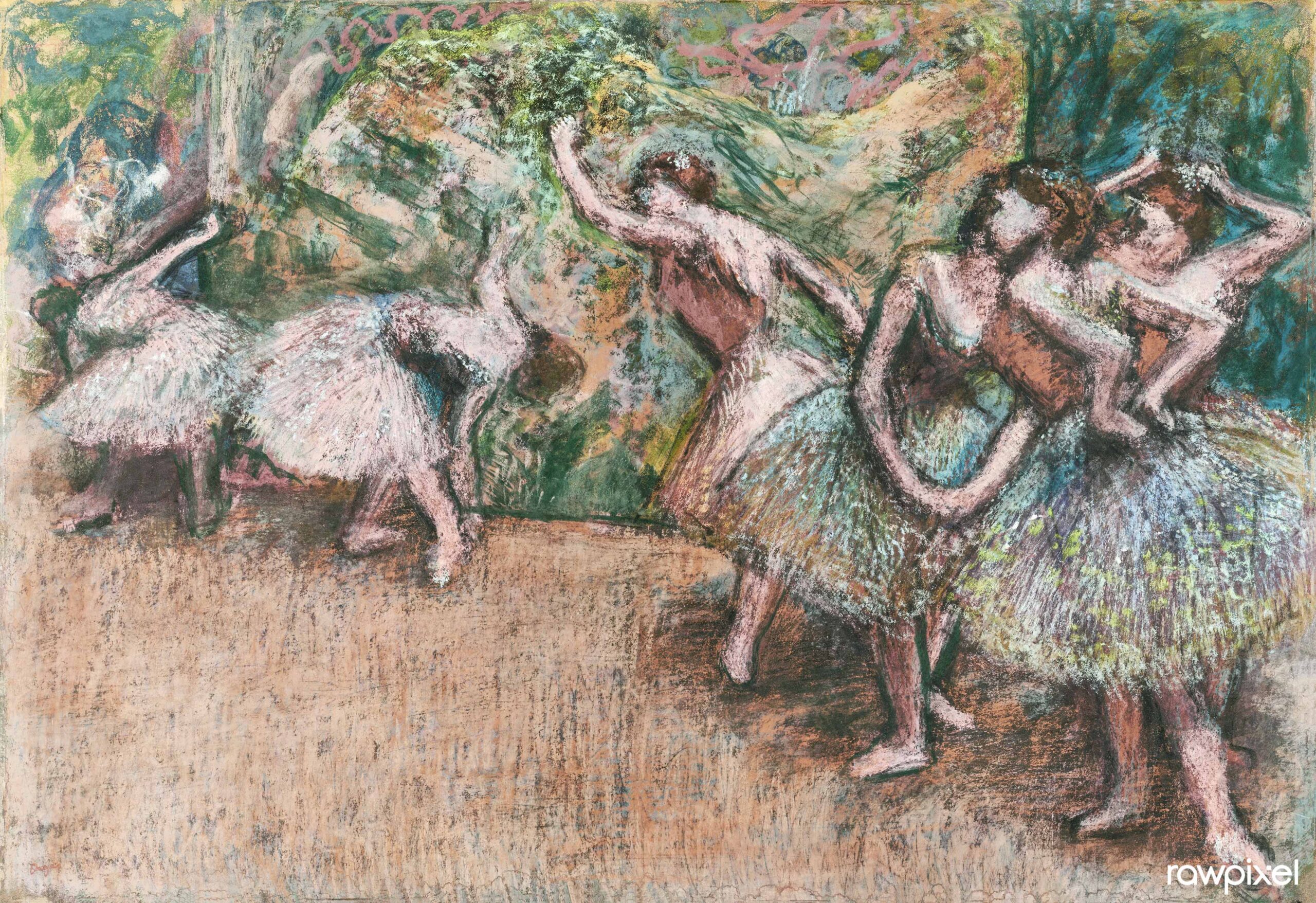
The way Degas paints ballet scenes is truly special. His works don’t just show dancers. They reveal the hard work and skill that lies behind each elegant moment on stage. Degas shows dancers in rehearsals or stretching, showing every move with care. This gives us a real look into their world.

Degas changed art by the way he put his paintings together. He closely watched how people stood and moved. This helped his art to look real and full of life. His work connects classic themes with new ways of seeing city life.

Even though ballet was his main focus, Edgar Degas also painted other parts of Parisian life. You can see cafes, horse races, and busy streets in his art. Every scene feels alive and true to everyday life. This skill made him a key player in the Impressionist movement.

Theme Common Subjects Distinctive Features
Ballet Dancers rehearsing, performing, backstage Fluid movement, dynamic compositions
Parisian Life Cafes, streets, horse races Urban ambiance, immediacy

Ballet Scene (ca. 1907)

Camille Pissarro: The People’s Painter

Camille Pissarro is a well-known Impressionist for his focus on rural life. He deeply cared about painting scenes of peasants working and living. With his art, he showed the beauty and hard work of rural communities. This earned him the title of the people’s painter.

Pissarro’s Unique Style and Subjects

Pissarro’s paintings show both detailed nature and the energy of light and movement. He loved painting rural settings where peasants worked and rested. This made his art unique and loved because it told real, honest stories.

Influential Works by Camille Pissarro

Pissarro painted many famous works, focusing on rural and peasant life. For example, ‘The Côte des Bœufs at L’Hermitage’ is a prime example. These paintings show more than just skill; they tell stories and share the artist’s beliefs about equality.

Pissarro’s Role in the Impressionist Movement

Camille Pissarro wasn’t just a great artist; he was key to the Impressionist movement’s success. He guided younger artists and took part in important exhibits. His paintings of rural life and peasants are still admired today. They show the movement’s true spirit and continue to inspire.

Influential Works Year Style and Subject
The Côte des Bœufs at L’Hermitage 1877 Rural scenes, depiction of peasants
Two Women Chatting by the Sea, St. Thomas 1856 Portrait, rural background
Peasants in the Fields, Éragny 1890 Peasant labor in rural settings

Édouard Manet: Bridging Realism and Impressionism

Édouard Manet is key in blending realism with an exciting Impressionist vision. His famous works like Olympia and Luncheon on the Grass show a unique approach. This sets him apart from others in the Impressionist movement.

Manet was known for bold and sometimes shocking art. This made him an early and key player in Impressionism. His piece Olympia was both praised and critiqued. It revealed his talent in depicting the modern world and its people.

“You would hardly believe how difficult it is to place something fundamentally new in everyday terms in art.” – Édouard Manet

Manet shaped the world of art deeply, connecting with great artists like Claude Monet and Edgar Degas. This connection helped spread new ideas that changed modern painting.

Édouard Manet Claude Monet Impact
Olympia Impression, Sunrise Shift from Realism to Impressionism
Luncheon on the Grass Water Lilies Fusion of Traditional and Modernist Styles
Controversial Themes Nature and Light Influential Relationships
Pioneer of Modernist Painting Father of Impressionism Impact on Contemporary Art

Exploring Manet’s art and choices shows his unique place in the art world. His work has left a big mark on modern art and the Impressionist movement. He is definitely an artist to know about.

Edouard Manet – The Swallows [1873]

Mary Cassatt: The American Impressionist

Mary Cassatt was an American painter who made her mark on the Impressionist movement. She was born in Pennsylvania but found her artistic home in Europe. There, she joined the Impressionists, a prestigious group. Her art, especially her focus on women, gives us important views of her time.

The Life and Times of Mary Cassatt

From early on, Cassatt loved learning and art. She went to the Pennsylvania Academy of the Fine Arts before moving to Paris. There, she overcame challenges to become a respected artist.

Her friendship with Edgar Degas was important. It helped her join the Impressionists and exhibit with them starting in 1879.

Key Works by Mary Cassatt

The Child’s Bath (1893) is one of Cassatt’s most famous works. It shows a mother and child in a quiet, loving moment. Another painting, Little Girl in a Blue Armchair (1878), shows her skill in capturing emotions and poses.

These paintings highlight why Cassatt is a key figure in art history.

Mary Cassatt’s Influence on Women in Art

Cassatt’s work was more than beautiful — it inspired many women artists. She painted the everyday lives of women and children, giving a unique perspective. As an influential American Impressionist, she helped future female artists find their voice.

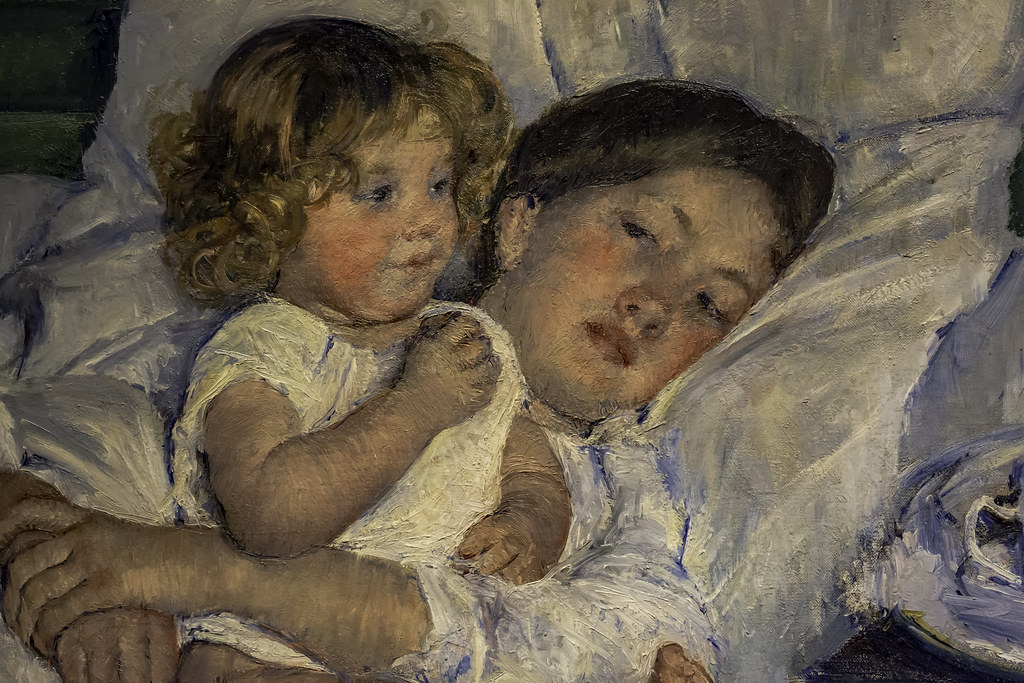
Breakfast in Bed by Mary Cassatt, 1844-1926

Berthe Morisot: A Leading Female Impressionist

Berthe Morisot was a key figure among female Impressionists in a mainly male art world. She was famous for showing the lives of Parisian artists in a captivating light. Unlike her male peers, Morisot focused on the quiet moments of women and children. This highlighted the beauty in everyday life.

Morisot faced many challenges to succeed, given that few women were recognized in art. But her unmatched skill and drive led her to become a top name in the Impressionist Artists You Should Know. Her art portrayed the norms of French society and a yearning for freedom. This mix of themes brought a fresh perspective to Impressionism.

Morisot tackled issues like societal expectations while she evolved her art. For example, in “The Cradle,” she used simple strokes and light to express deep feelings. These unique choices cemented her place among the best female Impressionists. Her work is a timeless record of life in 19th-century Paris. It still captivates Parisian artists and art lovers around the globe.

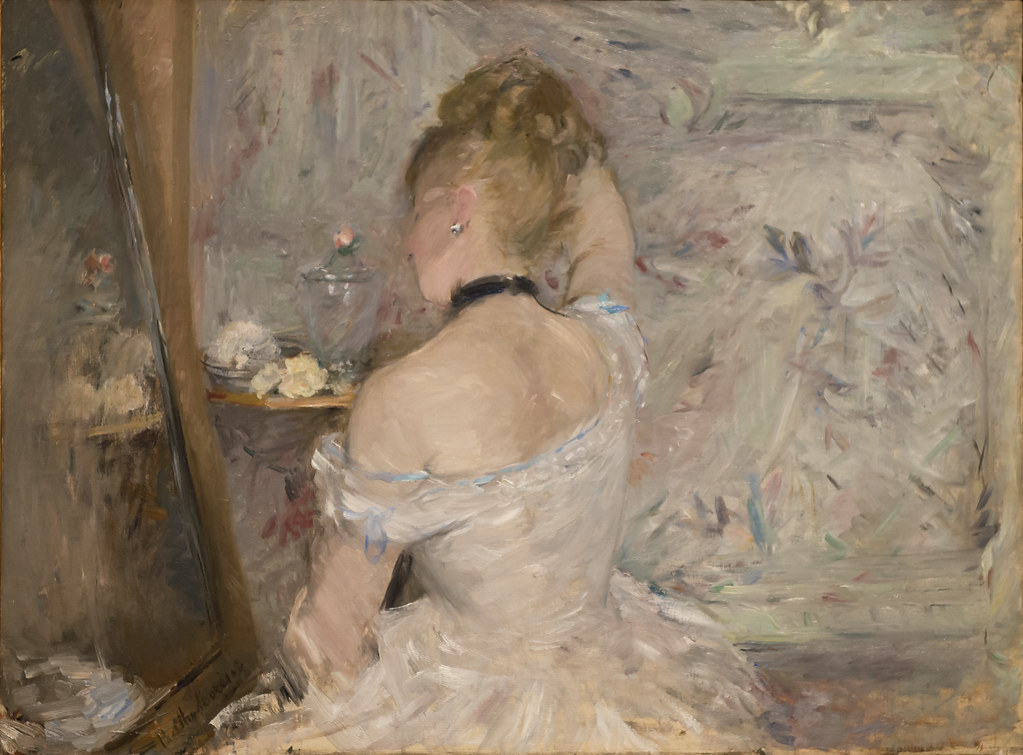
“Woman at her Toilette” by Berthe Morisot

Impressionist Artists You Should Know: A Comprehensive Overview

Exploring Impressionism’s history and impact is key. Our journey shows how it started a new chapter in art. This movement began in the late 19th century, breaking free from old styles. Learn how these artists brought something new to the world of art.

The Evolution of Impressionism

In the 1860s, Impressionism was born in France. It was a response to strict rules in the art world. Artists like Monet, Renoir, and Degas chose a more natural way to paint. They used quick brushstrokes to show movement and the effects of light. Their art focused on everyday life, making it relatable and fresh.

Key Characteristics of Impressionist Art

Impressionist art is known for its nature and light themes. The artists worked outside to capture real light effects. They used bold colors and fast brushstrokes. This made their art look alive and full of movement. They painted scenes from daily life, which was a novel idea back then.

Lasting Impact of Impressionism on Modern Art

Impressionism didn’t stop at its time. It inspired many other art forms after, like Fauvism and abstract art. By rejecting old ways, Impressionism started a new era in art. Its bold use of color and light still influences artists today. This shows how powerful its ideas were and continue to be.

FAQ

What is Impressionism and how did it revolutionize art?

Impressionism began in France in the late 19th century. It’s all about light and how it changes, with a special focus on motion. Artists used new techniques, like visible brushwork and choosing regular life as their subject. This new approach was led by famous artists such as Claude Monet and Pierre-Auguste Renoir.

Why is Claude Monet considered the father of Impressionism?

Claude Monet changed how artists could paint with light and color. His painting ‘Impression, Sunrise’ not only named the movement but also showed its vision. Monet loved painting outdoors, which inspired many to do the same.

What are some of Claude Monet’s most famous works?

Monet’s top works include ‘Impression, Sunrise,’ the ‘Water Lilies,’ ‘Haystacks,’ and ‘Rouen Cathedral’ series. These paintings show his incredible skill at capturing light and atmosphere changes.

How did Pierre-Auguste Renoir contribute to the Impressionist movement?

Pierre-Auguste Renoir focused on bringing everyday beauty to his paintings using bright colors. His famous works ‘Luncheon of the Boating Party’ and ‘Dance at Le Moulin de la Galette’ show lively gatherings and scenes. Renoir filled his paintings with joy and color.

What makes Edgar Degas unique among Impressionist artists?

Edgar Degas was unique for showing human movement, often featuring dancers and urban scenes. His work on ballet, like ‘The Dance Class,’ stands out. Degas used unusual angles to illustrate real-life scenes. His style greatly influenced modern art.

Who was Camille Pissarro and what subjects did he focus on?

Known as the “People’s Painter,” Camille Pissarro highlighted rural and urban life in his art. He often chose peasants and workers as his subjects. One of his famous works, ‘The Côte des Bœufs at L’Hermitage,’ shows his love for everyday scenes. He was also a mentor to other Impressionist artists.

How did Édouard Manet bridge the gap between Realism and Impressionism?

Édouard Manet mixed real-life scenes with modern ideas, influencing both Realism and Impressionism. His works, like ‘Olympia,’ challenged traditional art. This showed the way for future artists to try new approaches.

What is Mary Cassatt known for in the context of Impressionism?

Mary Cassatt showed daily life, especially of women and children. She was a crucial American artist in the French Impressionist scene. Her work, such as ‘The Child’s Bath,’ brought a personal view on women’s ordinary moments. She also furthered women’s roles in art.

What contributions did Berthe Morisot make to the Impressionist movement?

Berthe Morisot was a leading female artist in Impressionism, painting family life and women’s worlds. She broke barriers and offered a woman’s perspective in her work. Morisot’s unique vision helped open doors for women artists to come.

How did Impressionism influence the development of modern art?

The Impressionist movement changed art, focusing on personal views, light, and nature. It inspired artists to capture the moment and daily life in new ways. Later movements like Fauvism and Abstract Expressionism drew from Impressionism. Its impact on art remains strong today.

Pop Art Movements: A Colorful Cultural Dive

Pop Art Movements: A Colorful Cultural Dive

Welcome to a world where art meets popular culture in a colorful burst. In this piece, we explore pop art movements deeply. We cover its start, key characteristics, famous names, important works, and its effect on culture. Get ready to dive into a world full of expressive art. You’ll see how pop art has shaped our culture.

Andy Warhol – Campbel Soup Cans – Sotheby’s – About Pop Art 

Key Takeaways:

  • Pop art movements emerged as a reaction against the art world’s norms.
  • This art is known for its bold colors, use of popular culture images, and a sense of humor.
  • Artists like Andy Warhol and Roy Lichtenstein were key in making pop art popular.
  • Works like Warhol’s Campbell’s Soup Cans and Lichtenstein’s comic-like paintings are still celebrated.
  • Pop art changed advertising and fashion, and it shook up traditional art.

Defining Characteristics of Pop Art

Pop art is a movement with bright and bold styles. It has caught the eye of people all over the world. What makes pop art stand out is its unique features. These features make it a major influence in the art scene.

Bold Use of Color

Pop art is known for its vivid and brighter-than-life colors. Artists used bright colors to make their work pop. They used shades from the whole rainbow. This made their art really jump out at you.

Incorporation of Popular Culture Imagery

Pop art takes inspiration from our everyday lives and what’s popular. It uses familiar symbols and images from ads, movies, and more. By making everyday items into art, pop art changed how people saw ‘art’.

Celebration of Mass Production

Pop art celebrates the countless items produced by factories. Artists used these items in their work. This showed the world the growing importance of mass production and buying.

Irony and Satire

Pop art also jokes about society and how we view culture. Artists were witty in their work. They made us think about the funny or odd parts of daily life. This pushed people to think deeper about the media we see and what culture values.

“Pop art is about liking things.”
– Andy Warhol

Pop art changed art forever. It kept its strong colors, images from everyday life, and humor. This makes pop art still popular and loved today.

Key Figures in Pop Art

The world of pop art is filled with influential people. They shaped the movement and broke old rules. Their creativity showed the spirit of their era in lively colors and bold designs.

Andy Warhol

Andy Warhol stands out in pop art history. He mixed art with commercial ideas, making it hard to tell them apart. His works, like Campbell’s Soup Cans and Marilyn Diptych, make us think even now.

Roy Lichtenstein

Roy Lichtenstein, Kiss V (1964)

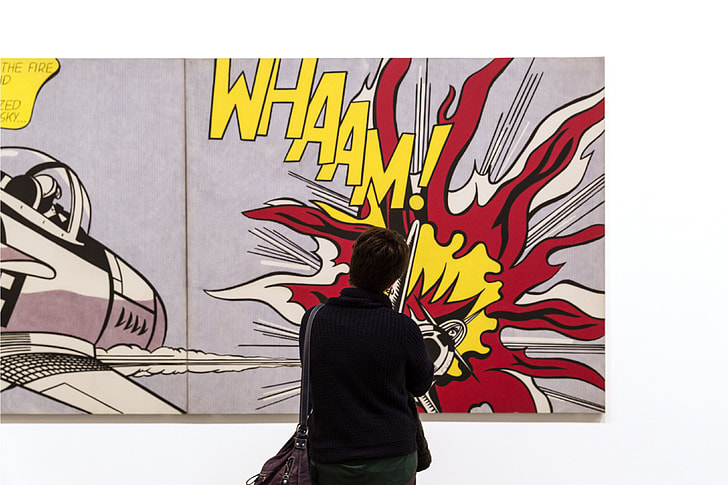
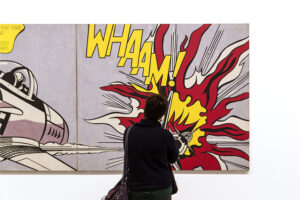
Roy Lichtenstein made art from comic books and ads. He used bold lines, vivid colors, and Ben-Day dots in his art. His paintings, like Whaam! and Drowning Girl, caught the eye with their look at popular culture.

Claes Oldenburg

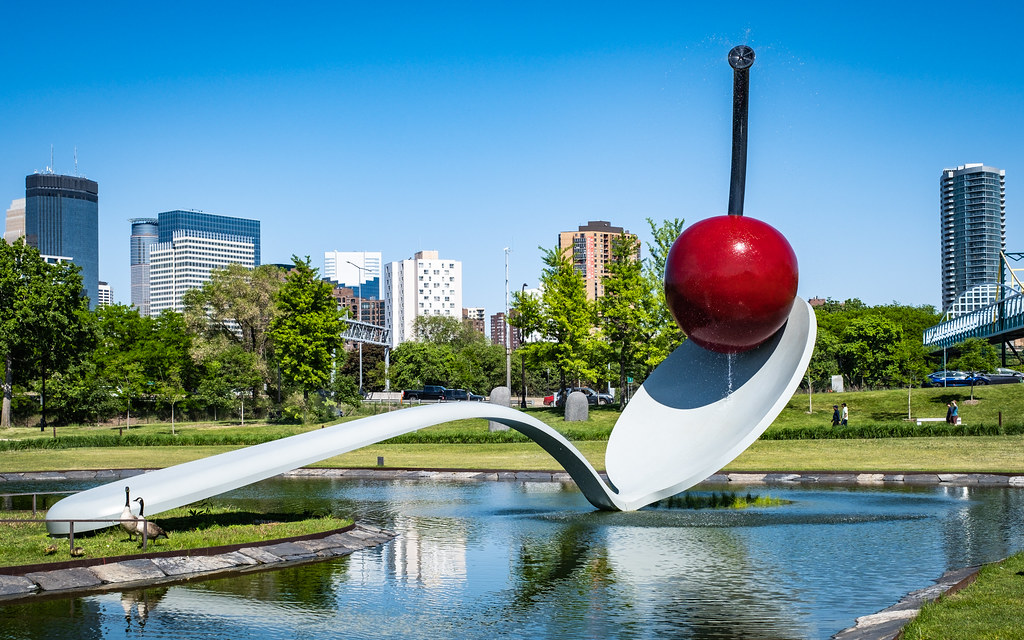
Claes Oldenburg made huge sculptures of everyday things. His playful pieces showed ordinary items in a new light. Works like the Giant Three-Way Plug and Clothespin turned heads and made people smile.

“Pop art looks into the world of advertising, mass-produced objects, and popular culture and turns them into the very subjects of art itself.” – Andy Warhol

The work of these artists, and many more, made pop art big. They all found new ways to show the world around us. Today, their ideas still speak to people everywhere.

Claes Oldenburg and Coosje van Bruggen, Spoonbridge and Cherry, 1988

Iconic Pop Art Pieces

Pop art has given us many iconic pieces that still amaze people today. They have made a big impact on the art world with their bold ideas and themes.

Andy Warhol’s “Campbell’s Soup Cans” from 1962 is a famous example. He painted 32 soup cans, each with a different label. This art challenged what people thought about art. Warhol showed that everyday things could be art. This made people think about shopping and popular culture.

Roy Lichtenstein’s art looked like comic books. His works, like “Whaam!” (1963), used bright colors and dots. They questioned what kind of art was important. His art showed that pictures from daily life were also meaningful.

Claes Oldenburg made a big plug in 1970. It was over ten feet tall. This huge plug made people smile. It made us think about what we see as important or funny in daily objects.

“Pop art looks out into the world. It doesn’t look like a painting of something, it looks like the thing itself.” – Roy Lichtenstein

Roy Lichtenstein – Red Barn I [1969]

Exploring the Significance

These famous pop art pieces do more than just show art. They change how we look at art and regular life. Artists like Warhol, Lichtenstein, and Oldenburg used things from everyday life in their work.

They made art that everyone could understand and enjoy. This helped join different kinds of art together. They made people think about buying things, making things, and pictures in the world.

Next, we will look at how pop art has affected culture. It has also changed things like ads and fashion, and what we think about old art traditions.

Pop Art Movement’s Cultural Impact

Pop art has deeply affected many parts of our society. It changed advertising and fashion. This movement made culture in big ways.

Pop art is known for going against old art traditions. It used everyday things in art, making it easier to understand for more people. This made art open to everyone and inspired different kinds of art.

“Pop art is about liking things” – Andy Warhol

In ads, pop art’s use of color and style stands out. It catches people’s eyes and feels modern. Many ads use pop art’s look to seem fresh and lively.

Pop art also shaped the fashion world. Its bright colors and bold shapes are on clothes and in fashion shows. It celebrates being different and standing out.

In the end, pop art has changed a lot. It challenged old ideas about art, changed ads, and influenced fashion. Today, it still affects our world, making a mark on art, culture, and how we see things.
A person looks at pop art by Roy Lichtenstein in an art gallery in London, England
The Cultural Impact of Pop Art: A Brief Overview

Area of Impact Description
Artistic Conventions Pop art challenged traditional art forms, making art more accessible and relatable to a wider audience.
Advertising Pop art’s vibrant colors, bold graphics, and popular culture references have influenced countless advertising campaigns.
Fashion The bold and playful nature of pop art has made its way into clothing, accessories, and runway presentations.

Development of Pop Art Movements

Pop art came alive in the 1950s and 1960s. It mixed different art styles with big cultural changes. This mix made art popular by using everyday items and famous faces. It still influences art today.

Origins and Early Waves of Pop Art

Back in the 1950s, artists in the UK and US first explored pop art. They loved the bright and easy-to-understand design of ads and products. They felt this should appear in art too.

The 1960s brought more fame to pop art. Artists like Andy Warhol and Roy Lichtenstein became stars. Their art, like Warhol’s soup cans and Lichtenstein’s comic-style paintings, showed off popular items and stories.

Evolution of Pop Art

During the 1960s, pop art grew and changed. New types of art and artists started doing their own pop art works. They added new styles and colors to the mix.

Drawing from everyday life gained interest in the late 1960s. Artists painted or drew scenes that looked real, almost like photos. This made people see ordinary things in a new light.

By the 1980s, pop art had mixed with other new art types. This made an even bigger range of pop art styles. Artists in this time, like Keith Haring and Banksy, added new ideas to pop art.

The Contemporary Pop Art Landscape

Today, pop art is still a big deal in the art world. Artists keep making use of popular things and themes in their work. This keeps pop art fresh and interesting for everyone.

Pop art makes us think about ads, media, and what’s popular. It also changes how we see art itself. People now see that art can come from anywhere and any time.

Key Waves of Pop Art Key Artists Notable Works
First Wave Andy Warhol Campbell’s Soup Cans, Marilyn Monroe portraits
  Roy Lichtenstein Comic book-inspired paintings
  Claes Oldenburg Monumental soft sculptures
Second Wave David Hockney Brightly colored, unconventional perspectives
Photorealism Chuck Close Detailed, hyperrealistic paintings
Contemporary Keith Haring Iconic, bold figures and symbols
  Banksy Socially and politically charged street art


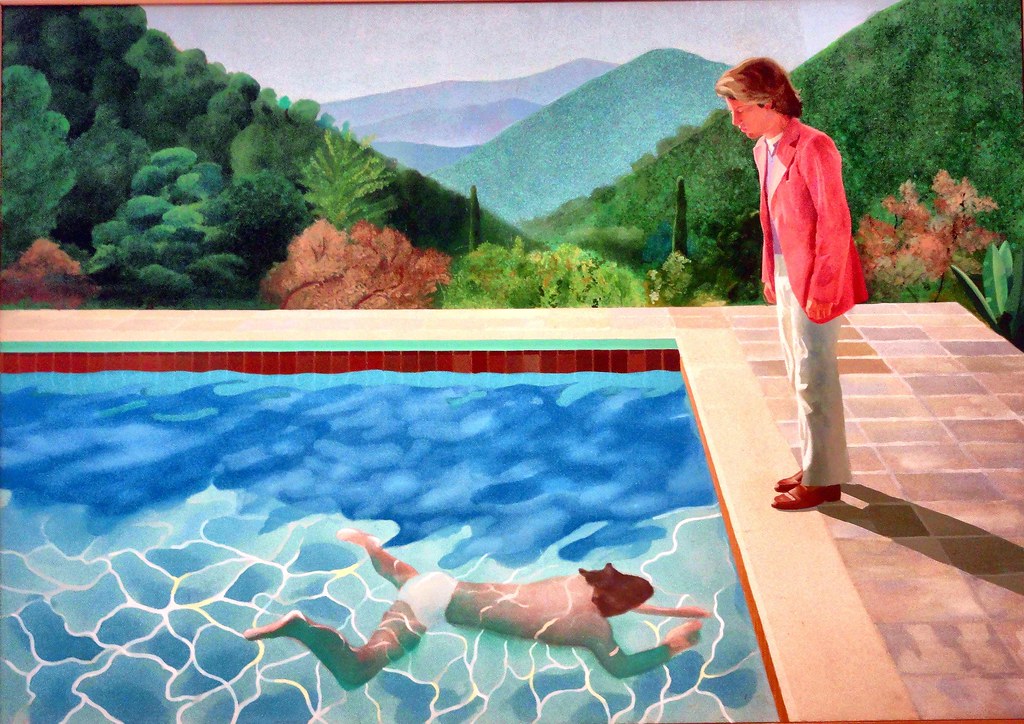
David Hockney,Portrait of an Artist ( Pool with Two Figures) 1972

Pop Art’s Enduring Legacy

Looking back at the pop art movements, we see it has lasting effects. It shapes today’s art and culture in many ways. You can notice pop art in paintings, sculptures, films, and fashion.

The Evolution of Pop Art

During the 1950s and 1960s, pop art was born. It responded to a world becoming more about ads and buying. At that time, artists began using things like ads, comic books, and common objects in their art. This change brought a fresh and daring feel to art that continues to catch our attention today.

This art style loves bright colors, big pictures, and weird materials. It showed the world that art doesn’t always have to follow the old rules. Pop art made room for new ways to be creative. Artists started trying things that hadn’t been done before.

Contemporary Art and Popular Culture

Even now, pop art is a big influence on art. Modern artists learn a lot from the pop art movement. They mix its ideas with their own to make art that makes us think and feel.

Pop art also really changed how we see culture and the things around us. The fun and bold ideas from pop art show up in ads, music, fashion, and more. The unforgettable pictures from pop art are like a special language that everyone understands.

The Significance of Pop Art

“Pop art is about liking things.”
– Andy Warhol

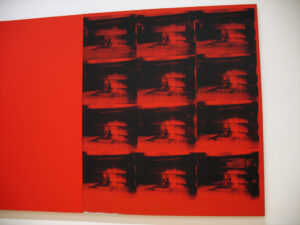
Red Disaster by Andy Warhol
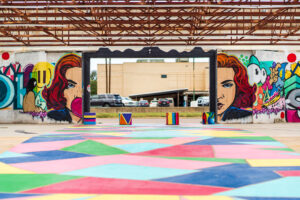
Pop artists made everyday things into art. They brought new excitement to the art world by doing this. Their work made people talk, think, and open their minds about what art can do.

Pop art also showed that art and the everyday world can mix well. Its influence goes far beyond galleries. It keeps inspiring new ways to be creative in many different fields.

Conclusion

This article took us on an exciting journey into pop art. We explored its history from the 1950s through today. We learned about its impact on our art and culture.

Andy Warhol, Roy Lichtenstein, and Claes Oldenburg stand out in pop art history. Their famous works like Warhol’s Campbell’s Soup Cans are still celebrated today. These pieces mark a key moment in art.

Pop art has influenced more than just painting. Its bold ideas are seen in ads, clothes, and our daily lives. By turning everyday things into art, pop art changed the game for artists.

Looking back, our dive into pop art was truly eye-opening. Its story shows us how art can break boundaries and stay relevant. The pop art movements have left a big mark, still guiding artists today.

Pop Art Museum | San Angelo

FAQ

What are pop art movements?

Pop art movements started in the mid-20th century. They used popular culture in their art. This made art more about everyday life and less about rare, one-of-a-kind pieces. It was a big change.

What is the history of pop art?

Pop art began in the 1950s and 1960s. It started in the UK and the US. Artists like Andy Warhol and Roy Lichtenstein made it famous. Pop art is still a big part of art and pop culture today.

What are the defining characteristics of pop art?

Pop art is known for bright colors and simple shapes. It uses things from everyday life and popular culture. It often shows humor and brings some fun to the art world.

Who are the key figures in pop art?

Andy Warhol and Roy Lichtenstein are big names in pop art. Jasper Johns and Robert Rauschenberg are important too. They all had a large role in making pop art what it is.

What are some iconic pop art pieces?

Classic pop art includes Andy Warhol’s “Campbell’s Soup Cans.” “Whaam!” by Roy Lichtenstein and Jasper Johns’ “Flag” are also famous. Claes Oldenburg’s “Giant Three-Way Plug” is another well-known piece.

What impact has pop art had on culture?

Pop art changed how we see art and the world around us. It influenced advertising, fashion, and design. By using everyday things, it showed us that art is everywhere.

How did pop art movements develop?

Pop art came about as a reaction to other art styles. Artists wanted to make art that everyone could enjoy. They turned to everyday items for inspiration.

What is the enduring legacy of pop art?

Pop art is still very important today. Many artists use its ideas in their work. Its influence can be seen in how we design and think about art and culture.

Add to cart